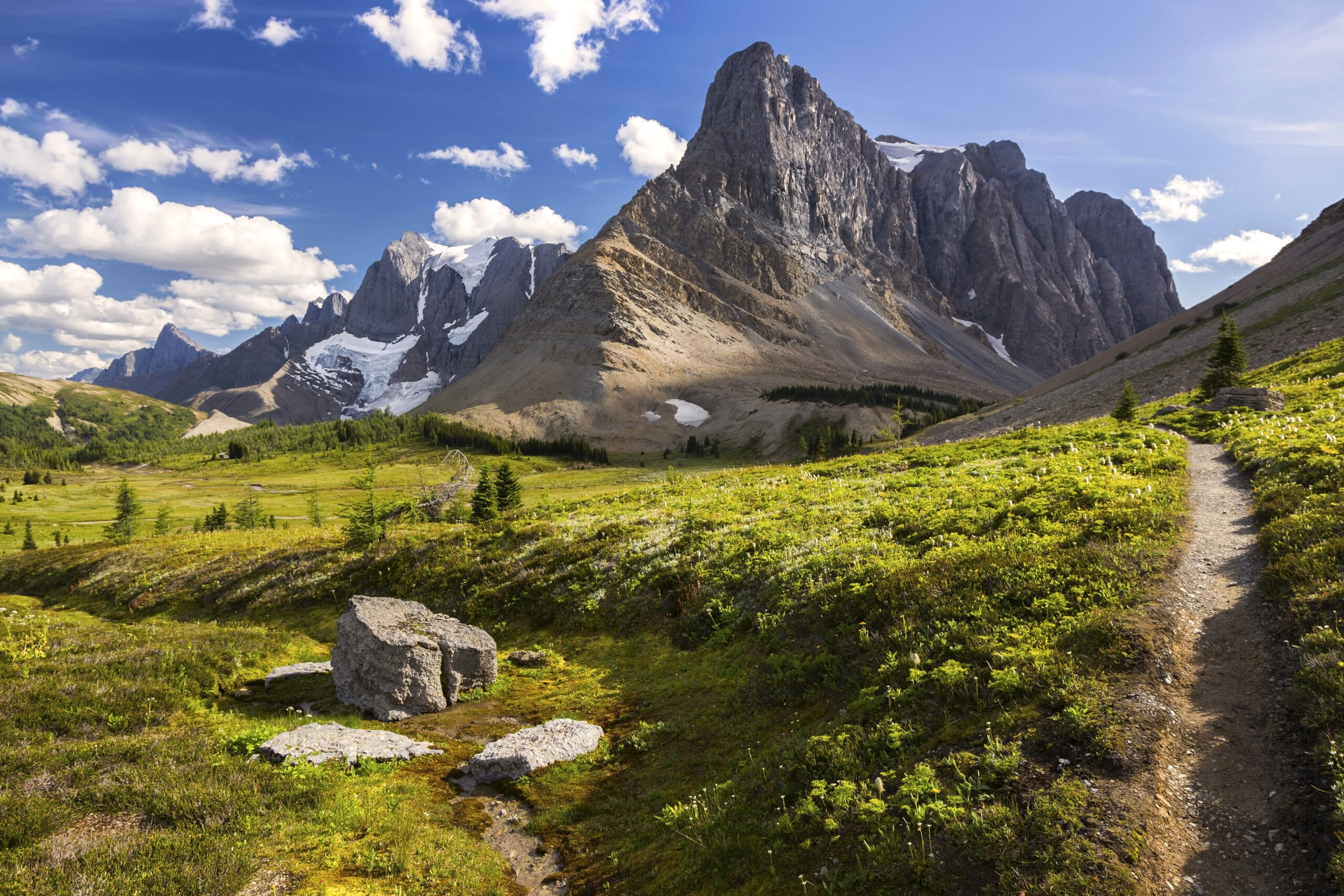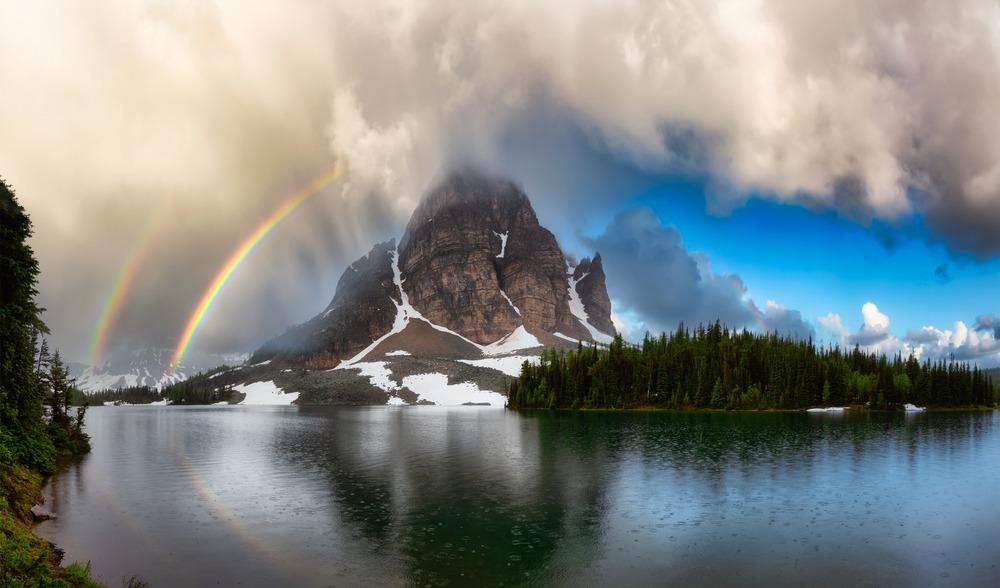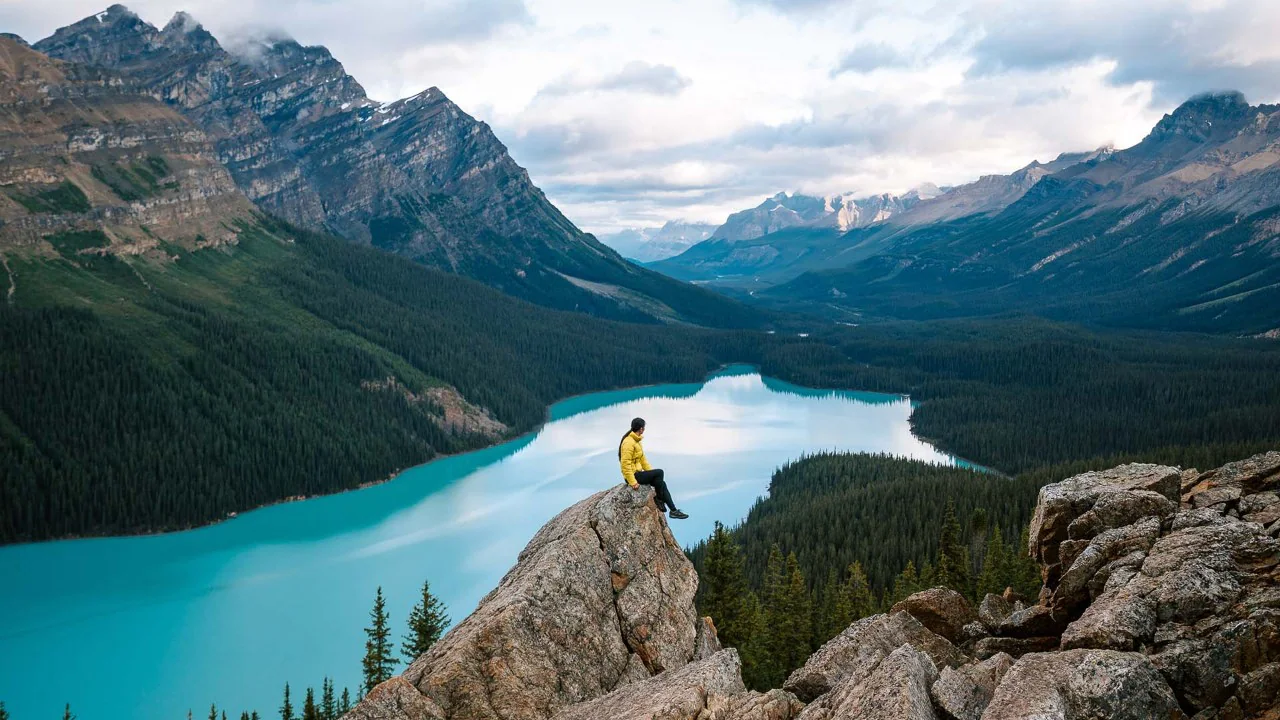

In places like Banff National Park, the beauty that draws people here is also what places the landscape under pressure. Glacial lakes, alpine trails, and wide mountain valleys attract visitors from around the world, and during peak seasons those places can feel busy.
Crowding is often discussed as an inconvenience for travelers. Full parking lots, shuttle systems, and crowded viewpoints can change the pace of a day. But the effects extend beyond visitor experience. Trails, wildlife movement, and fragile alpine environments all respond to how people move through the landscape.
In Canada’s national parks, the guiding principle behind many management decisions is something called ecological integrity. It refers to a landscape where natural systems, wildlife populations, vegetation, water flow, and seasonal cycles, continue to function much as they would without heavy human disruption.
In heavily visited places like Banff, maintaining that balance depends not only on park management and infrastructure, but also on the small decisions made by millions of visitors each year.
In places like Lake Louise, visitor numbers can concentrate heavily in a small area, something explored more deeply in Overcrowding at Lake Louise.
Responsibility, in other words, becomes shared.
Why Responsibility Becomes Visible in Busy Parks
Most visitors arrive in the Rockies focused on the experience of the day. They want to see the turquoise lakes, walk through alpine meadows, and enjoy the mountain views they have seen in photographs for years.
That focus is natural.
But in landscapes that receive millions of visits annually, the effects of movement accumulate. When hundreds or thousands of hikers pass through the same area each day, small impacts begin to add up.
A single person stepping off trail may not seem significant. Yet repeated hundreds of times across a season, those footsteps can widen trails, damage alpine vegetation, and alter how the terrain absorbs water and erosion.
These changes rarely happen overnight. They unfold gradually, often invisible during a single visit but obvious across years of watching the same valleys.
This is where the idea of shared responsibility begins to matter. Not because visitors are doing something intentionally harmful, but because landscapes respond to patterns of use.
What Trail Erosion Tells Us About Visitor Impact
Trail erosion is one of the most visible signs of pressure in heavily used mountain areas.
In alpine environments, vegetation grows slowly and soil layers are often shallow. When hikers consistently step around muddy sections or widen paths to pass others, trails can expand far beyond their original footprint.
Over time this leads to:
-
widening trails
-
compacted soil
-
exposed roots
-
erosion channels during rainfall
In some places around Banff and Lake Louise, trails that were once narrow footpaths have gradually widened as visitor numbers increased.
Individually, each step feels insignificant. Collectively, thousands of steps reshape the landscape.
Park managers respond with trail design improvements, boardwalks, and restoration work. But visitor behavior still plays a role in maintaining the long-term stability of these environments.
Staying on established paths, even when conditions are imperfect, helps prevent new scars from forming across fragile terrain.
Wildlife Corridors and Movement Through the Bow Valley
Trails are only one part of the picture.
Wildlife movement across the Bow Valley is another critical element of how the ecosystem functions.
Animals such as elk, wolves, bears, and cougars move across large distances in search of food, seasonal habitat, and breeding grounds. These movement patterns form part of the ecological structure that keeps wildlife populations healthy.
In the Bow Valley, protected wildlife corridors allow animals to move between landscapes that might otherwise be separated by roads, towns, and infrastructure. Overpasses and underpasses along the Trans-Canada Highway are designed specifically to help animals cross safely.
But wildlife movement also depends on quieter areas of habitat where animals can travel without constant disturbance.
When visitor activity expands into these spaces, animals often shift their behavior, traveling at night instead of during the day, avoiding certain valleys, or altering seasonal patterns.
These adjustments are subtle but significant. Maintaining ecological integrity means ensuring wildlife can continue moving through these landscapes as they have for generations.
Ecological Integrity in the Canadian Rockies
The term ecological integrity appears frequently in Parks Canada policy, but its meaning is actually quite simple.
A landscape with ecological integrity is one where natural systems continue to function as they evolved:
-
wildlife populations remain healthy
-
vegetation regenerates naturally
-
water systems flow normally
-
seasonal cycles continue without major disruption
In the Canadian Rockies, these systems operate across large scales. Wildlife corridors connect valleys. Alpine meadows support seasonal plant life. Rivers carry glacial water through mountain landscapes that have evolved over thousands of years.
Visitor access does not automatically disrupt these systems. National parks are designed to allow people to experience these places.
But maintaining ecological integrity depends on how that access unfolds, where trails are placed, how infrastructure guides movement, and how visitors move through the terrain.
Why Responsibility Is Shared
Responsibility in crowded parks rarely falls on one group alone.
Park managers design infrastructure that guides visitor flow. Trail systems concentrate foot traffic in durable areas. Shuttle systems reduce vehicle congestion in sensitive corridors.
Guides help shape how people move through landscapes as well, choosing routes, adjusting timing, and encouraging pacing that respects both guests and the environment.
Visitors also play a role through the choices they make during a single day outdoors.
Those choices are often simple:
-
staying on established trails
-
respecting seasonal closures
-
giving wildlife space
-
packing out waste
-
allowing fragile areas to recover
Individually these actions feel small. Across millions of visits, they help preserve the conditions that make these landscapes remarkable.
How Guides Think About Impact on the Trail
Guiding in a place like Banff involves more than selecting scenic routes. It also involves reading the landscape, noticing where pressure is building and where conditions remain resilient.
Sometimes the most responsible choice is simply adjusting timing. Starting earlier in the day or choosing a quieter valley can reduce both crowd pressure and environmental impact.
Other times it means choosing routes that distribute use more evenly across the region rather than concentrating everyone into the same iconic corridors. Spreading use also matters because valley bottoms are movement routes for wildlife, something I explore in Wildlife Corridors in the Bow Valley.
These decisions are rarely dramatic. They are part of the quiet judgment that shapes a calm mountain day.
These kinds of choices are part of the approach I describe in How I Guide, where pacing, timing, and route selection all influence how a day unfolds in the mountains.
For guests, the result often feels simple: a steady pace, a comfortable trail, and space to experience the landscape fully.
Behind the scenes, that simplicity often reflects careful awareness of how people and ecosystems interact.
The Landscape We Share
The Canadian Rockies remain extraordinary partly because the landscapes here still function as large, connected ecosystems.
Wildlife continues to move across valleys. Alpine environments regenerate each summer. Rivers carry glacial water through the mountain corridors that define this region.
Maintaining those patterns is not the responsibility of any single visitor or organization. It emerges from the combined decisions of everyone who spends time here.
In busy parks like Banff, responsibility becomes shared, not as a burden, but as part of the quiet agreement that allows millions of people to experience these mountains while the landscape itself continues to thrive.
For travelers who value thoughtful pacing and deeper awareness of place, that shared responsibility is simply part of moving well through the Rockies.
Frequently Asked Questions About Responsible Hiking in Banff National Park
Why do national parks like Banff experience overcrowding?
Banff National Park attracts millions of visitors each year because of its famous lakes, mountain scenery, and accessible trails. Certain places such as Lake Louise and Moraine Lake concentrate visitors into small areas, which can make trails and viewpoints feel crowded during peak seasons.
What does ecological integrity mean in national parks?
Ecological integrity refers to a landscape where natural systems continue to function as they evolved. In places like the Canadian Rockies, this means wildlife can move through valleys, vegetation regenerates naturally, and seasonal cycles remain largely intact despite visitor activity.
How do hikers affect trails in Banff National Park?
Repeated foot traffic can gradually widen trails, compact soil, and damage fragile alpine vegetation. Staying on established paths and avoiding shortcuts helps protect these environments and prevents new erosion from forming.
Why are wildlife corridors important in the Bow Valley?
Wildlife corridors allow animals such as elk, bears, wolves, and cougars to move safely between different parts of the Rockies. In the Bow Valley, these corridors connect mountain habitats that might otherwise be divided by roads, towns, and visitor infrastructure.
How can visitors reduce their impact when hiking in busy parks?
Small decisions make a difference. Staying on established trails, respecting seasonal closures, giving wildlife space, and choosing quieter hiking areas all help reduce pressure on heavily visited landscapes.
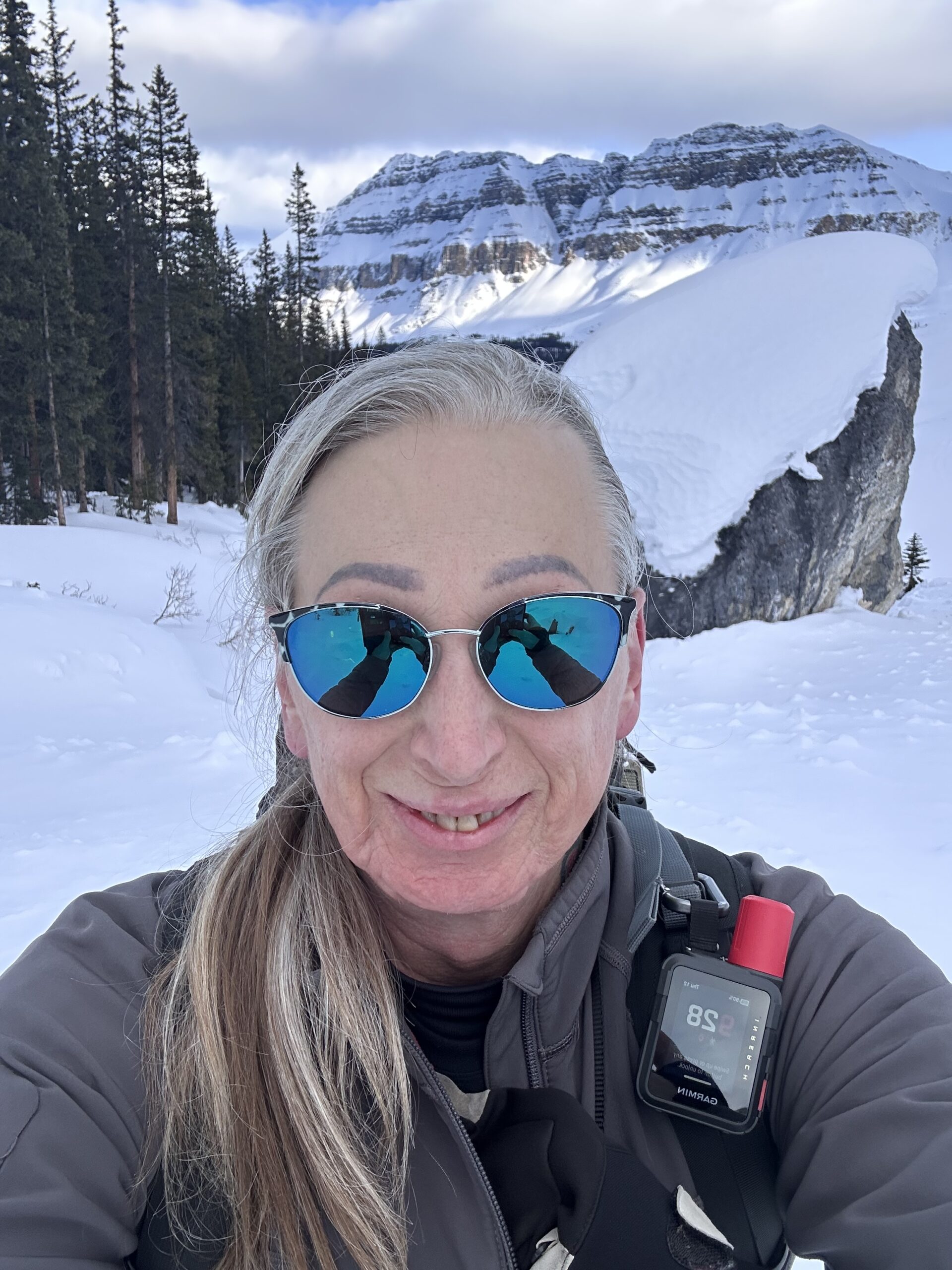
Certified private hiking guide and professional interpretive practitioner based in the Canadian Rockies. With over 25 years of four-season mountain experience, she offers thoughtfully paced hiking experiences that help active adults explore mountain landscapes with care, confidence, and understanding. Meet Niki