Remote Valleys and Rugged Terrain in the Front Ranges
Visitors exploring the Canadian Rockies often begin their journey in well-known places such as Banff National Park or Lake Louise. These landscapes are spectacular, but they represent only a small portion of the mountain terrain stretching across Alberta’s western edge.
Farther south within Kananaskis Country lies a region where the mountains become wilder and more remote.
Elbow–Sheep Wildland Provincial Park protects a vast network of valleys, ridgelines, forests, and alpine basins extending along the southern Front Ranges of the Canadian Rockies. Compared with some of the more accessible provincial parks nearby, this landscape often feels quieter and more expansive.
Here, hikers move through large mountain terrain where valleys stretch deep into the ranges and the rhythm of travel slows naturally with the scale of the landscape.
For visitors who enjoy exploring remote mountain environments, Elbow–Sheep Wildland Provincial Park reveals one of the most rugged and least developed corners of Kananaskis Country.
To understand how this region fits into the broader mountain system, see Hiking Kananaskis Country: Alberta’s Provincial Parks, which explores the network of protected landscapes south of Banff.
THE LANDSCAPE OF ELBOW–SHEEP WILDLAND PROVINCIAL PARK
Elbow–Sheep Wildland Provincial Park covers a large area of mountain terrain south of the main Kananaskis valley.
Instead of focusing around a single lake or travel corridor, the park protects multiple valleys that extend into the Front Ranges. These valleys include the Elbow River, Sheep River, and several smaller tributaries that carve their way through the mountains.
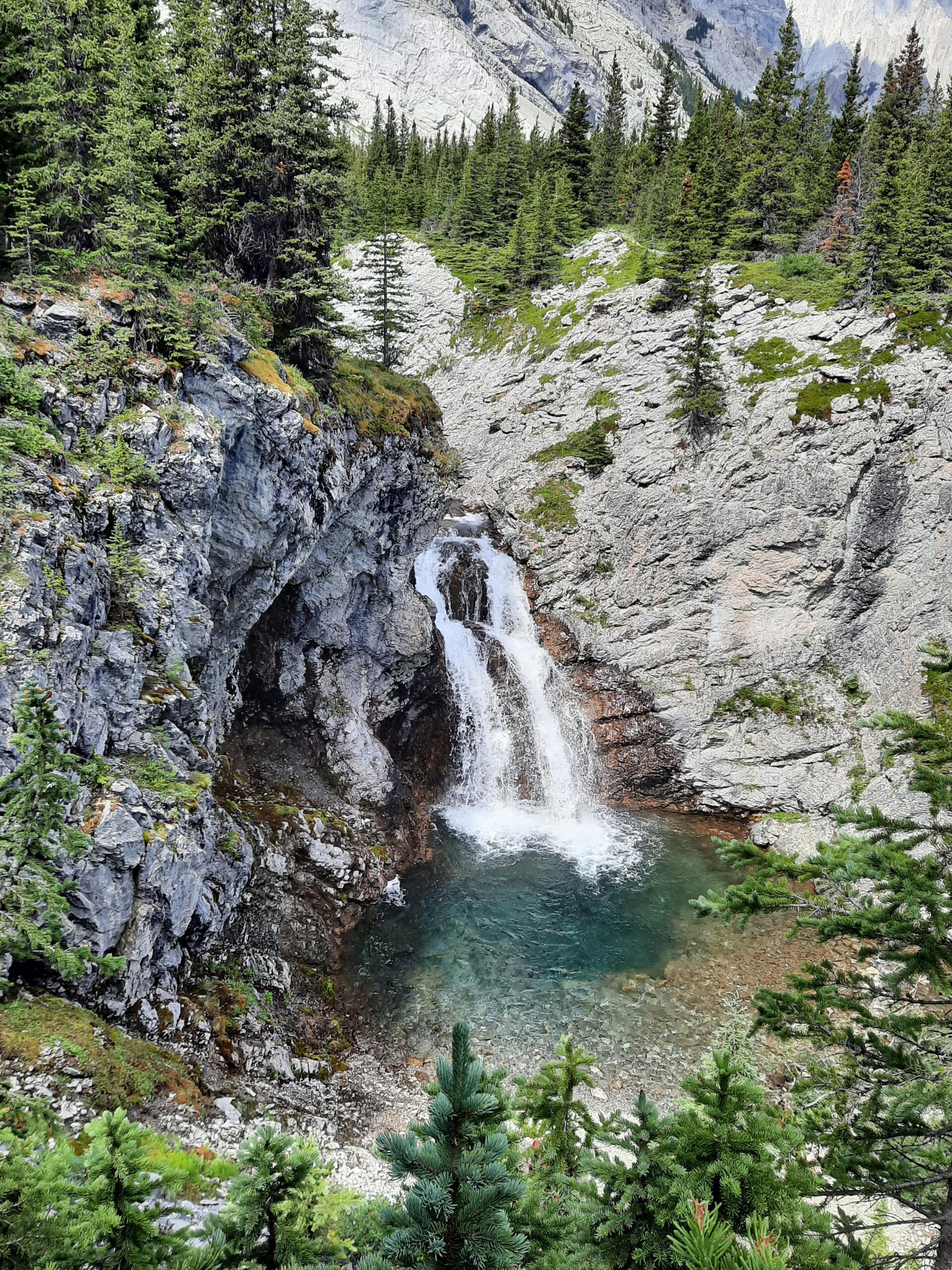
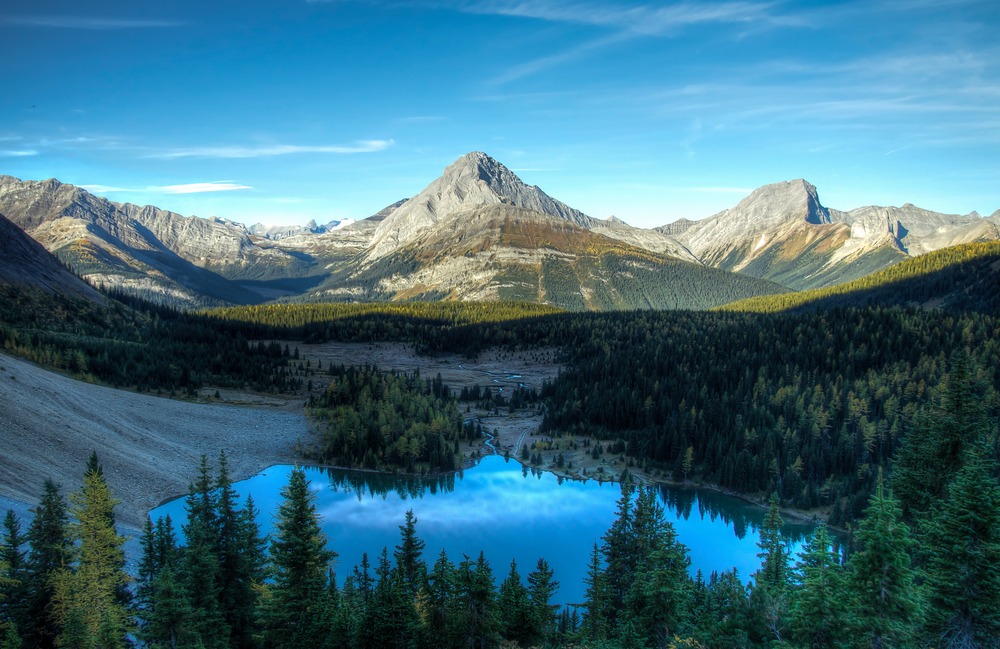
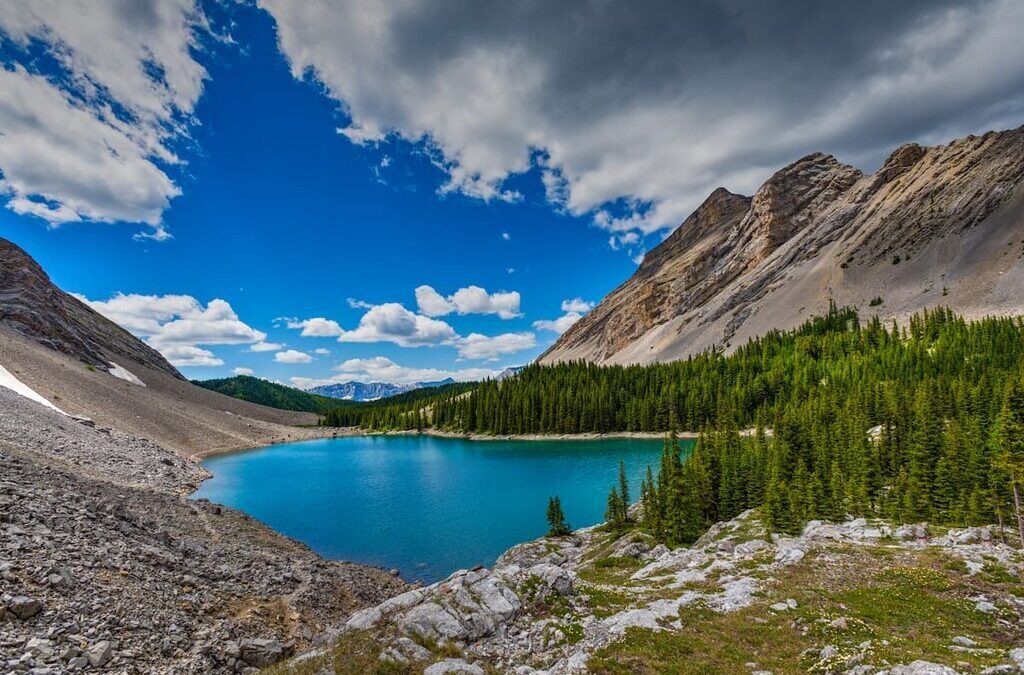
The terrain here often feels broader and more rugged than some other areas of Kananaskis Country. Forested valleys rise gradually toward steep ridgelines and alpine basins where open slopes reveal sweeping views across the surrounding ranges.
Because the park contains fewer developed facilities and fewer concentrated trailheads, the landscape often retains a sense of remoteness that many hikers find appealing.
Travel through these valleys reveals a layered landscape where forests, rivers, and ridgelines gradually unfold rather than immediately revealing dramatic alpine scenery.
HISTORY OF THE SOUTHERN KANANASKIS VALLEYS
Long before the creation of provincial parks, the valleys within what is now Elbow–Sheep Wildland Provincial Park served as travel corridors for Indigenous peoples moving through the eastern slopes of the Rocky Mountains.
These valleys provided access between hunting grounds, seasonal camps, and trade routes connecting different parts of the region.
During the late 19th and early 20th centuries, portions of the area were used for ranching, logging, and small-scale resource extraction. Over time, however, much of the land was recognized for its ecological importance and scenic value.
The wildland park designation was created to protect these landscapes while allowing low-impact recreation such as hiking and backcountry travel.
Today the park remains one of the least developed areas within Kananaskis Country, preserving a large expanse of mountain terrain that feels increasingly rare in modern travel landscapes.
ECOLOGY AND WILDLIFE OF THE WILDLAND PARK
Elbow–Sheep Wildland Provincial Park protects one of the most significant wildlife habitats within the southern Front Ranges.
The large, continuous landscapes within the park allow animals to move freely between valleys and mountain ranges. As a result, the region supports a diverse range of wildlife species.
Elk, deer, and bighorn sheep frequently inhabit valley bottoms and open slopes. Black bears and grizzly bears move seasonally through the region, following food sources such as berries and roots.
Higher ridgelines and alpine terrain provide habitat for species adapted to the harsher conditions of the mountains.
The forests throughout the park contain a mixture of lodgepole pine, spruce, and fir, while alpine slopes support wildflowers and grasses during the short summer growing season.
Because these ecosystems are shaped by limited growing seasons and sensitive wildlife habitats, responsible travel practices such as Leave No Trace are especially important for protecting the landscape.
GEOLOGY OF THE SOUTHERN FRONT RANGES
The mountains within Elbow–Sheep Wildland Provincial Park form part of the Front Ranges of the Canadian Rockies, created during powerful tectonic forces roughly 80 million years ago.
During that time, ancient seabed rock layers were pushed eastward along large fault systems as the Rocky Mountains began rising from the landscape.
Over millions of years, erosion and glaciation shaped the ridgelines and valleys that define the region today.
Glaciers moving through the mountains carved wide valleys and cirques that later filled with forests and rivers as the ice retreated. These glacial processes created the layered terrain hikers encounter today.
Compared with the high alpine landscapes farther north, the southern Front Ranges often feature longer ridgelines and broader valleys, creating a sense of scale that feels both rugged and expansive.
SCENIC LANDSCAPES AND HIKING AREAS
Several valleys and ridgelines within Elbow–Sheep Wildland Provincial Park have become well known among hikers exploring southern Kananaskis.
Sheep River Valley
A scenic valley with forested trails and open slopes that reveal views across the southern Front Ranges.
Elbow River Valley
A long mountain corridor following the Elbow River, offering access to both valley hikes and higher ridge routes.
Prairie Mountain and nearby foothill ridges
Distinctive peaks near the park boundary that provide expansive views across the foothills and the mountains beyond.
Remote alpine basins and ridgelines
Many routes within the wildland park lead toward higher terrain where hikers can experience quieter alpine landscapes.
You can explore these routes in more detail in Elbow–Sheep Wildland Provincial Park Hiking | Remote Valleys of the Front Ranges.
SEASONAL CHARACTER OF THE WILDLAND PARK
The southern valleys of Kananaskis experience seasonal changes that shape how visitors experience the landscape.
Spring often arrives gradually as snow melts from valley floors while lingering on higher ridges.
Summer brings long daylight hours and vibrant mountain landscapes as wildflowers bloom across alpine slopes.
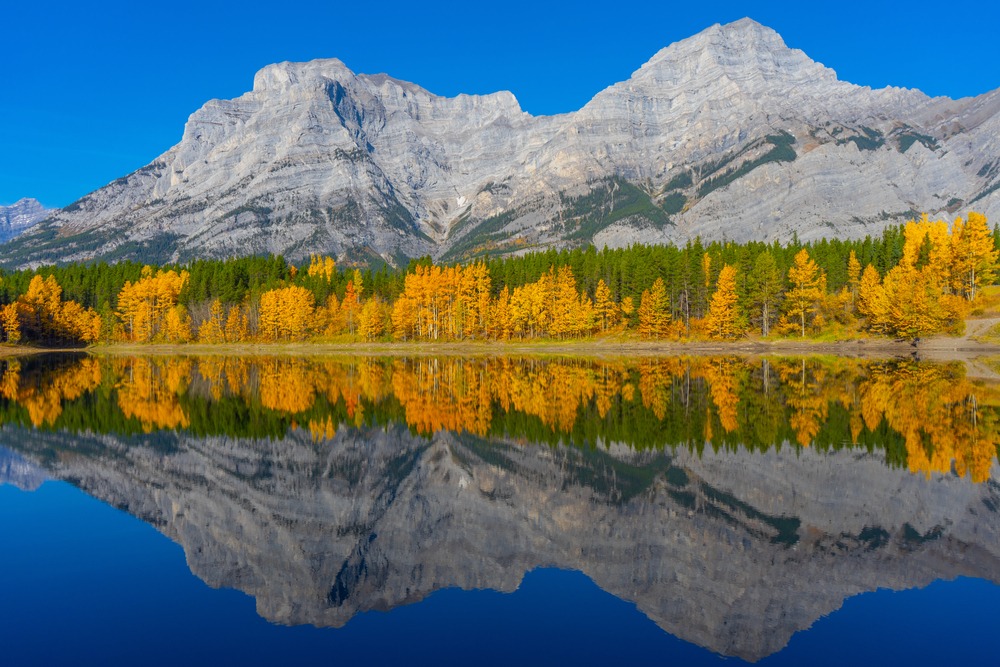
Autumn introduces cooler air and rich colors across forests and foothills as shrubs and grasses turn shades of gold and red.
Winter transforms the park into a snow-covered landscape suited primarily to experienced winter travelers and backcountry users.
Because the terrain here can feel more remote than other parts of Kananaskis Country, understanding seasonal conditions becomes especially important when planning a visit.
WHY THIS LANDSCAPE FEELS DIFFERENT FROM OTHER PARTS OF KANANASKIS
Each region within Kananaskis Country reveals a different aspect of the Rockies.
The Kananaskis Lakes area often feels defined by glacial lakes and alpine basins. Highwood Pass offers quick access to alpine terrain, while Bow Valley and Bragg Creek reflect the foothills transition toward the plains.
Elbow–Sheep Wildland Provincial Park introduces yet another character.
Here the terrain feels broader, quieter, and more remote. Valleys extend deeper into the mountains, and travel through the landscape often feels less structured than in more developed parks.
For many hikers, this sense of openness creates a deeper connection to the mountain environment.
A GUIDE’S PERSPECTIVE ON HIKING HERE
After guiding throughout the Canadian Rockies for many seasons, the southern valleys of Kananaskis have always stood out as places where the mountains feel particularly expansive.
The ridgelines stretch far across the landscape, and the valleys encourage steady movement through large terrain rather than short climbs toward a single viewpoint.
For guests joining me on private guided hikes, these landscapes often create some of the most memorable days in the mountains. The pace slows naturally, and the terrain encourages hikers to notice the surrounding ridges, forests, and wildlife corridors that define the region.
If you’d like help choosing and planning the right hike in Kananaskis, see my private guided hiking services.
HOW ELBOW–SHEEP WILDLAND PROVINCIAL PARK FITS INTO A ROCKIES TRIP
Elbow–Sheep Wildland Provincial Park lies south of the main Kananaskis valley and west of the foothills communities near Calgary.
Because of its location, the region often receives fewer visitors than more famous areas of the Canadian Rockies.
Some travelers explore these valleys after visiting Banff or the Kananaskis Lakes area, discovering a quieter side of the mountains. Others begin their journey here, experiencing the transition between foothills and alpine terrain.
Either way, the park reveals a powerful reminder that the Canadian Rockies extend far beyond the most photographed landscapes.
Faq
Where is Elbow–Sheep Wildland Provincial Park located?
The park lies within Kananaskis Country along the southern Front Ranges of the Canadian Rockies, west of Calgary and south of the main Kananaskis valley.
What are the best hikes in the park?
Several scenic routes follow the Sheep River and Elbow River valleys or climb toward ridgelines overlooking the surrounding mountains.
Is the park more remote than other parts of Kananaskis?
Yes. Compared with parks such as Peter Lougheed Provincial Park, the wildland park often feels less developed and more expansive.
Do visitors need a pass to visit the area?
Most trailheads within Kananaskis Country require a Kananaskis Conservation Pass for parking.
When is the best time to hike in Elbow–Sheep Wildland Provincial Park?
Most hiking routes are accessible between late spring and early autumn, although conditions vary depending on elevation and seasonal weather patterns.
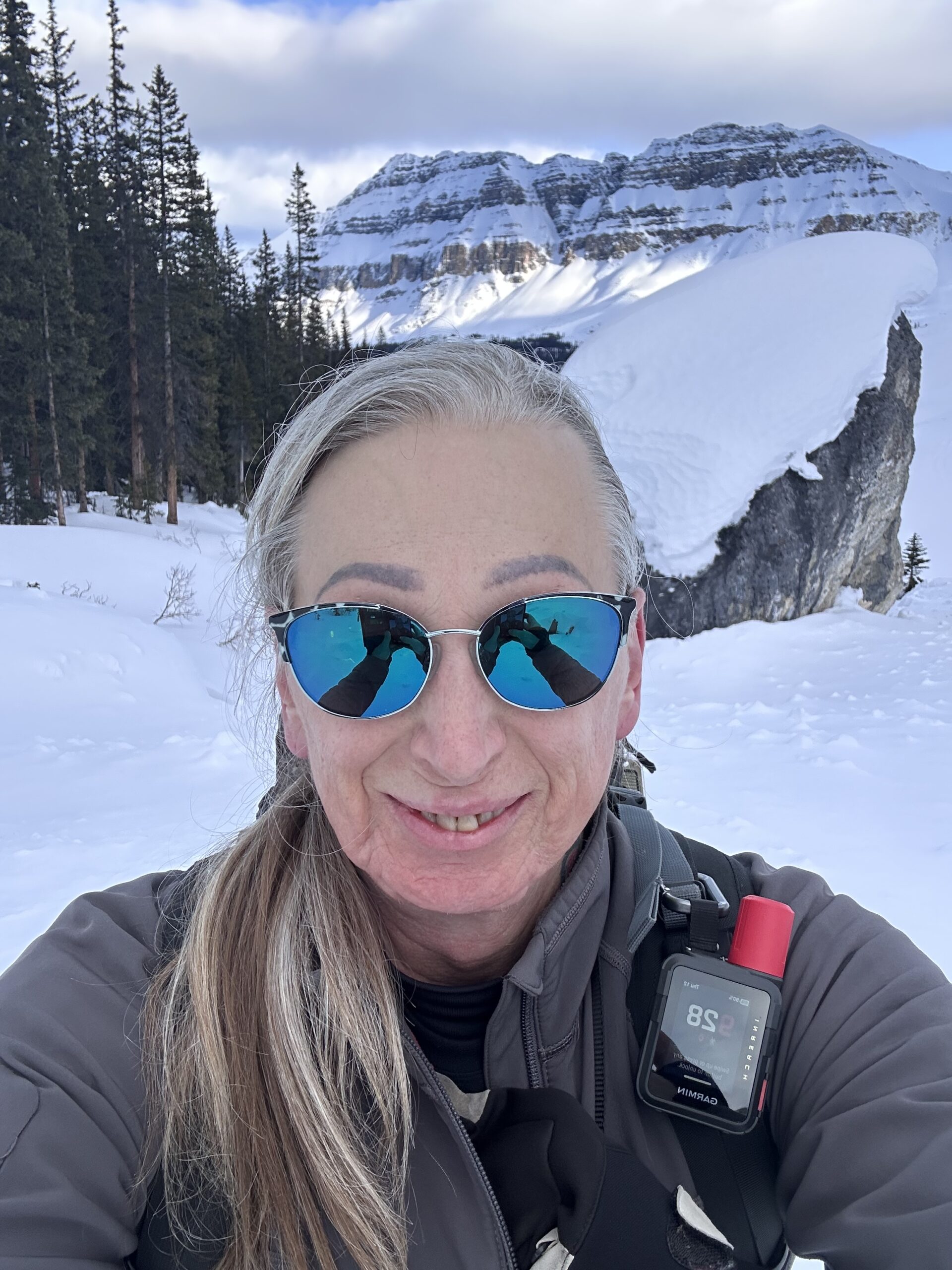
Certified private hiking guide and professional interpretive practitioner based in the Canadian Rockies. With over 25 years of four-season mountain experience, she offers thoughtfully paced hiking experiences that help active adults explore mountain landscapes with care, confidence, and understanding. Meet Niki