Today was a solo day in the mountains — one of those days that doesn’t ask to be shared loudly, but does leave a clear imprint.
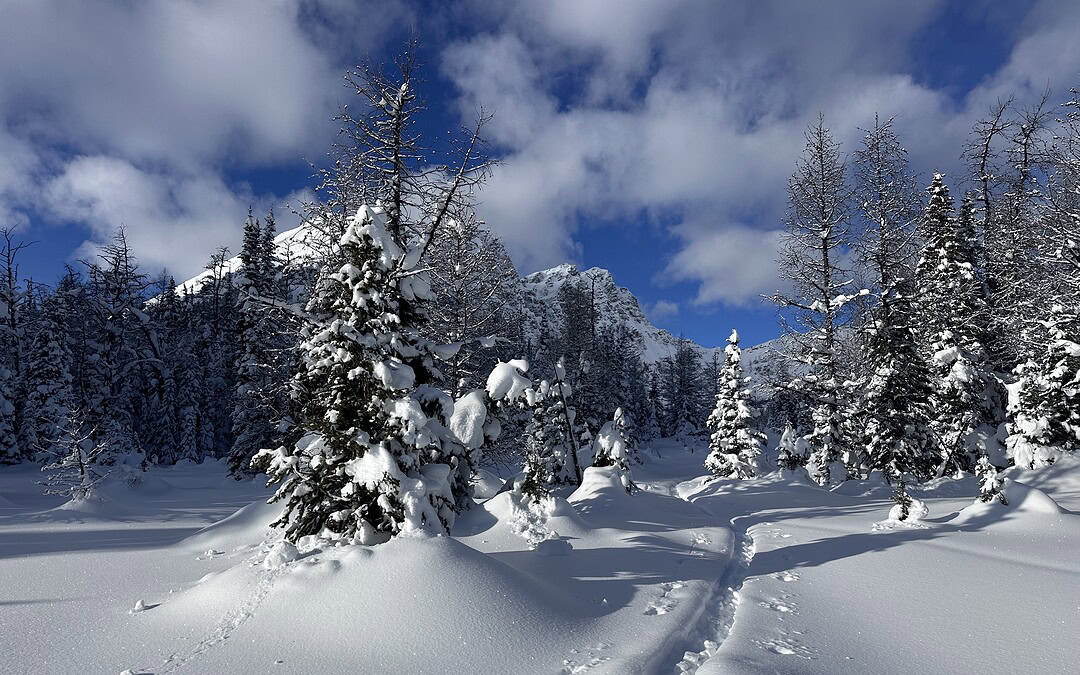
I skinned in along the Taylor Lake trail, moving steadily through familiar terrain before stepping into steeper ground. The snow was deep, the angle serious, and the conditions required attention. Every decision mattered — not in a dramatic way, but in the quiet, cumulative way winter demands. The kind of day where confidence and caution are not opposites, but partners.
What I value most about days like this is the necessity of presence. Skinning and skiing terrain that carries consequence requires constant assessment: snow texture, wind effect, slope angle, temperature shifts, and how all of it is changing together. You’re not chasing speed or distance. You’re listening — to the landscape, to your body, and to the margin you’re willing to hold.
And that idea — margin — is something most of us understand, whether we’re in the mountains or not. The best decisions often aren’t the boldest ones. They’re the ones that leave room for change.
Winter communicates subtly. Wind writes its story across the surface. Snow tells you where it has settled easily and where it has been stripped away. Tracks appear, vanish, reappear — reminders that movement here is conditional, never guaranteed. You don’t argue with that. You respond.
At one point, I followed a faint set of tracks that disappeared beneath windblown snow. Not a loss — just information. A quiet lesson in adaptation. Winter doesn’t reward force. It rewards adjustment.
That’s a lesson that travels well beyond snow. Most of us have moments where the “right” path disappears — where we need to pause, reassess, and choose a different way forward without panic. In winter, that pause isn’t weakness. It’s skill.
Solo travel sharpens awareness. Without conversation or shared momentum, decisions rest fully with you. There’s no external rhythm to fall into — only the pace that makes sense for the day. That independence brings a kind of clarity I don’t find elsewhere. It strips things back. You’re not proving anything. You’re simply moving through the environment as it is
I felt alive today — not from adrenaline, but from alignment. The conditions warranted the calls I made, and the restraint mattered as much as the movement. Knowing when not to push is part of moving well.
And that, for me, is the point worth carrying forward: the strongest kind of confidence is quiet — it’s the ability to choose what’s appropriate, not what’s impressive.
I’m aware that this kind of day is different from guest-based outings. Those days are shaped by shared experience, by comfort, by care, and by creating space for others to move confidently and enjoyably through the mountains. They aren’t about testing edges — they’re about reading the day well and choosing terrain that supports steadiness.
The skill is the same, just applied differently: paying attention early, making decisions before they become urgent, and choosing routes where the experience can stay calm.
Because the truth is, most people aren’t looking for danger. They’re looking for trust — the feeling that someone is watching the small details so they don’t have to carry that weight themselves.
Recreational days — especially solo ones — hold something distinct for me. They are where I return to fundamentals. Where I reconnect with why judgment matters. Where inner quiet settles in without effort.
Winter doesn’t need to be dramatic to be profound. Sometimes it’s enough to move thoughtfully, read what’s in front of you, and come home with the simple knowledge that you were fully present for the day.
Some lessons don’t arrive as statements.
They arrive as tracks fading into snow — reminding you that the most capable way forward is often the one taken with care.
This was a personal day, the kind of outing I choose for myself , and it’s different from the way I design guest experiences.
When I guide, the focus is always calm pacing, steady terrain choices, and creating an experience that feels supported from start to finish.
If you’re exploring thoughtful travel in the Rockies, you’re welcome to begin a conversation.
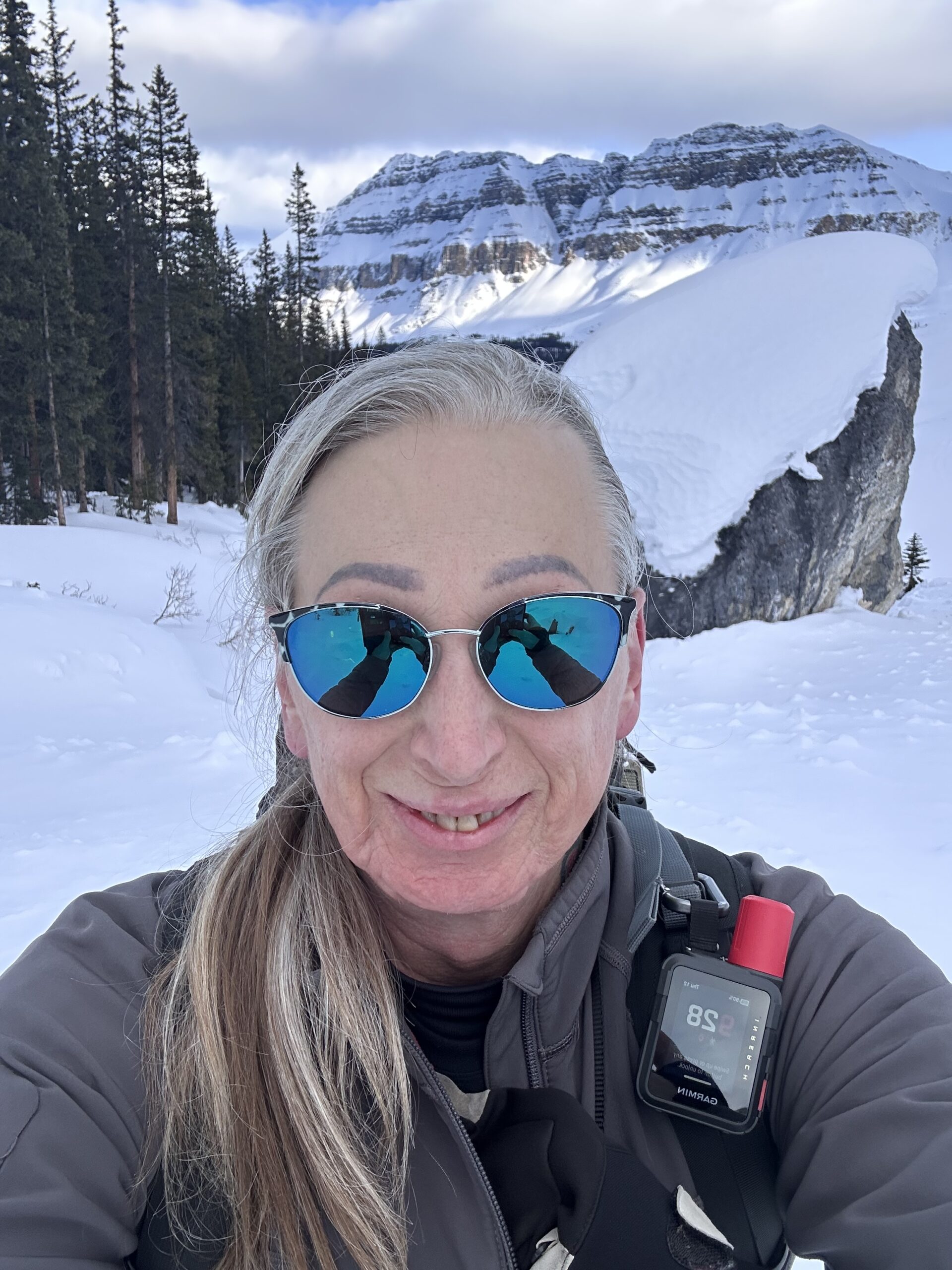
Certified private hiking guide and professional interpretive practitioner based in the Canadian Rockies. With over 25 years of four-season mountain experience, she offers thoughtfully paced hiking experiences that help active adults explore mountain landscapes with care, confidence, and understanding. Meet Niki