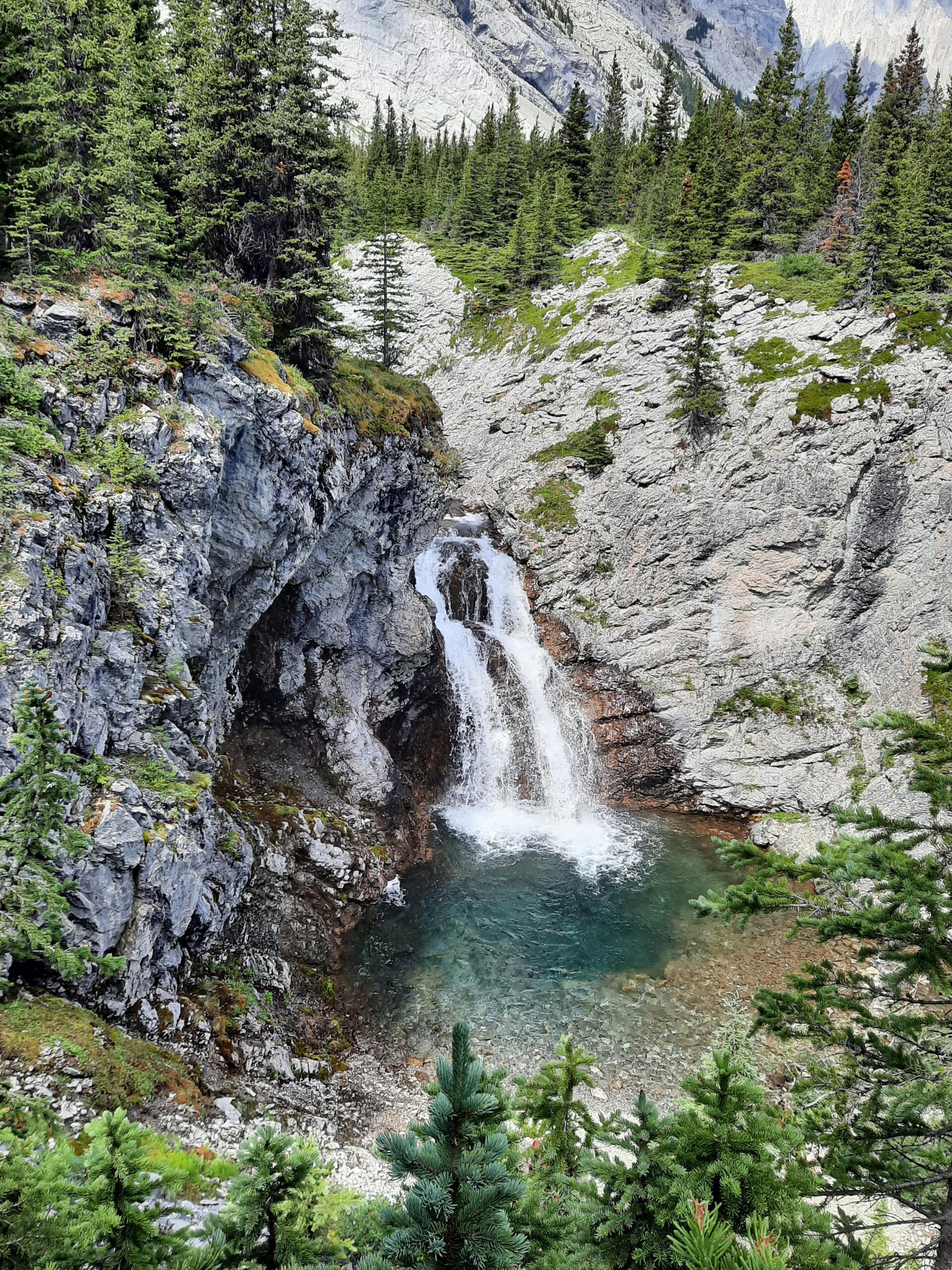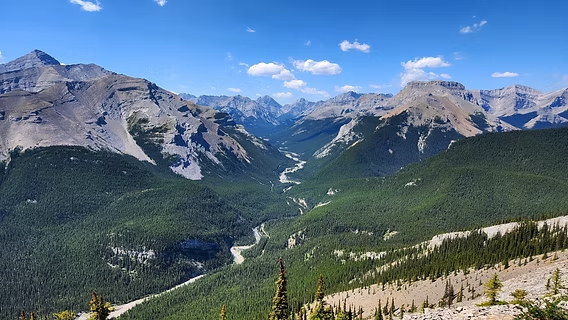
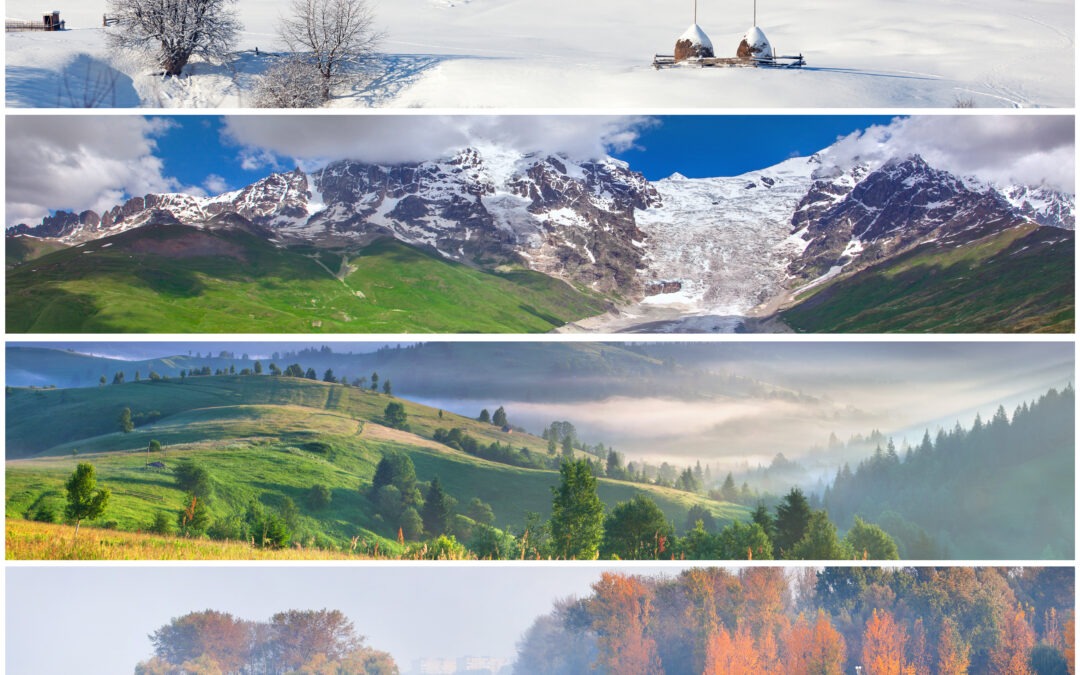
When people ask about the best time to visit the Canadian Rockies, what they are often really asking is something more personal:
When will it feel right?
Not just when the trails are open. Not just when the weather is warmest. Not just when the lakes are turquoise or the larches turn gold.
They are asking when the trip is most likely to match the kind of mountain experience they want to have.
That distinction matters.
The Canadian Rockies do not offer the same kind of trip in every season. The scenery is always compelling, but the rhythm, access, crowd levels, weather, and overall feel of a day change significantly through the year. A season that feels ideal for one traveler may feel rushed, crowded, too limited, too hot, too cold, or simply mismatched for someone else.
That is why there is no single “best” time that applies equally to everyone.
There is only the season that best fits the kind of trip you want.
THE BETTER QUESTION TO ASK
A lot of timing articles begin by trying to tell you the best month.
That can be useful, but it can also flatten an important reality: the best season depends on what you value most.
For some people, the priority is broad hiking access and a wide range of alpine options.
For others, it is a calmer trip with less crowd pressure.
For others, it is cooler temperatures, steadier pacing, and a travel rhythm that feels more spacious.
For others, it is a specific seasonal experience, such as larches, wildflowers, or winter light.
The more useful question is not simply:
When is the best time to visit the Canadian Rockies?
It is:
What kind of trip do I want this to be?
Once that becomes clear, the right season usually becomes easier to recognize. If you are still building the wider structure of the trip, How to Plan a Trip to the Canadian Rockies is the best place to begin.
BROADEST HIKING ACCESS
If your main priority is having the widest range of hiking options available, the strongest period is usually late June through September.
This is the part of the year when:
more alpine routes are accessible
higher elevations are more realistic
day length is generous
route choice is broadest
the planning margin is often simplest
This is often the easiest season for first-time visitors who want classic hiking and do not want to spend too much of the trip working around seasonal limitations.
That wider access matters because it simplifies decision-making. If you are traveling a long way and want the greatest number of options open to you, this is the season that most often supports that kind of trip. It is also the easiest season for visitors who want to combine classic sightseeing with several hiking days without having to think too carefully about shoulder-season limitations.
The tradeoff is that this is also when the Rockies are under the most pressure. Banff, Lake Louise, and many of the best-known trails can feel highly concentrated, especially in midsummer and on weekends. If Banff is central to your plans, When Is the Best Time to Visit Banff for Hiking? goes into that in more detail.
So if your top priority is access, this season is often the best fit.
If your top priority is calm, it may not be.
A CALMER, LESS PRESSURED TRIP
Some travelers care less about having maximum route access and more about how the trip feels overall.
They want:
less crowding
less parking pressure
a more natural pace
less compression around famous places
a little more room to breathe
If that sounds like you, shoulder season or the quieter edges of the main hiking season may suit you better than peak midsummer.
In the Canadian Rockies, shoulder season often requires more careful route choice and more realistic expectations. Some hikes will not yet be in condition, and others may hold snow or ice longer than visitors expect. But for travelers who care about the quality of the day rather than the widest possible menu of hikes, those tradeoffs can be worthwhile.
What many people notice in a quieter season is not only the reduction in crowds, but the change in tone. Parking feels less competitive. Trailheads feel less compressed. Scenic stops feel less hurried. A day can begin and unfold with less friction. For some visitors, that shift alone changes the entire experience of the trip.
This is especially true when the trip is shaped around the right terrain rather than around a fixed checklist. In many cases, a slightly less famous route in the right season will create a much better experience than a crowded iconic route at the wrong time. If that kind of tradeoff matters to you, Banff vs Kananaskis for Hiking is a useful companion read.
The important thing is to understand the trade clearly. A calmer trip may mean accepting more limited access in exchange for a day that feels far more spacious and enjoyable. For many travelers, that is not a compromise at all. It is the whole point.
COOLER TEMPERATURES AND A BETTER WALKING RHYTHM
Many travelers, especially active adults, discover that their best mountain days are not necessarily the warmest days or the busiest season.
Cooler air often creates:
steadier pacing
easier climbs
better recovery
more comfort over longer days
less sense of being rushed by heat or heavy tourism flow
That is one reason early fall often works so well for some visitors. The days may be shorter than midsummer, but they can feel more comfortable, more spacious, and more coherent.
If you value the feel of the day as much as the destination itself, this matters. For many travelers, especially those thinking about energy and recovery over several days, Travel Pace After 50 in the Canadian Rockies adds another layer to this question.
A trip is not only shaped by what is possible on paper. It is shaped by how your body responds to several days of mountain travel in a row. Heat, long daylight, crowded trailheads, and the pressure to maximize every day can all change how the trip feels. Cooler conditions often make it easier to walk steadily, pause when needed, and finish the day with energy still intact.
This is one reason some travelers find that an early fall trip suits them better than a midsummer one, even if midsummer appears more “ideal” in a general guide. The routes may not be broader, but the rhythm of the trip may feel better. And in the end, that often matters more than having every possible option open.
The best season is not always the one with maximum access. Sometimes it is the one that supports the rhythm you actually want.
LARCH SEASON
For many travelers, larch season is the most emotionally compelling time to visit the Rockies.
The golden color is striking, the contrast against darker forest and stone is beautiful, and the season has a distinct atmosphere that many people find unforgettable.
But larch season also concentrates people.
This is important.
A lot of visitors come expecting beauty and are surprised by how much pressure can build around specific larch locations. The scenery is real, but the crowding can also be real. A famous larch trail at peak season may not create the calm mountain experience people had imagined.
That does not mean you should avoid larch season. It means you should choose it intentionally.
If your priority is larches, then the season may absolutely be worth it. But if your deeper priority is spaciousness, quiet, and a less pressured day, then you may need to think more carefully about where you go and whether the most popular larch routes are actually the right fit.
WILDFLOWERS, GREEN VALLEYS, AND EARLY SEASON ENERGY
Early summer appeals to many visitors because it can feel fresh, vivid, and alive in a different way from late summer or fall.
Green valley floors, flowing water, lingering snow higher up, and the feeling of the landscape opening into summer can create a very beautiful trip.
This period is often especially appealing for people who are less concerned with maximum alpine access and more interested in atmosphere, freshness, and lower or mid-elevation hiking days.
The tradeoff is that early summer is not always simple.
Higher routes may still be limited. Snowpack may still affect access. Shoulder-season conditions can linger longer than visitors assume, especially in shaded terrain or at elevation. If you want a more detailed month-by-month sense of how those conditions build and change, Banff Weather by Month: What to Expect in the Canadian Rockies may help.
So this can be a rewarding season, but it rewards travelers who are comfortable letting conditions shape the details of the trip.
SNOW, WINTER LIGHT, AND A DIFFERENT KIND OF MOUNTAIN DAY
Winter in the Canadian Rockies is not simply summer with snow on top.
It is a different kind of mountain experience entirely.
For some travelers, that is exactly the appeal.
Winter brings:
quiet forests
snow-covered valleys
clear cold light
a more contemplative landscape
and a rhythm that is often less about covering distance and more about moving carefully and attentively through winter terrain
This is not general hiking season in the usual sense, and it requires a different mindset. But for travelers who are drawn to stillness, snow-covered scenery, and a more winter-shaped mountain day, it can be a deeply rewarding time to visit.
The key is to choose it for what it is, not for what you wish it would be.
HOW ACTIVE ADULTS OVER 50 OFTEN EXPERIENCE THE SEASONS DIFFERENTLY
For active adults over 50, the best season is often about more than access.
It is also about:
comfort
pacing
recovery
travel fatigue
how the body responds across several days
how crowded or compressed the trip feels
That is why the broadest hiking season is not always automatically the best season.
A cooler shoulder-season day may feel better than a hotter midsummer one. A steadier early fall trip may feel more memorable than a trip built around maximum daily output. A quieter route in Kananaskis may feel better than a more famous route under heavy pressure.
This does not mean the trip needs to be smaller. It means it needs to fit.
For many travelers over 50, that is the difference between a trip that feels impressive and a trip that feels genuinely good. If that question is central to your planning, Are Guided Hikes Right for Active Adults Over 50? may be worth reading alongside this one.
BANFF, LAKE LOUISE, KANANASKIS, AND JASPER DO NOT FEEL THE SAME IN EVERY SEASON
This is one of the most useful planning truths in the Rockies.
Different regions do not simply become “better” or “worse” at the same time. They change differently.
Banff and Lake Louise may feel heavily pressured at times when Kananaskis still feels comparatively calm.
Jasper may reward a longer trip and broader spacing in ways that do not fit every itinerary equally well.
Some iconic areas are strongest in shoulder season. Others are easier to enjoy when access is broad but expectations are carefully managed. Some quieter provincial mountain areas create their best days precisely when visitors are fighting for the most famous names elsewhere.
This is why a season decision is not just about the month. It is also about where you are trying to spend that month.
Banff and Lake Louise tend to absorb the highest concentration of visitor pressure, especially when access is broad and demand is at its peak. That does not make them poor choices. It simply means the season affects not only the scenery, but the overall experience of being there. A place that feels magical in one week of the year may feel logistically strained in another.
Kananaskis often offers a different rhythm. For travelers who want mountain scale without quite the same degree of compression, it can become a stronger option in seasons when the most iconic Banff corridors feel especially pressured. Jasper, meanwhile, often rewards travelers who are willing to give it more time and shape the trip around its broader geography rather than trying to fit it in quickly.
This is also why the same season can produce very different trips depending on where you base yourself. A September trip centered on Banff and Lake Louise may feel concentrated and highly sought after. A September trip shaped partly around Kananaskis may feel quieter and more spacious. Neither is automatically better. They are simply different versions of a Rockies trip.
If Kananaskis is part of that question, Best Time to Visit Kananaskis for Hiking can help you think through it more specifically.
HOW TO CHOOSE THE BEST SEASON FOR YOUR TRIP
If you are still unsure, this is the simplest way to think about it:
Choose the season based on the thing you care about most.
If you care most about broad hiking access, late June through September is usually the strongest fit.
If you care most about a calmer trip with less pressure, look carefully at shoulder season or quieter parts of the main hiking season.
If you care most about comfort, pace, and a steadier walking rhythm, early fall may suit you better than peak midsummer.
If you care most about larches, then late September may be the obvious choice, with the understanding that it also brings concentrated demand.
If you care most about fresh early-season landscapes, early summer may be a strong fit as long as you are realistic about route limitations.
If you care most about snow, stillness, and winter mountain atmosphere, winter may be exactly right.
The best time to visit the Canadian Rockies is not the same for everyone.
It is the season that best fits the kind of trip you want to have, the kind of days you want to move through, and the pace at which you want to experience the mountains.
If you want a more detailed month-by-month breakdown of conditions, access, and hiking windows, read When Is the Best Time to Visit the Canadian Rockies?.
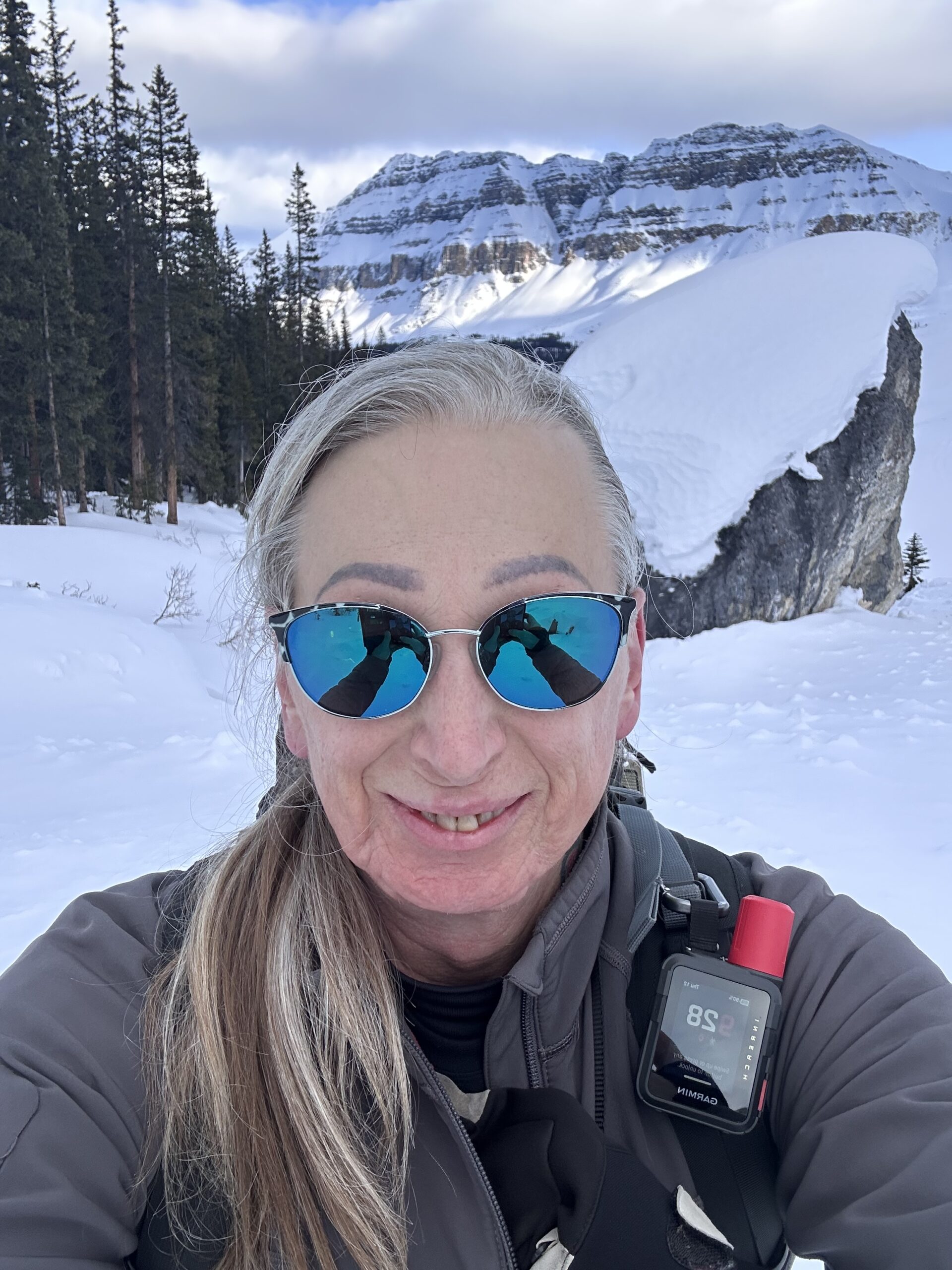
Certified private hiking guide and professional interpretive practitioner based in the Canadian Rockies. With over 25 years of four-season mountain experience, she offers thoughtfully paced hiking experiences that help active adults explore mountain landscapes with care, confidence, and understanding. Meet Niki