In the Canadian Rockies, travel pace after 50 becomes less about speed and more about rhythm. Most active adults don’t lose capacity. What shifts is recovery time, temperature regulation, and how quickly small inefficiencies compound over a full day in the mountains.
That change is subtle. But in alpine terrain, subtle changes matter.
What Actually Changes After 50
When I guide active adults in their 50s and 60s, I rarely see a dramatic drop in strength. What I see instead is a narrower margin.
Hydration errors show up faster.
Late starts feel heavier by mid-afternoon.
Cold sinks into hands more quickly above treeline.
Downhill sections tax knees that felt fine on the ascent.
None of this means someone is “too slow.” It means pacing needs to be intentional rather than assumed.
Mountain travel after 50 rewards steadiness.
And steadiness is designed, not improvised.
The Accumulation Factor
In the Rockies, terrain rarely stays consistent. A meadow rolls into moraine. Moraine tightens into rock steps. Rock steps give way to wind exposure.
Over 6–8 kilometers, small inefficiencies stack:
-
A rushed start.
-
A layer adjustment made too late.
-
A snack delayed because “we’re almost there.”
-
A pace set to match someone else instead of your own breathing rhythm.
By early afternoon, that accumulation becomes fatigue.
Not dramatic fatigue. Just the kind that makes the last 45 minutes feel longer than they should.
When hiking pace changes over 50, it’s rarely about capability. It’s about how load accumulates across terrain and time.
A Real Pacing Adjustment Above Lake Louise
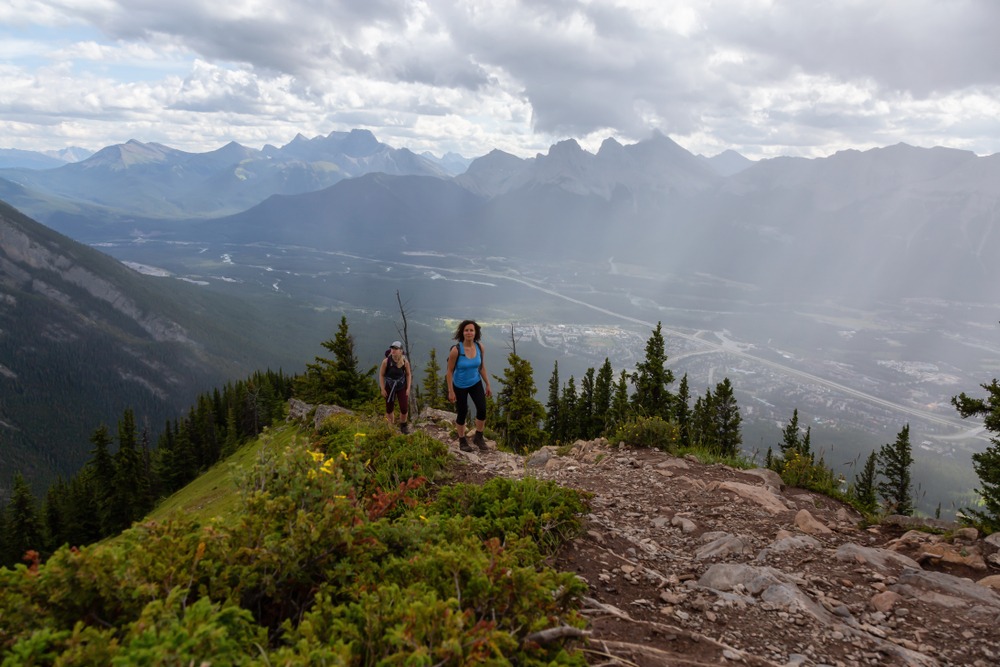
Last September, I was guiding a couple in their early 60s above Lake Louise. Clear skies. Stable forecast. A moderate alpine objective with steady elevation gain.
At treeline, both felt strong. Conversation was easy. Breathing steady.
Forty minutes later, as we entered a more open alpine bench, the wind shifted and temperature dropped noticeably. One of them began shortening stride slightly. Not dramatic. Just subtle.
That is the moment pacing decisions matter.
We stopped before fatigue set in.
Layer adjusted early.
Water taken before thirst.
Pace reset to a sustainable rhythm rather than pushing toward a visible high point.
We did not change the objective.
We changed the tempo.
By the time we reached the upper meadow, both were steady again. No recovery spiral. No “push through.” No late-day collapse.
That is what intelligent travel pace after 50 in the Canadian Rockies looks like in practice. Not slower. Just responsive.
Why Group Itineraries Often Misjudge Pace
Many structured itineraries are endpoint-driven. A fixed lunch spot. A fixed summit. A fixed return time.
When the endpoint becomes the anchor, pacing compresses toward it.
Compression changes behavior:
-
Fewer early pauses.
-
Later hydration.
-
Delayed layering.
-
Subtle competitive energy within groups.
- For active adults, especially those over 50, that compression can turn a satisfying day into an overly long one.
In private guiding, the endpoint is flexible. The experience is the anchor.
That allows for:
-
Early adjustments.
-
Conservative decision-making.
-
Route variation to reduce impact.
-
Tempo shifts without social pressure.
It’s not about lowering ambition. It’s about calibrating it.
Temperature, Recovery, and the Downhill Reality
One of the most overlooked aspects of mountain travel after 50 is downhill fatigue.
Uphill effort feels obvious. Downhill load accumulates quietly.
Knee stability, foot placement, and concentration all draw from energy reserves. If the uphill was pushed too hard, the descent becomes technical rather than flowing.
This is where early pacing protects the whole day.
I often adjust ascent tempo not because the uphill is difficult, but because I’m protecting the last kilometer.
That’s professional judgment, not caution.
What Most People Overlook
Active adults 50+ often arrive in the Rockies extremely fit. Cycling, strength training, yoga, ski touring. Fitness is not the issue.
The Rockies add:
-
Elevation.
-
Rapid weather change.
-
Trail variability.
-
Crowd compression in popular corridors.
-
Longer daylight exposure.
Travel pace after 50 in the Canadian Rockies must account for these variables.
The goal is not to move slower.
The goal is to move sustainably.
There is a difference.
Steadiness Creates a Better Experience
When pace aligns with physiology, three things happen:
You notice more.
You recover faster overnight.
You wake up ready for the next day.
That’s not accidental. That’s design.
In my own practice, steadiness is not passive. It is built through:
-
Early decision-making.
-
Margin preservation.
-
Continuous energy assessment.
-
Quiet adjustments before problems grow.
You won’t always see those adjustments happening.
You’ll just feel that the day fits.
If you’ve ever wondered whether you’re “too slow” for a guided hike, I’ve written about that directly in Am I Too Slow for Guided Hikes?.
Often, the issue isn’t pace. It’s structure.
Steady travel after 50 in the Canadian Rockies is not about limitation. It is about intelligent rhythm. When the day is designed around how your body actually performs in mountain terrain, the experience becomes more satisfying, not smaller.
If you want help choosing a day that fits your pace and comfort, Begin A Conversation.
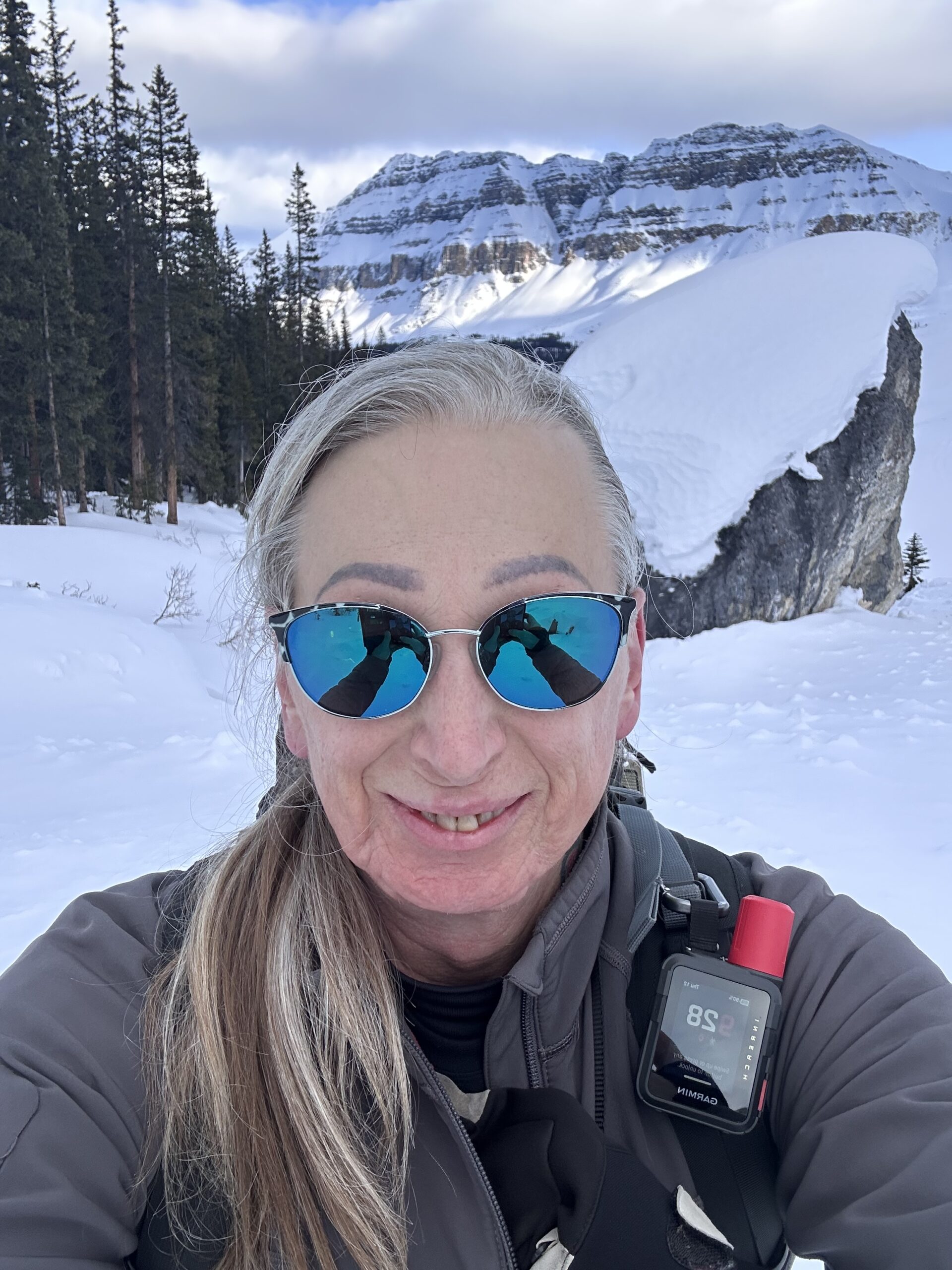
Certified private hiking guide and professional interpretive practitioner based in the Canadian Rockies. With over 25 years of four-season mountain experience, she offers thoughtfully paced hiking experiences that help active adults explore mountain landscapes with care, confidence, and understanding. Meet Niki