
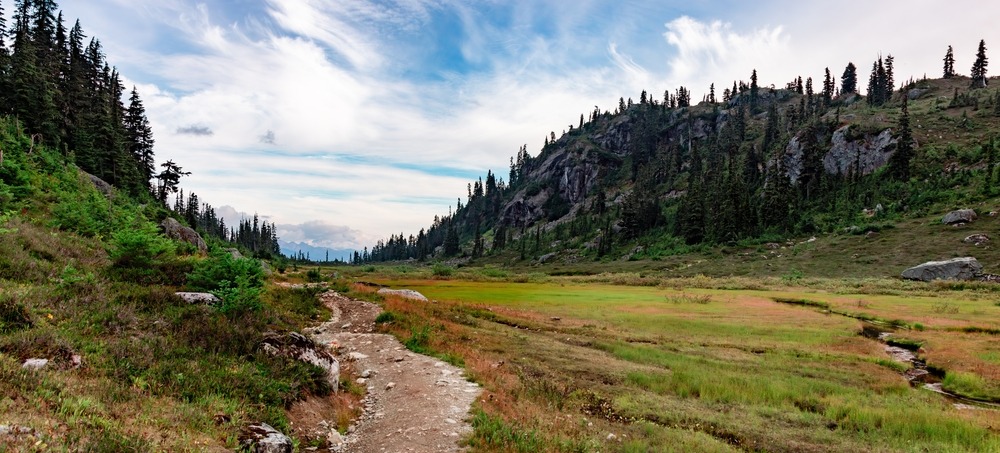
WHAT TO EXPECT ON A PRIVATE GUIDED HIKING DAY
A clear picture of the day, so you can relax into it
Private guided hiking days are calm, personal, and attentive. They are designed to feel steady and well paced rather than rushed or overly managed.
Most guests describe the experience in simple ways:
steady rather than strenuous
engaging without being overwhelming
informative without feeling like a lecture
personal without being intrusive
spacious, calm, and memorable
What stays with people is rarely just the destination. More often, it is the feeling of the day: a calm start, a route that made sense, breaks that came at the right time, and enough space for the landscape to come forward.
If you want to understand how the process works from first conversation to trail day, start with How It Works. If you want to understand the guiding philosophy and decision-making behind the day, continue to How I Guide. If you want the practical details of what is included in a private guided hiking day that article explains the service more clearly.
THE OVERALL FEEL OF THE DAY
A private guided hiking day is not defined by how much ground you cover, a summit, or a checklist.
It is defined by how the day unfolds: its rhythm, its tone, the quiet confidence behind its decisions, and the way it leaves room for presence, observation, and memory.
Some guests want a gentle, scenic day with time to pause, notice, and settle into the landscape.
Others want a stronger day with more movement, more elevation, or a more substantial objective, as long as it is chosen well and paced with care.
Both are possible.
What matters is that the day feels coherent. It should feel like it fits you, not like you are trying to fit yourself into someone else’s itinerary.
TERRAIN AND DISTANCE
Journeys take place on well-defined, non-technical trails.
Most days include:
roughly 6–12 km of hiking, adjusted as needed
moderate elevation gain suited to your comfort
natural pauses for rest, views, and conversation
Routes are chosen for flow, safety, and experience quality, not for status or difficulty. Challenge, when it increases, tends to come through distance, elevation, and timing rather than exposure or technical terrain.
No scrambling. No exposure. No performance culture. Just a mountain day that fits.
PACING
Pacing is comfort-forward.
We move steadily, with room to pause, notice, and adjust. Breaks happen naturally, not on a stopwatch. On longer or more ambitious days, pacing is structured early so energy remains consistent throughout the return.
There is no group pace to follow.
No pressure to keep up.
No fixed itinerary that matters more than how the day is actually going.
For many guests, this alone changes everything.
Private guiding leaves room:
to move naturally
to adjust early
to notice more
for the day to feel like your own
If pace is one of your concerns, whether you are too slow for guided hikes speaks directly to that question.
Choose the Best Next Step for Your Trip
INTERPRETATION
Every day includes professional interpretive guiding, offered in a way that supports the rhythm of the walk rather than interrupting it.
Interpretation is:
thematic rather than scattered
grounded in what we are actually seeing
woven into the day rather than delivered as a talk
responsive to curiosity, energy, and preference for quiet
You may gain context around geology, ecology, wildlife movement, fire, weather, and human history in the region. The intention is not to overload you with information. It is to help you see the place more clearly, and to leave with something deeper than a photograph or a viewpoint.
Some guests enjoy learning throughout the day. Others prefer longer stretches of silence, with interpretation offered more lightly. Both are welcome.
WEATHER AND CONDITIONS
Mountain conditions change.
Part of the value of private guiding is choosing the right location, timing, and route for the actual conditions of the day. If weather or trail conditions shift, plans can adapt. Flexibility is built in from the start.
The goal is not to push through an idea of the day that no longer fits. It is to keep the experience coherent, safe, and enjoyable as reality unfolds.
If you want to understand that side of guiding more deeply, How Hiking Guides Read Mountain Weather in the Rockies is a useful companion article.
THE KIND OF PLACES THESE DAYS FAVOUR
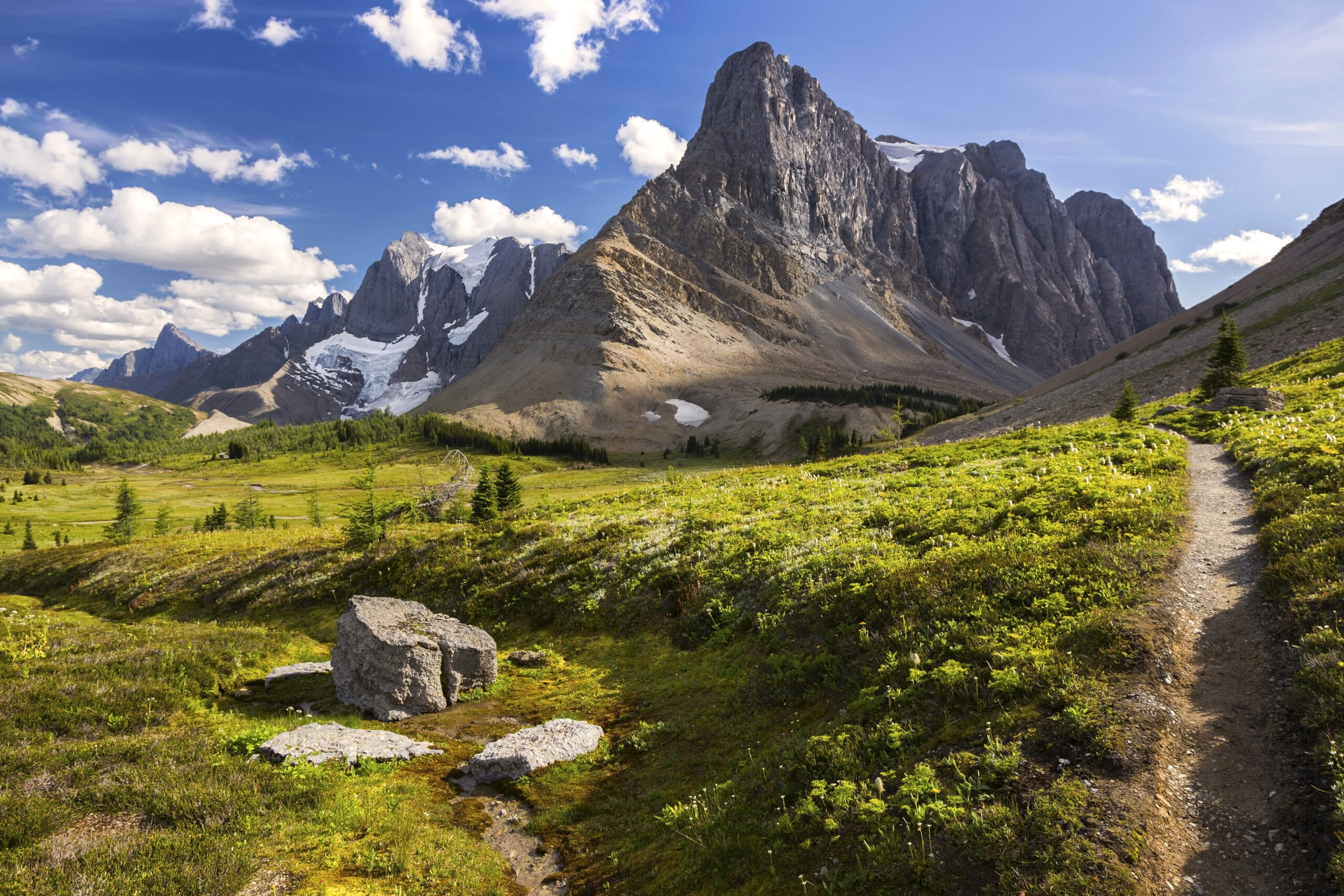
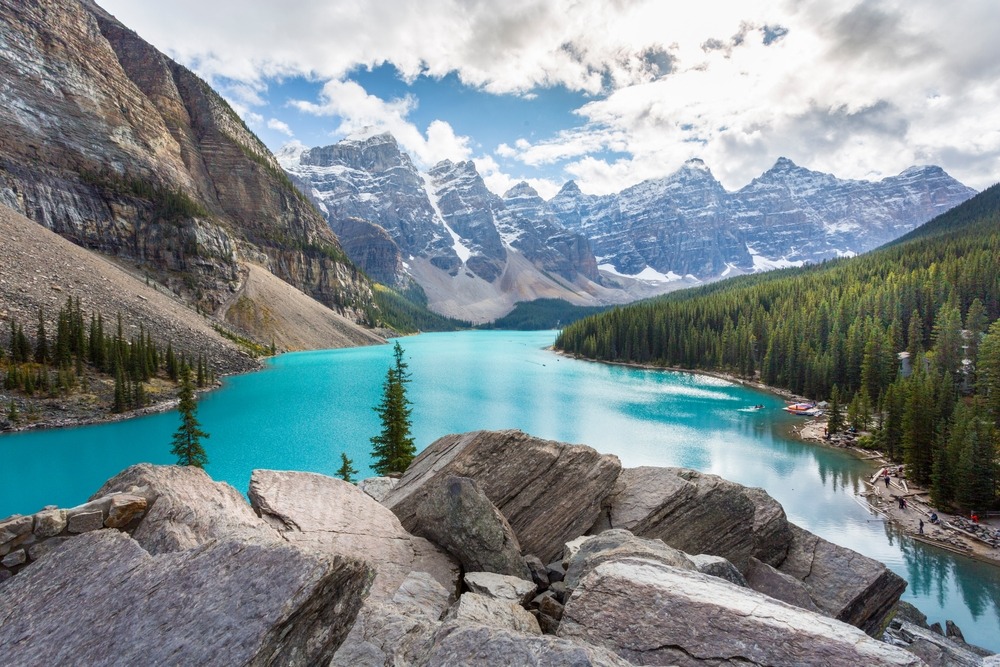
Some days unfold in iconic locations, especially when season, timing, and conditions allow those places to be experienced well.
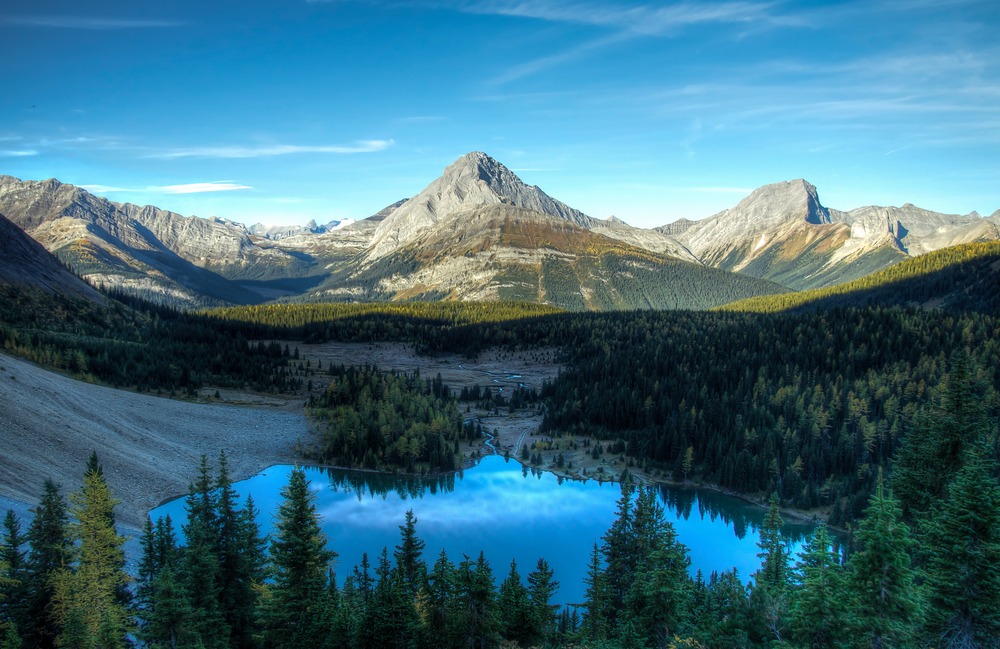
Others are shaped around quieter valleys, less congested trailheads, and provincial mountain parks where the day can move more naturally and with less friction.
The goal is not to chase famous names for their own sake. It is to choose places that create the best overall experience for the kind of day you want.
For many guests, that means discovering that a quieter corridor can feel far more memorable than the busiest iconic route.
WHAT YOU DO NOT NEED TO WORRY ABOUT
You do not need to:
keep up with a group
rush to a destination
prove anything
know the right route in advance
manage timing and logistics throughout the day
You simply need to arrive prepared and curious.
If you are wondering whether guided hiking is right for active adults over 50 that article may help you decide whether this kind of private, well-paced experience fits the way you want to move through the mountains.
WHAT TO BRING
Before your hike, you will receive clear guidance on:
footwear
clothing layers
weather protection
food and water
any personal items worth considering
No technical gear is required for these hikes. Mountain conditions in the Rockies can change quickly, so the goal is to arrive prepared without overcomplicating things.
Trekking poles, cleats, and snowshoes may be available on request depending on the day and location.
If transportation or meeting logistics are part of your planning, whether you need a car for a private guided hike explains how meeting points, trailhead access, distance, and drive time affect the day.
WHAT GUESTS OFTEN REMEMBER MOST
What guests often remember most is not just where they went.
It is how the day felt:
a calm start
steady movement
a route that made sense
breaks that came at the right time
a landscape that had room to come forward
a pace that never felt like a test
By the end of the day, many guests describe something quieter than accomplishment alone:
a sense that the day felt whole
that nothing important was rushed
that they were able to notice more than they usually do
that the mountains felt less like an attraction and more like a place they had actually been with
That is what these days are designed to protect.
IF THIS SOUNDS LIKE THE RIGHT FIT
These days are especially well suited to guests who value:
privacy
thoughtful pacing
interpretation and perspective
calm structure
a day shaped around them rather than delivered from a preset menu
Many are active adults 50+ who want something more personal, spacious, and intelligently paced than a standard guided outing. Others are simply looking for a mountain day that feels quieter, more grounded, and more meaningful than the busiest versions of Rockies travel.
COMMON QUESTIONS ABOUT WHAT TO EXPECT
DO I NEED TO BE HIGHLY EXPERIENCED?
No. You do not need to be a highly experienced hiker.
You do need to be reasonably fit and comfortable walking for several hours on mountain trails at a steady, unhurried pace. Routes are chosen around your comfort with distance, elevation, and terrain, so the goal is not to prove anything. It is to create a day that feels well matched and enjoyable from beginning to end.
If you are unsure whether you are fit enough to hike in Banff that article offers a more detailed way to think about fitness, pace, and comfort.
WHAT IF I’M WORRIED I MIGHT BE TOO SLOW?
That concern comes up more often than most people expect.
Private guided hiking is not built around keeping up with a group or matching someone else’s speed. The day is shaped around a pace that feels steady and sustainable for you.
WHAT IF WE HIKE AT DIFFERENT PACES?
That is very common, especially for couples or travel partners.
One of the advantages of a private day is that pacing, breaks, and route choices can be shaped around two different rhythms without one person feeling rushed or the other feeling held back.
CAN WE TURN BACK EARLY IF I GET TIRED?
Yes.
Private guided hiking allows the day to stay flexible if energy, weather, or trail conditions shift. Turning back early is never treated as failure. It is simply part of making good decisions in the mountains.
WHAT IS THE TRAIL SURFACE LIKE?
Journeys take place on well-defined, non-technical mountain trails, but that does not mean every section feels the same.
Depending on the route and season, trail surfaces may include dirt, roots, rocks, uneven ground, short steeper sections, mud, or lingering shoulder-season ice. Part of the planning process is choosing terrain that feels realistic and comfortable for you, not just appealing on paper.
DO YOU PROVIDE TREKKING POLES, CLEATS, AND SNOWSHOES?
Trekking poles, cleats, and snowshoes are available on request depending on the day and location. Many guests find these especially helpful on descents, uneven ground, or longer days where extra stability makes the experience feel easier and more comfortable. Snowshoes are essential for winter guided hikes.
ARE THERE BATHROOM ACCESS CONSIDERATIONS?
Yes, and it is completely fine to ask about them.
Bathroom access varies by trailhead and route. Some locations have facilities at the start, while others do not. If this matters to you, it can be discussed easily during planning so the day feels more comfortable from the beginning.
WHAT HAPPENS NEXT
If this sounds like the kind of day you have been hoping for, the next step is simply a conversation.
We begin by talking through your dates, where you are staying, your hiking background, your natural pace, and the kind of experience you want most from your time in the Rockies.
From there, I can suggest places, pacing, and route structure that are most likely to fit well.
There is no pressure to commit.
The goal is simply to make the possibilities clearer and shape a day that feels genuinely right for you.