Many visitors arrive in Banff expecting “easy” hikes to feel relaxed and accessible. The trail descriptions sound manageable. The distances look reasonable. The elevation gain doesn’t appear dramatic on paper.
And yet, somewhere along the way, the day feels heavier than expected. Not because the trail is extreme, but because the experience unfolds differently than the label suggests.
Not impossible.
Not unsafe.
Just harder than the word easy seemed to promise.
For capable, active adults, especially after 50, this experience is common. And it rarely has anything to do with fitness.
In many cases, it’s the same pattern described in When a Guided Day Feels Harder Than It Should, where structure, not ability, shapes how the day feels.
Why Easy Hikes Feel Hard in the Canadian Rockies
In mountain environments, “easy” is a relative term.
It often means:
-
Non-technical
-
Well-defined trail
-
No scrambling
-
Moderate distance
It does not necessarily mean:
-
Minimal elevation gain
-
Gentle footing
-
Even terrain
-
Low physiological demand
In Banff and the surrounding Canadian Rockies, even well-graded trails gain elevation quickly. A 6 km hike can include sustained uphill travel at altitude. Switchbacks add steady cardiovascular demand. Rocky footing requires attention and balance. Descents can load knees more than expected.
None of this is extreme.
But combined, it explains why easy hikes feel hard, especially when expectations are shaped by simplified ratings.
How Altitude Effects Hiking in Banff
Banff sits at roughly 1,400 metres (4,600 feet) above sea level. Many trailheads begin higher than that.
The altitude effects hiking in Banff are subtle but real. Even modest elevation affects breathing, hydration, and recovery.
A hike that would feel moderate near sea level can feel distinctly harder in the Rockies, not because something is wrong, but because the body is adapting.
After 50, adaptation still happens. It may simply take a little more time. That doesn’t mean ability has declined. It means physiology responds honestly to environment.
Mountain air doesn’t negotiate.
This is also why pacing matters more than most people expect, especially early in the day, as explored in How to Pace a Hike in the Canadian Rockies.
Banff Trail Difficulty Ratings vs. Lived Experience
Guidebooks and tourism sites often list distance and elevation.
Banff trail difficulty ratings are generally accurate in technical terms. They help distinguish non-technical trails from scrambling routes or exposed terrain.
What they rarely describe is:
-
The consistency of the grade
-
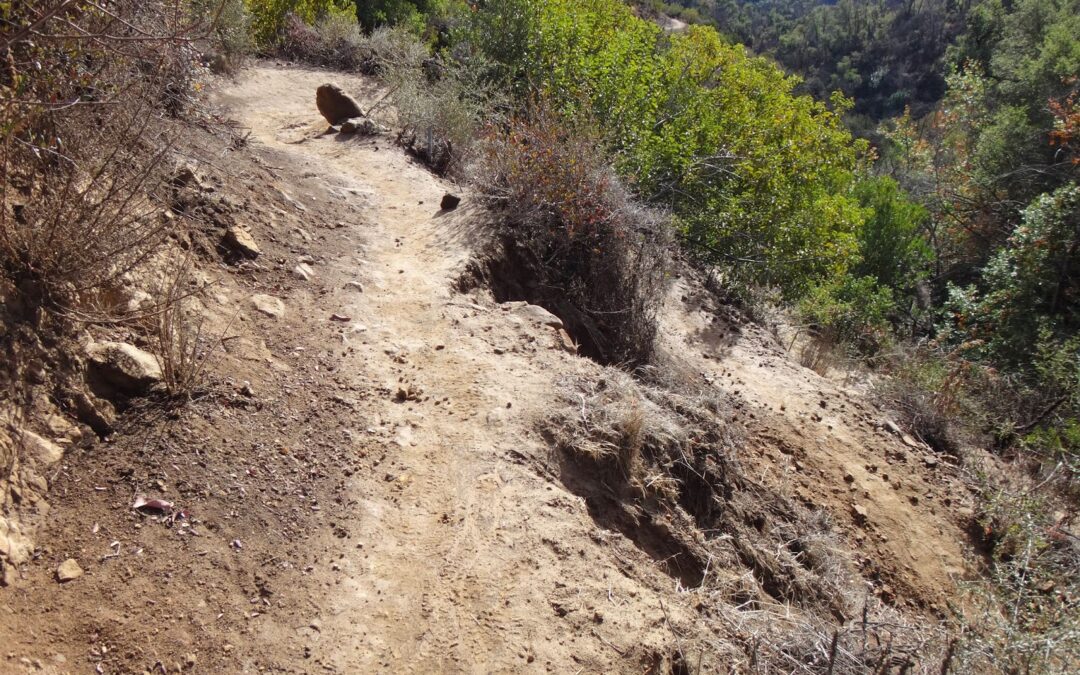
The looseness of the footing
-
The size of steps cut into rock
-
The rhythm of the trail
A trail with steady, uninterrupted climbing feels very different from one with natural breaks in grade.
Rocky footing requires micro-adjustments in balance.
Long descents fatigue stabilizing muscles.
Short, steep pitches spike heart rate repeatedly.
On paper, it’s still labeled “easy.”
But the lived experience tells a more detailed story.
For many hikers, this is also the moment a quieter question appears: Am I fit enough to hike in Banff?
This gap between description and experience is one of the main reasons hikers question their ability when nothing is actually wrong, a pattern explored further in Am I Too Slow for Guided Hikes.
Hiking Difficulty After 50: A Subtle Shift
For many active adults, something subtle shifts over time.
There’s less interest in pushing through discomfort just to reach a viewpoint. Less desire to “keep up.” Greater awareness of how pace shapes the entire day.
Hiking difficulty after 50 is rarely about reduced capability. It’s more often about rhythm, recovery, and how terrain interacts with accumulated experience.
When effort feels mismatched to expectation, the body notices. So does the nervous system.
It’s not that the hike is too hard.
It’s that the design of the day may not match how you prefer to move, a shift explored more deeply in Why Guided Tours Don’t Feel Right After 50
That distinction matters.
The Role of Pace, Margin, and Route Design
Often, what feels uncomfortable isn’t the terrain itself.
It’s the mismatch between:
-
The label and the lived experience
-
The assumed pace and your natural rhythm
-
The group’s momentum and your preferred steadiness
When a hike is described as “easy,” people expect margin. They expect room to settle into movement.
If the trail demands steady climbing from the first kilometer, that margin disappears quickly.
The result isn’t failure.
It’s friction.
Sometimes what’s needed isn’t an “easier” hike, but a day designed with more structural space.
That structure, pace, timing, and decision-making, is what keeps the day from tightening, something I describe more fully in How Good Guiding Holds Risk Quietly.
How to Choose an “Easy” Hike That
Actually Feels Right
Instead of focusing only on distance, consider:
-
How sustained the elevation gain is
-
Whether the grade includes natural pauses
-
The altitude of the trailhead
-
The terrain underfoot
-
The time of day and seasonal conditions
Sometimes a slightly longer trail with gentler grade feels easier than a shorter, steeper route.
Sometimes starting earlier, pacing more deliberately, or building in seated breaks changes the entire tone of the day.
Sometimes what changes everything is having someone interpret the terrain before you step onto it.
If you’re unsure how to interpret difficulty ratings or want a day structured around your pace and energy, you can learn more about Private Guided Hiking in the Canadian Rockies or Begin a Conversation.
A More Useful Definition of “Easy” in the Rockies
In the Canadian Rockies, “easy” might be better understood as:
Non-technical.
Well-marked.
Accessible to reasonably fit hikers.
It does not always mean effortless.
For capable adults over 50, the goal is rarely to prove something. It’s to move well, breathe fully, and leave with energy intact.
If you want a clearer sense of how that kind of day can actually feel on the trail, you may also want to read What a Private Guided Hiking Day Feels Like.
When trail ratings are interpreted with context, terrain, altitude, rhythm, the mismatch softens.
The hike doesn’t change.
Your understanding of it does.
Why do easy hikes feel hard in Banff?
In mountain environments, “easy” often refers to technical simplicity rather than physical effort. Sustained elevation gain, altitude, and uneven footing can make even short hikes feel more demanding than expected.
Are Banff trail difficulty ratings reliable?
They’re generally accurate in technical classification, but they don’t always reflect sustained climbing, altitude effects, or how terrain feels over time.
Does hiking difficulty change after 50?
For many active adults, hiking difficulty after 50 feels different not because of reduced ability, but because pacing preferences and recovery rhythms change. Altitude and sustained grade can also feel more noticeable.
How can I choose a hike that matches my ability?
Look beyond distance. Consider elevation gain consistency, altitude, trail surface, and where natural rest points occur. Sometimes a longer, gentler trail feels easier than a shorter, steeper one.
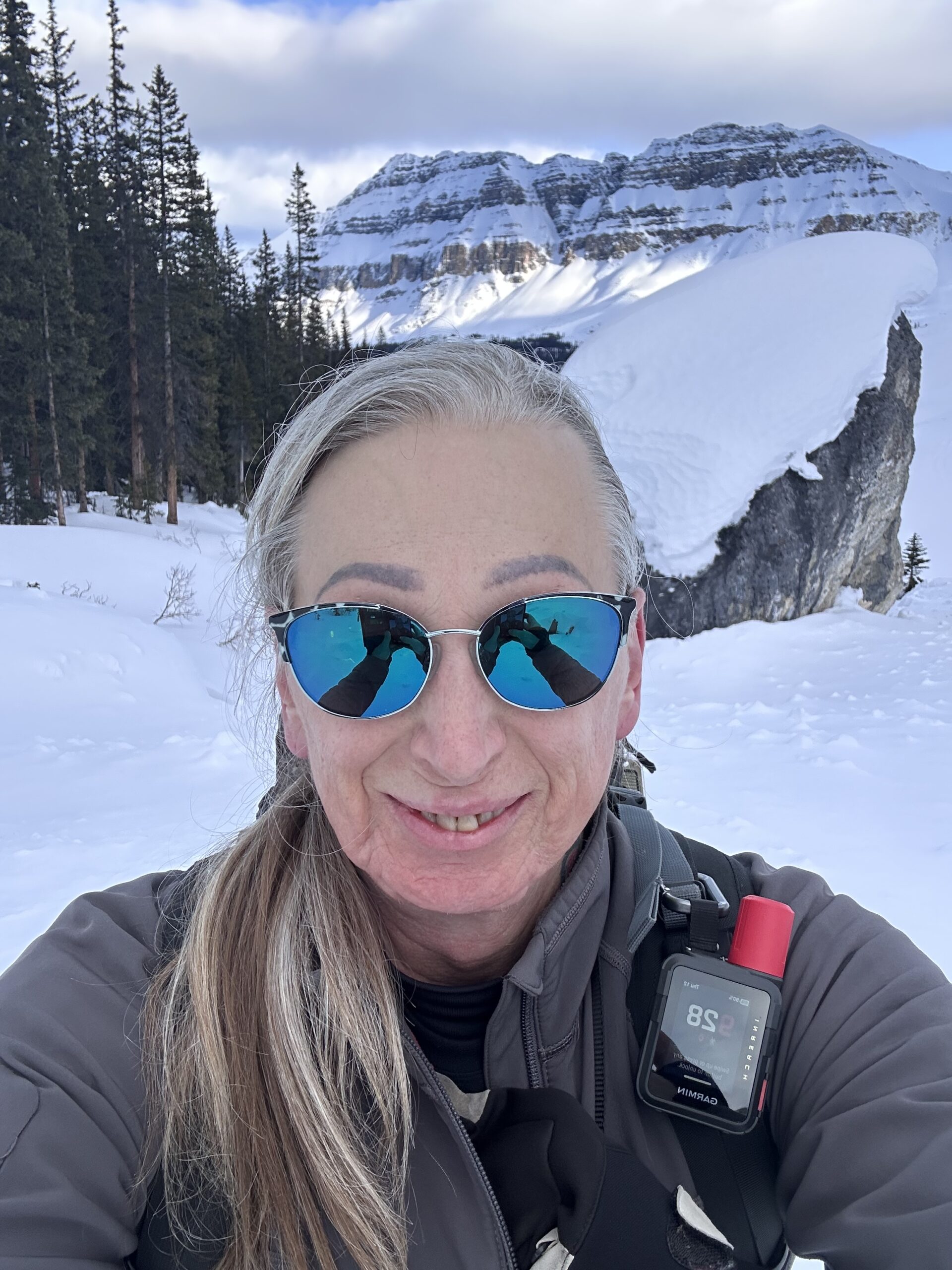
Certified private hiking guide and professional interpretive practitioner based in the Canadian Rockies. With over 25 years of four-season mountain experience, she offers thoughtfully paced hiking experiences that help active adults explore mountain landscapes with care, confidence, and understanding. Meet Niki