Forest Trails and River Landscapes Along the Front Ranges
Many visitors exploring the Canadian Rockies focus first on Banff National Park or the alpine landscapes surrounding Lake Louise. Those places are deservedly famous, but they represent only one part of the broader mountain system stretching along Alberta’s western edge.
Just east of Banff lies a landscape that marks the transition between the high mountains of the Rockies and the rolling foothills leading toward Calgary.
Bow Valley Provincial Park protects a stretch of forested valley along the Bow River where mountain slopes begin to soften and the terrain gradually opens toward the plains. Although the peaks here are lower than the dramatic alpine summits farther west, the scenery still reflects the rugged character of the Front Ranges of the Canadian Rockies.
For hikers and travelers looking for beautiful mountain scenery in a quieter setting, Bow Valley Provincial Park offers a different kind of Rockies experience, one defined by forest trails, river valleys, and expansive views across the foothills.
To understand how this area connects with the wider landscape, see Kananaskis Country: Alberta’s Provincial Parks, which explores the network of provincial mountain parks south of Banff.
Heres how this landscape fits into a full Rockies trip, see How to Plan a Trip to the Canadian Rockies.
THE LANDSCAPE OF BOW VALLEY PROVINCIAL PARK
Bow Valley Provincial Park lies along the Bow River corridor between the town of Canmore and the foothills stretching toward Calgary.
The valley here is broader and more open than the alpine basins deeper in the Rockies. Forested slopes rise above the river while long ridgelines extend eastward toward the rolling terrain of the foothills.
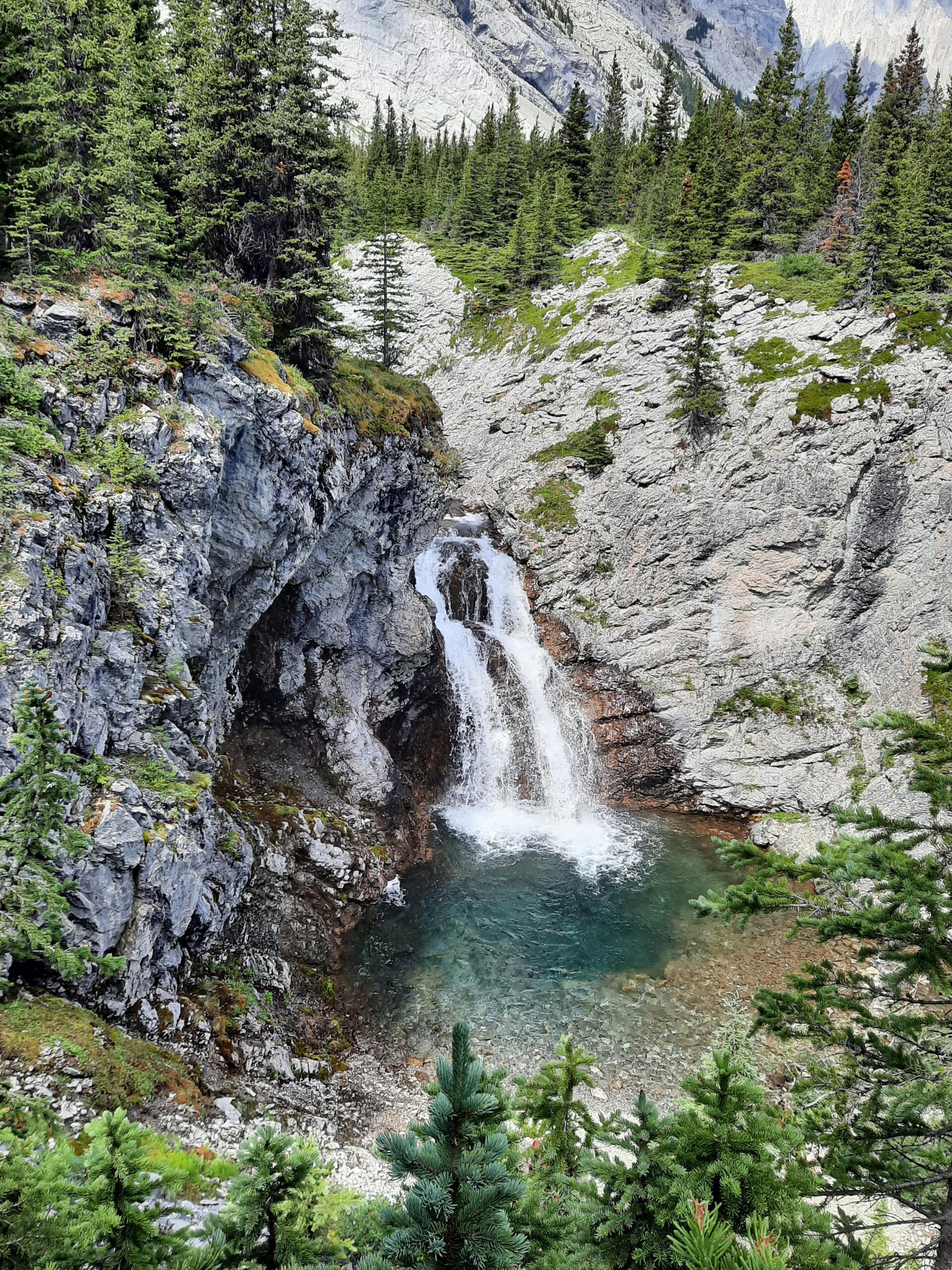
Because of this geography, the park offers a mixture of landscapes that feel both mountainous and transitional. Trails pass through mixed forests, open meadows, and rocky ridges where views extend across the Bow Valley and surrounding peaks.
The Bow River itself forms the central feature of the park. Flowing eastward from the glaciers of Banff National Park, the river winds through gravel bars, wetlands, and riparian forests that support a rich variety of plant and animal life.
This combination of river landscapes, forest terrain, and open foothill ridges gives Bow Valley Provincial Park a character distinct from the alpine environments farther west.
ECOLOGY AND WILDLIFE IN THE BOW VALLEY
Bow Valley Provincial Park sits within one of the most important wildlife corridors in the Canadian Rockies.
Wildlife movement through this valley is part of a much larger system connecting the mountains and foothills. I explore this more fully in Wildlife Corridors in the Bow Valley and Tourism Pressure.
The Bow River valley provides a natural route for animals moving between the high mountain ranges of Banff and the lower foothills of southern Alberta. As a result, the region supports a diverse range of wildlife.
Elk and deer are frequently seen along valley bottoms and open meadows. Black bears and grizzly bears move through the region seasonally, following food sources such as berries and roots. Coyotes, wolves, and mountain lions also inhabit the surrounding landscape, although they are seen far less frequently.
The forests within the park contain a mixture of lodgepole pine, spruce, and fir, while open slopes support grasses and shrubs typical of foothill ecosystems.
Wetlands and riverbanks along the Bow River create important habitat for birds and aquatic species. During certain times of year, visitors may see waterfowl, eagles, and osprey moving through the valley.
Because the park protects such an important wildlife corridor, responsible travel practices—such as staying on established trails and carrying bear spray—help protect both visitors and the animals that inhabit the region.
GEOLOGY OF THE FRONT RANGES
The mountains surrounding Bow Valley Provincial Park belong to the Front Ranges of the Canadian Rockies, a region formed through massive tectonic forces roughly 80 million years ago.
During that time, layers of ancient seabed rock were pushed eastward along large thrust faults as the Rocky Mountains began rising from the landscape.
Over millions of years, erosion and glaciation shaped the ridges and valleys that define the region today. Glaciers flowing eastward carved the Bow Valley and helped create the wide river corridor visible today.
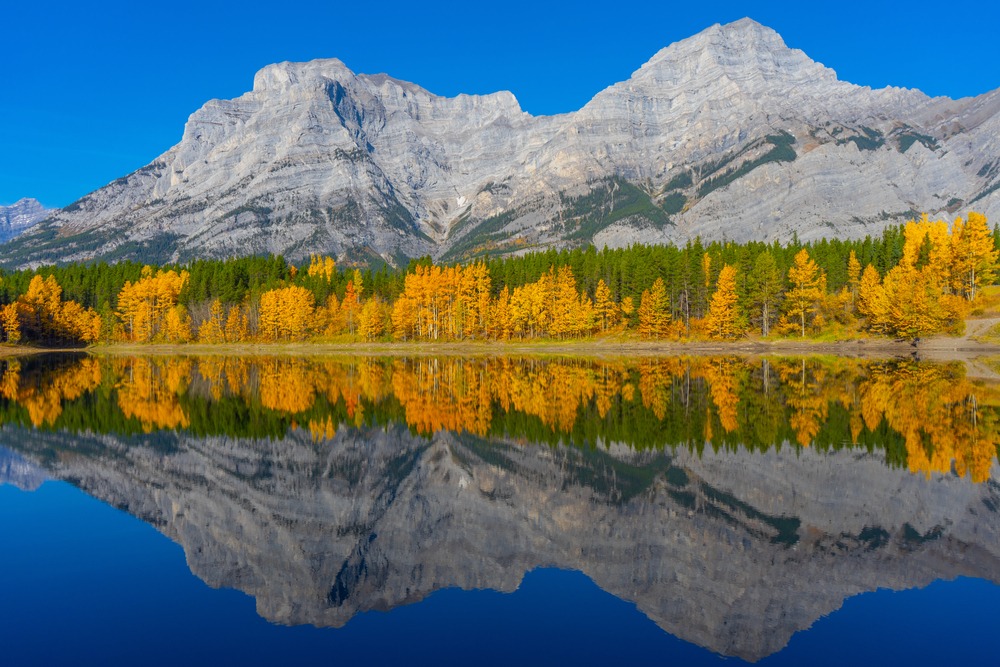
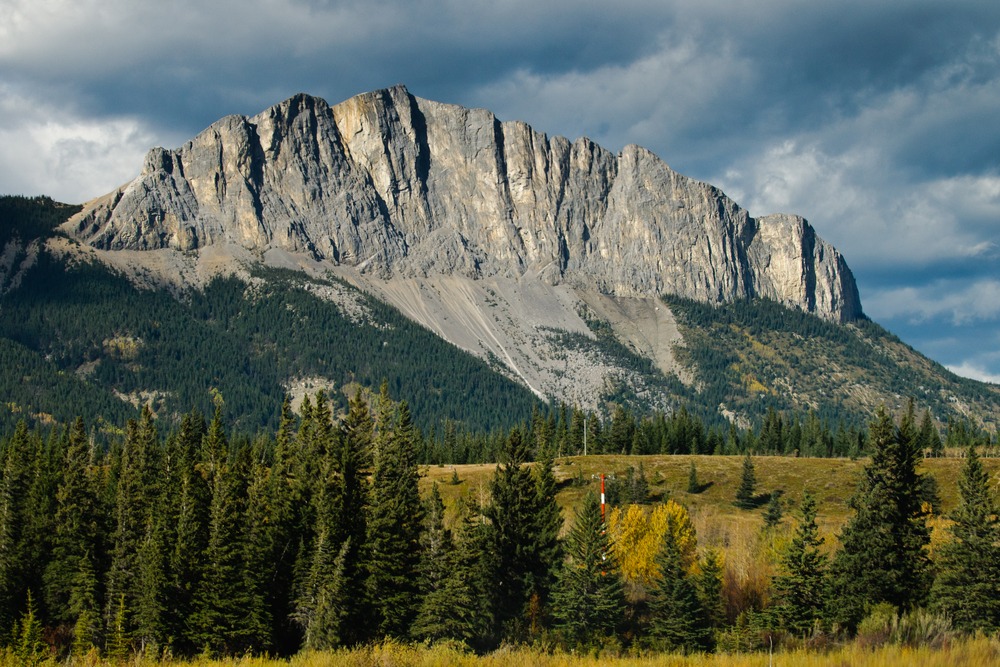
Compared with the high alpine peaks deeper in the Rockies, the Front Ranges often appear more rounded and accessible. These mountains still rise dramatically above the valley floor, but their slopes frequently support forests and grasslands rather than bare alpine rock.
This combination of geological history and erosion created the mixed landscapes that now characterize Bow Valley Provincial Park.
SCENIC LANDSCAPES AND HIKING AREAS
Several areas within Bow Valley Provincial Park provide particularly scenic opportunities for hiking and exploring the valley.
Prairie View and Barrier Lake
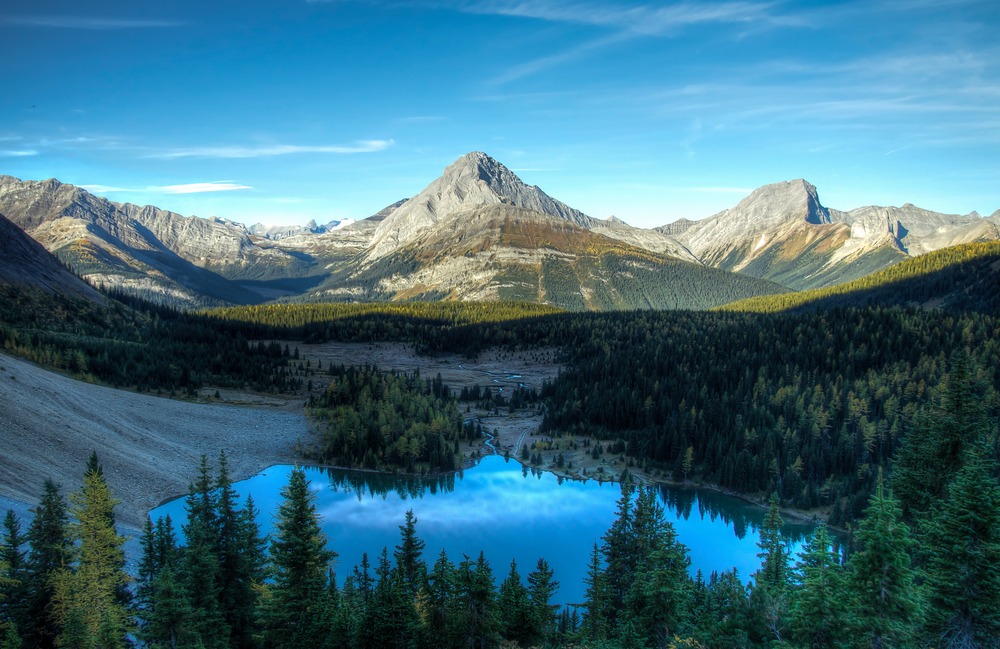
A popular trail climbs above Barrier Lake toward Prairie View, where sweeping vistas reveal the Bow Valley and surrounding mountains.
Heart Mountain
Located near the park boundary, this distinctive ridge offers one of the most recognizable hiking objectives in the area.
Many Springs and Flowing Water Trails
These gentle forest trails follow wetlands and river channels near the Bow River, providing quieter landscapes ideal for relaxed walks.
Ridge Trails Above the Valley
Several routes climb toward open ridges overlooking the Bow Valley, offering expansive views across the foothills and surrounding peaks.
You can explore these routes in more detail in Bow Valley Provincial Park Hiking | Forest Trails and Wildlife Corridors.
SEASONAL CHARACTER OF THE PARK
Because Bow Valley Provincial Park sits at lower elevation than many alpine areas of Kananaskis Country, hiking conditions here often develop earlier in the year.
Spring arrives sooner in the valley, with snow melting from many trails weeks before higher alpine routes become accessible.
Summer brings warm temperatures and lush forest landscapes along the Bow River corridor. The combination of river valleys and open slopes creates a diverse range of hiking environments.
Autumn introduces cooler temperatures and vibrant colors as grasses and shrubs across the foothills turn shades of gold and red.
Winter transforms the park into a quieter landscape where snowshoeing and winter hiking become possible on many trails.
Because the valley lies along a major travel corridor between Calgary and Banff, Bow Valley Provincial Park remains accessible year-round.
For a seasonal breakdown across the region, see Best Time to Visit Kananaskis for Hiking.
WHY THIS AREA FEELS DIFFERENT FROM BANFF
Visitors arriving from Banff often notice that the character of Bow Valley Provincial Park feels noticeably different from the alpine terrain deeper in the mountains.
Instead of narrow glacial valleys and towering peaks, the landscape here opens gradually toward the foothills. Forested slopes dominate the terrain, and the Bow River provides a constant presence through the valley.
This transition zone between mountains and plains creates a quieter, more spacious feeling than some of the most famous alpine destinations in the Rockies.
This is also one reason some hikes that appear “easy” can feel different in practice. I explore this further in Why Easy Hikes Can Feel Misleading.
For many travelers, Bow Valley Provincial Park becomes a place to slow down and experience the mountains at a more relaxed pace.
A GUIDE’S PERSPECTIVE ON HIKING HERE
After guiding throughout the Canadian Rockies for many seasons, Bow Valley Provincial Park has always stood out as a place where the mountains begin to reveal a different rhythm.
The trails here often move through forests and along river corridors before climbing gradually toward ridgelines overlooking the valley. Instead of dramatic alpine peaks dominating every view, the landscape unfolds more gradually.
For guests joining me on private guided hikes, this environment often creates a calm and comfortable introduction to the Rockies. The terrain encourages steady movement, and the views across the valley provide a sense of scale that helps visitors understand how the mountains transition toward the foothills.
If you’d like help choosing the right Kananaskis hike for your pace, comfort, and goals, explore my private guided hikes in Kananaskis.
This kind of steady pacing early in the day often shapes how the entire experience unfolds. I explore this further in How to Pace a Hike in the Canadian Rockies.
It is also part of what allows a day to feel calm and unforced in the mountains, something I describe more fully in Margin Is What Makes a Day Feel Calm.
HOW BOW VALLEY PROVINCIAL PARK FITS INTO A ROCKIES TRIP
Bow Valley Provincial Park sits along one of the main travel routes between Calgary and Banff National Park.
Because of this location, many travelers encounter the park while entering or leaving the mountains. For some visitors it becomes an ideal place to begin a Rockies trip, offering scenic trails without the higher elevations found deeper in the mountains.
Others explore the park after spending time in Banff or Kananaskis Country, discovering a quieter landscape that provides a different perspective on the Front Ranges of the Rockies.
Either way, Bow Valley Provincial Park offers a reminder that the beauty of the Canadian Rockies extends well beyond the most famous alpine destinations.
Frequently Asked Questions About
Bow Valley Provincial Park
Where is Bow Valley Provincial Park located?
Bow Valley Provincial Park lies along the Bow River corridor west of Calgary and east of Canmore, forming part of the eastern edge of Kananaskis Country. Because it sits between the foothills and the higher mountain parks, it often serves as an accessible introduction to hiking in the Canadian Rockies.
What are the best hikes in Bow Valley Provincial Park?
Popular hiking areas include Prairie View above Barrier Lake, Heart Mountain, and a number of forest and riverside trails near the Bow River. The park offers a mix of ridge hikes, valley walks, and shorter scenic trails, depending on how much time and elevation gain you want to take on.
Is Bow Valley Provincial Park suitable for beginner hikers?
Yes. Bow Valley Provincial Park includes several trails that work well for beginner and moderate hikers, especially those looking for forest paths, river corridors, and shorter climbs. It also contains a few steeper objectives, so the best experience usually comes from matching the route to your pace and comfort level.
Do visitors need a pass to visit Bow Valley Provincial Park?
Yes. Most parking areas within Kananaskis Country require a Kananaskis Conservation Pass. The pass helps support trail maintenance, visitor services, conservation programs, and other park management needs across the region.
When is the best time to hike in Bow Valley Provincial Park?
Because the park sits at lower elevation than many alpine areas of Kananaskis, trails here often become accessible earlier in spring and remain hikeable later into autumn. Summer offers the widest access, while spring and fall can be especially appealing for hikers who prefer cooler temperatures and quieter trails.
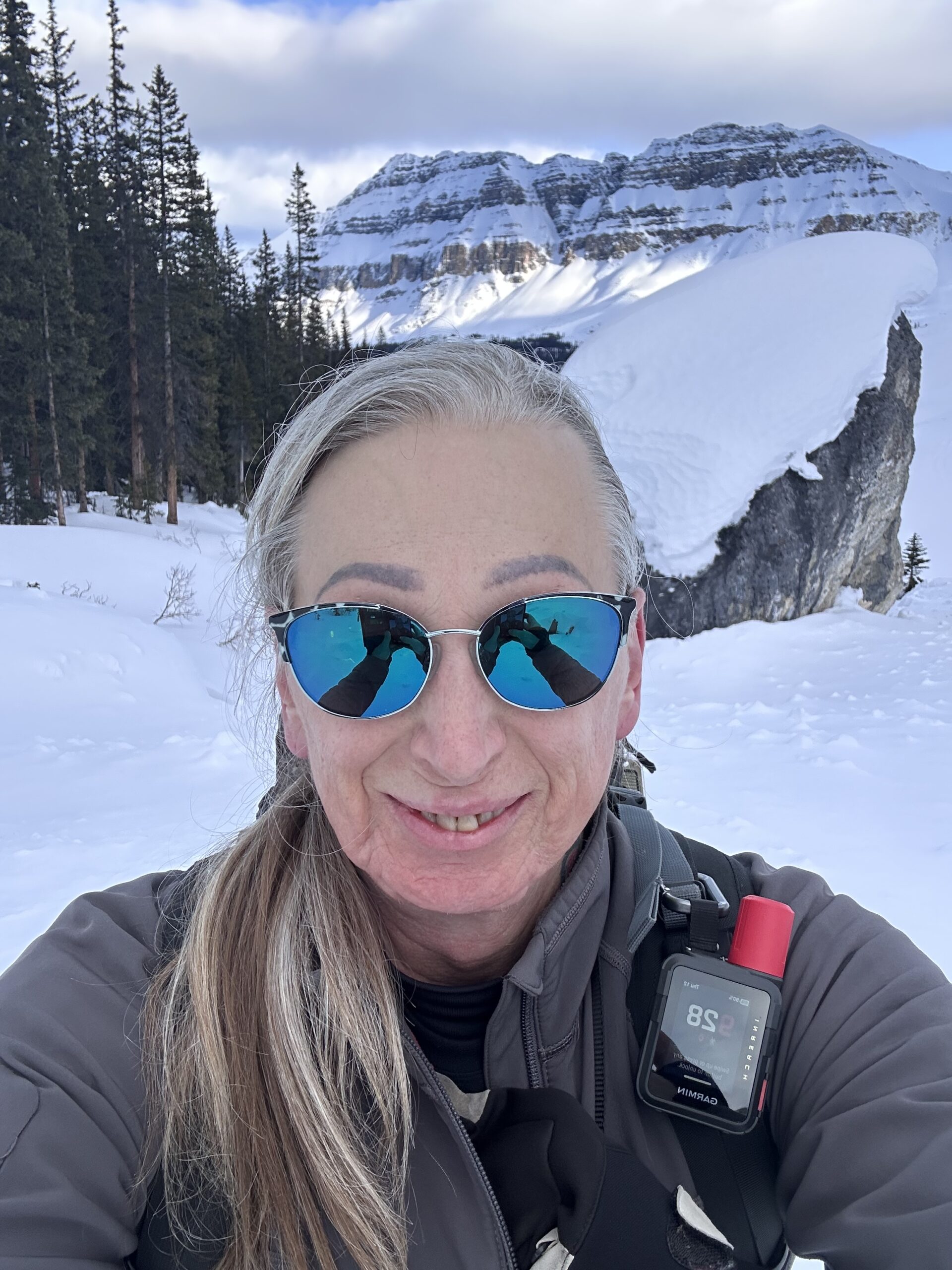
Certified private hiking guide and professional interpretive practitioner based in the Canadian Rockies. With over 25 years of four-season mountain experience, she offers thoughtfully paced hiking experiences that help active adults explore mountain landscapes with care, confidence, and understanding. Meet Niki