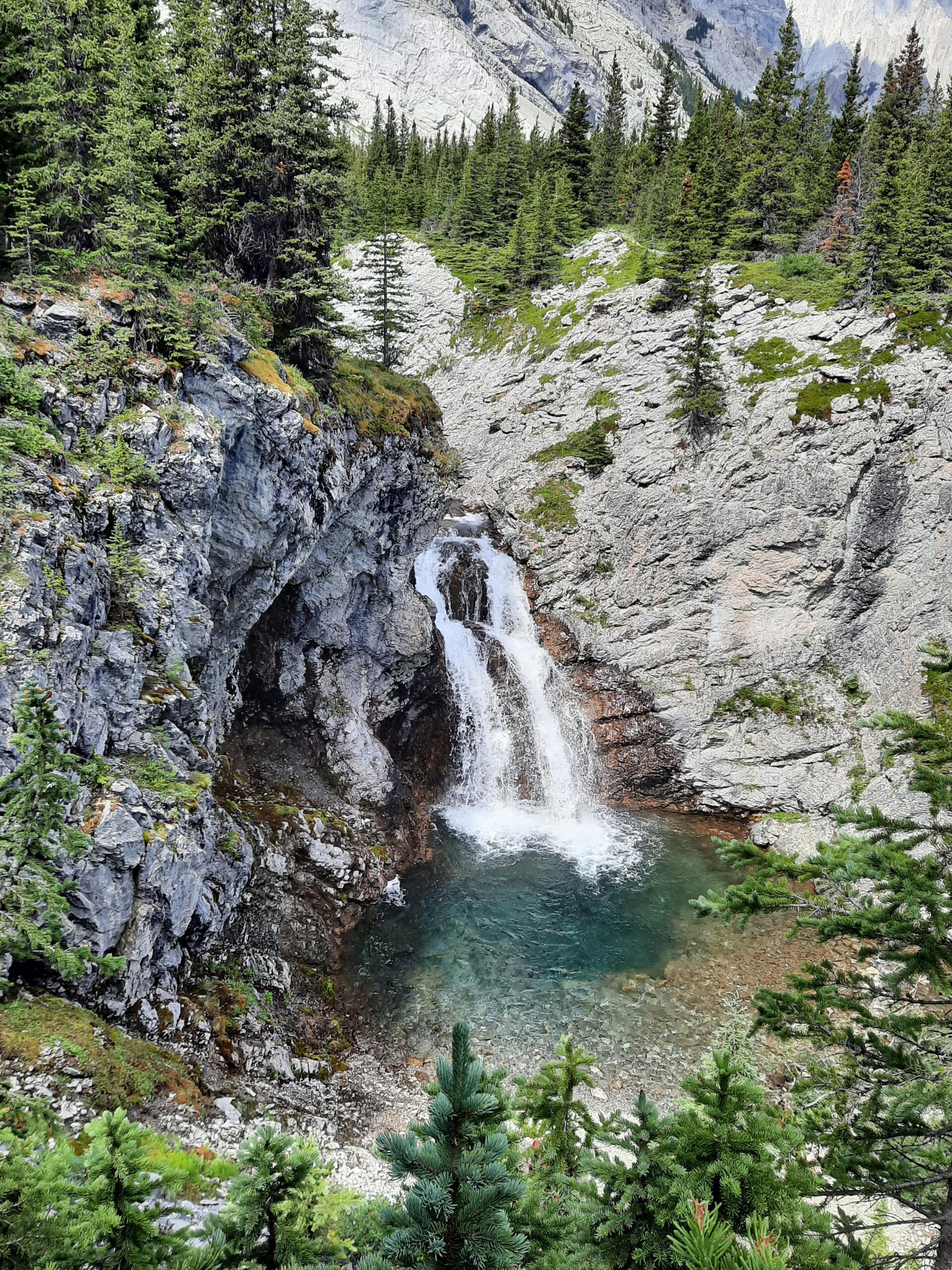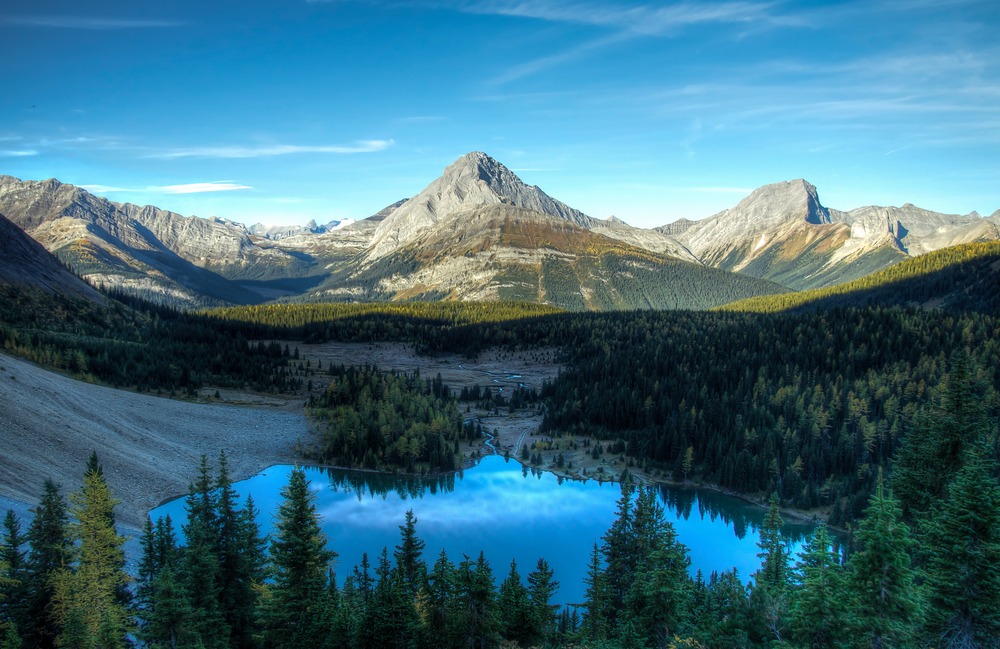
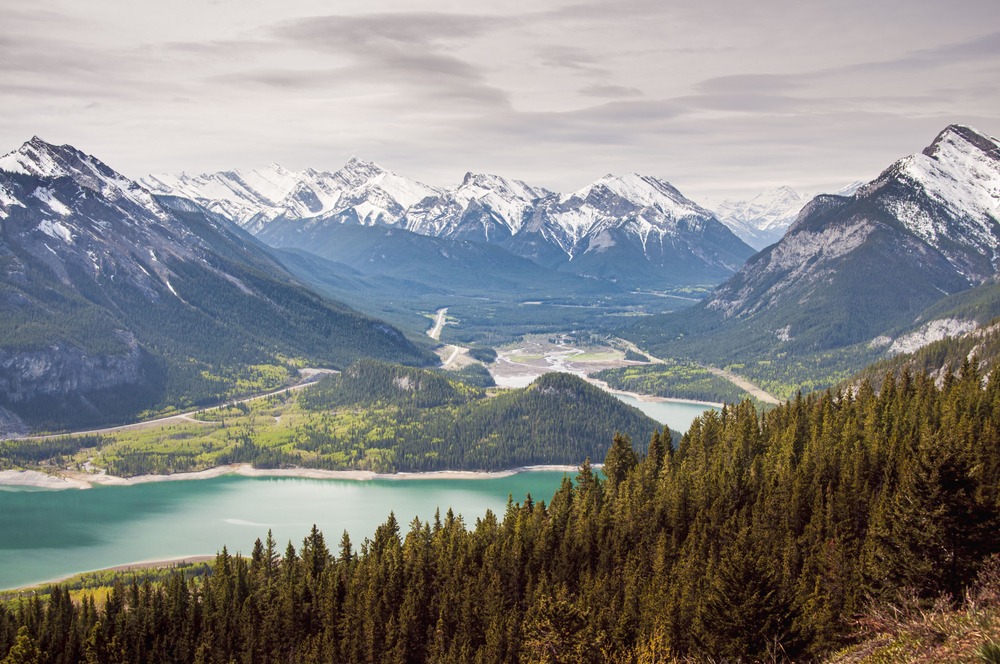
Seasonal Trails, Wildflowers, and Mountain Conditions
Kananaskis Country stretches across a vast section of Alberta’s eastern Rocky Mountain slopes, protecting alpine valleys, ridgelines, lakes, and foothill forests south of Banff National Park.
For hikers planning a trip to the region, one question comes up frequently:
When is the best time to visit Kananaskis for hiking?
The answer depends less on the calendar and more on elevation, terrain, and seasonal snowpack. Some trails become accessible early in spring, while high alpine passes may remain snow-covered well into early summer.
Understanding how the seasons shape hiking conditions in Kananaskis can make a significant difference in choosing the right routes and planning a comfortable mountain day.
For a broader look at how season, terrain, and pacing shape a trip across the region, see How to Plan a Trip to the Canadian Rockies.
HOW SEASON AFFECTS HIKING IN KANANASKIS
Unlike mountain regions with relatively uniform terrain, Kananaskis contains a wide range of elevations.
Foothill forests near Bragg Creek sit at roughly 1,300 meters, while alpine passes such as Highwood Pass rise above 2,200 meters.
This elevation difference means that hiking seasons vary significantly across the region.
Lower valleys often become accessible weeks earlier than high alpine terrain.
For example:
-
Bragg Creek and Bow Valley trails often open first
-
Peter Lougheed Provincial Park follows later in the season
-
Highwood Pass alpine hikes may remain snow-covered into early summer
Because of these differences, the “best time” for hiking often depends on the type of landscape you want to experience.
A broader overview of the region can be found in Hiking Kananaskis Country: Alberta’s Provincial Parks.
SPRING HIKING IN KANANASKIS
(May – June)
Spring marks the beginning of hiking season in many lower parts of Kananaskis.
Snow begins melting from foothill forests and valley trails, while higher alpine areas gradually transition from winter conditions.
During this period, hikers can expect a mix of conditions depending on elevation:
-
dry sections of trail
-
muddy areas during snowmelt
-
lingering snow in shaded forest
-
icy sections during early morning
Lower elevation hikes in Bragg Creek and Bow Valley Provincial Park hikes often provide some of the first accessible hiking opportunities of the season.
Because of the transitional nature of spring, flexibility in route choice can help create more comfortable hiking days.
SUMMER HIKING IN KANANASKIS
(July – August)
Summer offers the most consistent hiking conditions across the entire region.
By mid-summer, most alpine terrain becomes accessible, allowing hikers to explore the full range of landscapes in Kananaskis.
This includes:
-
alpine lakes in Peter Lougheed Provincial Park
-
ridge hikes near Highwood Pass
-
expansive valleys in Spray Valley Provincial Park
Summer is also the season when alpine wildflowers reach their peak.
Wildflower displays are especially strong near Highwood Pass, where alpine slopes often fill with color beneath the surrounding peaks. You can explore this further in Wildflowers in Kananaskis, where bloom timing and elevation patterns are explained in more detail.
Although summer provides the widest trail access, it is also the busiest time of year in popular areas.
Starting earlier in the day often leads to a more relaxed hiking experience.
AUTUMN HIKING IN KANANASKIS
(September – Early October)
Early autumn is one of the most beautiful times to hike in Kananaskis.
Cooler temperatures, clearer air, and quieter trails create ideal conditions for many mountain routes.
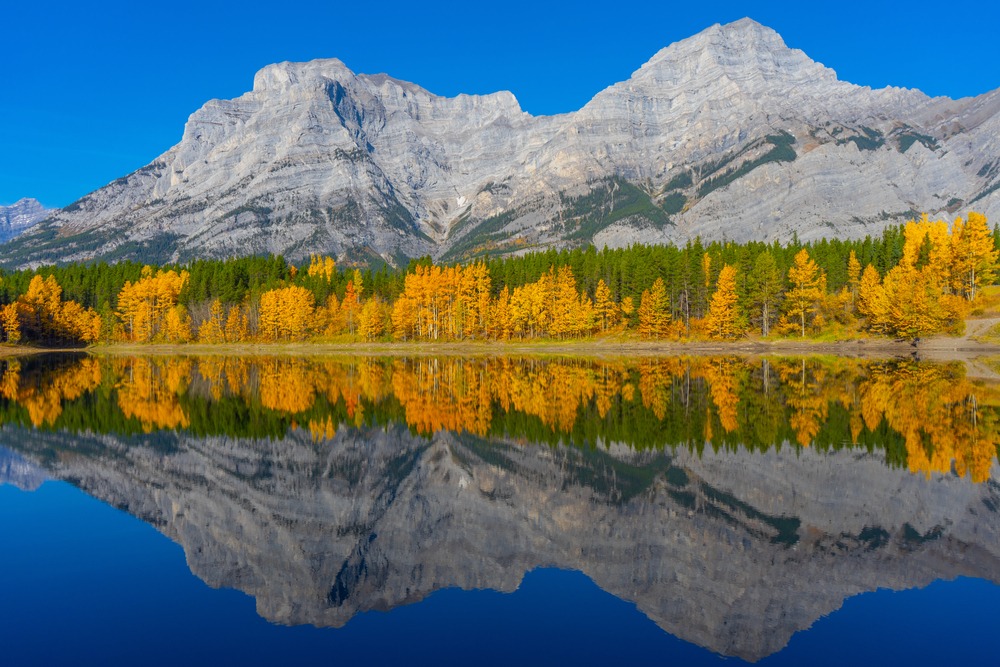
One of the most anticipated seasonal changes is the larch season.
Alpine larch trees turn brilliant gold for a short window in September, transforming valleys such as:
-
Chester Lake
-
Burstall Pass
-
Tyrwhitt Meadows
Because the larch season is brief, these areas can become popular during peak color.
Starting early or choosing longer routes often helps create a calmer experience.
WINTER HIKING IN KANANASKIS
(November – April)
Winter brings a completely different style of mountain travel.
Many trails become snow-covered, and hiking transitions toward winter activities such as:
-
snowshoeing
-
winter walking
-
backcountry skiing
Lower elevation trails in Bragg Creek and Bow Valley Provincial Park often remain accessible for winter hiking with appropriate traction and preparation.
However, alpine terrain requires much more careful planning due to avalanche conditions and changing mountain weather.
WHEN ARE KANANASKIS TRAILS SNOW-FREE?
Snowpack varies from year to year, but typical patterns look like this:
Foothills trails:
Late April to early May
Valley hikes:
Late May to June
High alpine terrain:
Late June to July
Higher ridges and passes may hold snow even longer depending on seasonal snowfall and weather patterns.
Because of these variations, checking recent trail reports can be helpful when planning hikes early in the season.
Understanding how elevation shapes these patterns is also part of how hiking days are planned in the mountains. See How Hiking Guides Read Mountain Weather in the Rockies.
PLANNING A HIKING TRIP TO KANANASKIS
Several factors can help shape a comfortable hiking trip in the region:
-
Start with the elevation of the trail you want to hike
-
Higher routes generally open later in the season
-
Choose hikes that match the conditions for the time of year
This is also where pacing and route choice begin to matter. I explore this further in How to Pace a Hike in the Canadian Rockies, where terrain, energy, and conditions are considered together.
-
Plan for changing mountain weather by carrying extra layers and rain protection
For broader context across the Canadian Rockies, Banff Weather by Month provides helpful insight into seasonal weather patterns.
Visitors should also remember that parking in Kananaskis Country requires a Kananaskis Conservation Pass, which supports trail maintenance and park management.
For specific regions within Kananaskis, areas such as Peter Lougheed Provincial Park and Spray Valley Provincial Park offer very different terrain and seasonal access patterns.
A SEASON FOR EVERY KIND OF HIKING
Kananaskis offers rewarding hiking opportunities throughout much of the year.
Spring brings emerging trails in the foothills.
Summer opens the full alpine landscape.
Autumn delivers crisp air and golden larch valleys.
Winter transforms the region into a quieter snow-covered wilderness.
For hikers willing to match the season with the right terrain, Kananaskis provides some of the most memorable mountain experiences in the Canadian Rockies.
If you prefer exploring these landscapes with experienced judgment and a steady, well-paced approach, you can also learn more about Private Guided Hiking in the Canadian Rockies, where each day is designed around conditions, terrain, and pace.
FREQUENTLY ASKED QUESTIONS ABOUT HIKING IN KANANASKIS
When is the best month to hike in Kananaskis?
July through September generally offers the most consistent access to alpine terrain, though spring and autumn can provide quieter conditions at lower elevations.
When are Kananaskis trails snow-free?
Lower elevation trails are often snow-free by May, while high alpine routes typically clear between late June and July depending on the season.
Is Kananaskis less crowded than Banff?
In many areas, yes. Because trailheads are more dispersed, hikers often experience less concentrated crowding compared to popular Banff locations.
When is larch season in Kananaskis?
Larch season usually occurs between mid and late September, depending on yearly conditions.
Can you hike in Kananaskis in spring?
Yes, especially in foothill areas like Bragg Creek and Bow Valley Provincial Park, where trails often open earlier than alpine regions.
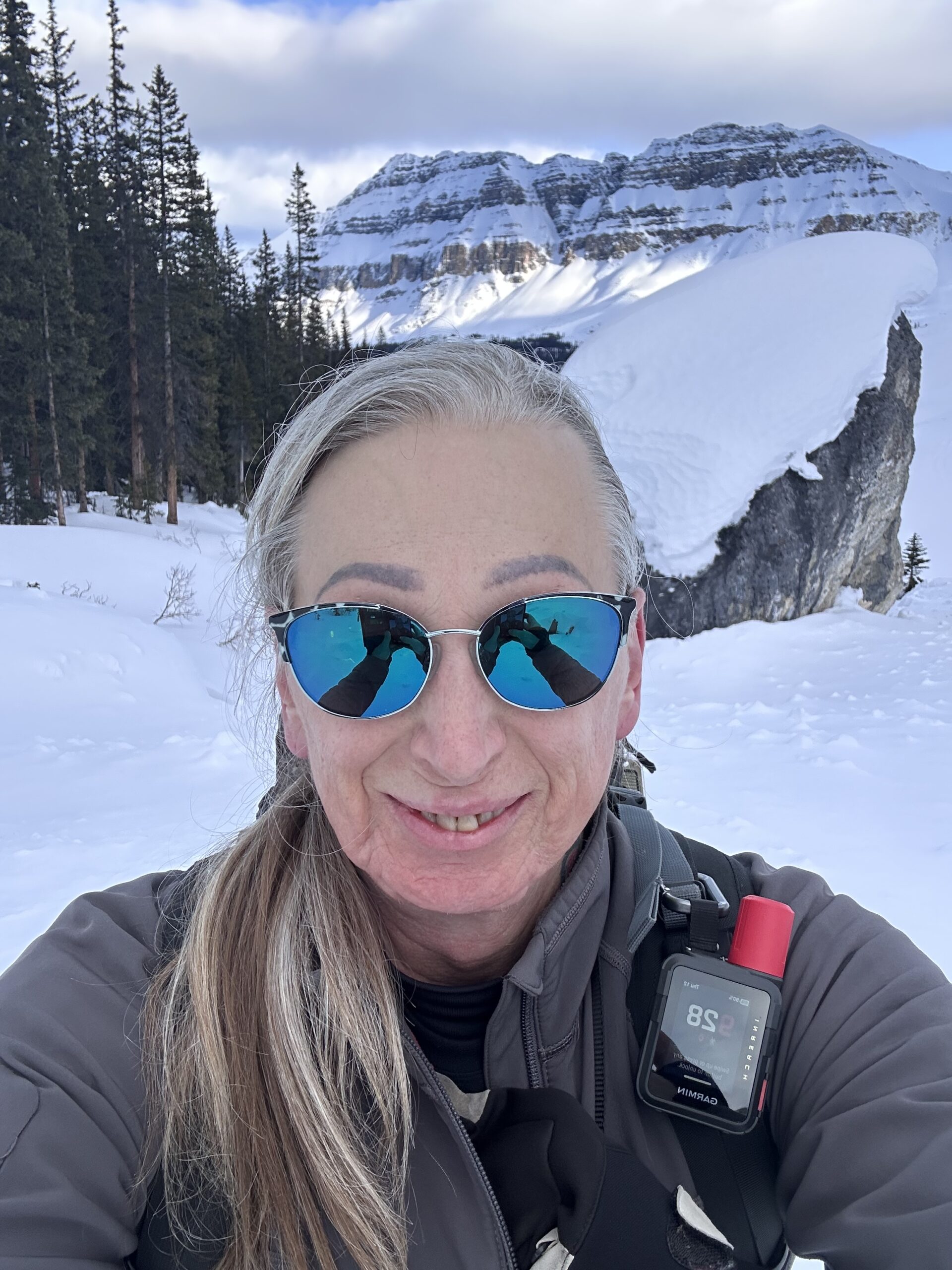
Certified private hiking guide and professional interpretive practitioner based in the Canadian Rockies. With over 25 years of four-season mountain experience, she offers thoughtfully paced hiking experiences that help active adults explore mountain landscapes with care, confidence, and understanding. Meet Niki