Foothills Forests and the Gateway to Kananaskis Country
Many visitors exploring the Canadian Rockies begin their journey in Banff National Park or Lake Louise, where towering peaks and glacial lakes define the landscape.
Yet just west of Calgary lies another region that quietly introduces travelers to the mountains long before the highest alpine terrain appears.
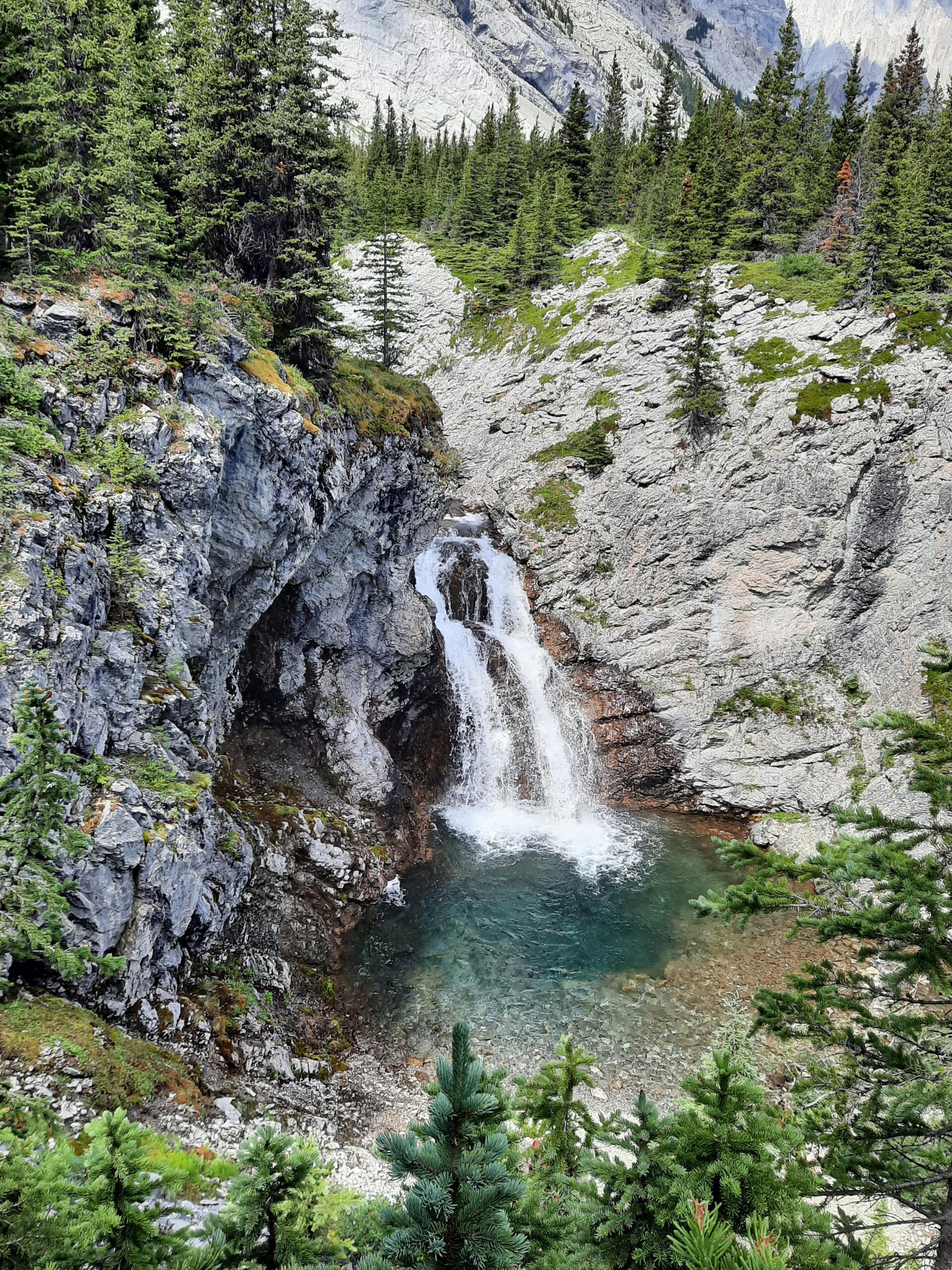
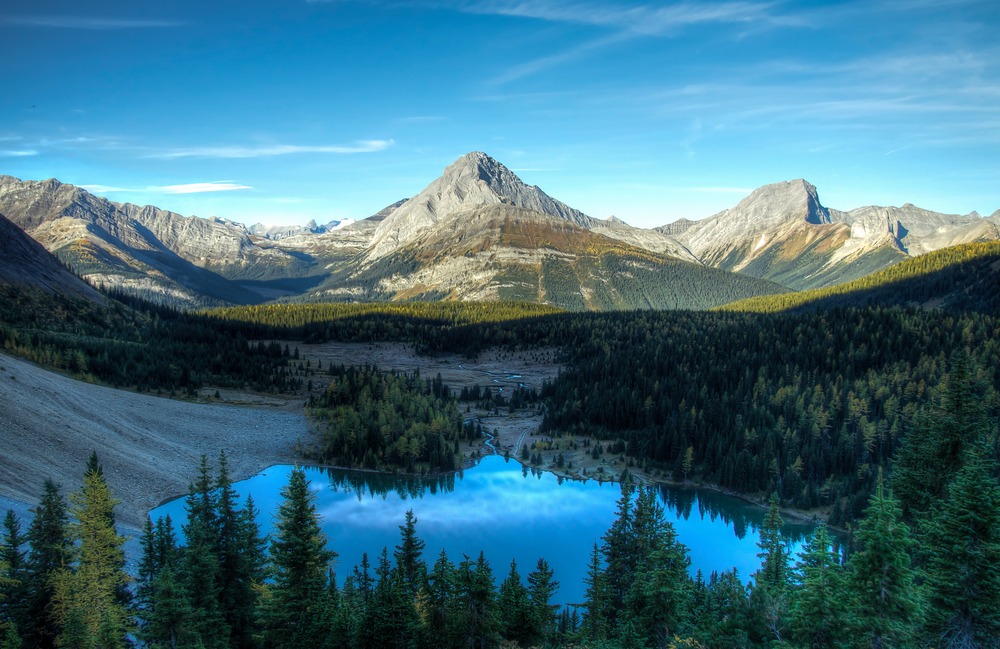
Bragg Creek sits along the eastern edge of Kananaskis Country, where the foothills of southern Alberta begin rising toward the Front Ranges of the Canadian Rockies. The terrain here is shaped by rolling forests, creek valleys, and long ridgelines that gradually lead toward the higher mountains farther west.
For hikers looking for scenic trails without immediately committing to high alpine terrain, Bragg Creek offers a welcoming gateway to the Rockies.
To understand how this area fits within the wider region, see Hiking Kananaskis Country: Alberta’s Provincial Parks, which explores the broader network of mountain landscapes south of Banff.
THE LANDSCAPE AROUND BRAGG CREEK
The landscape surrounding Bragg Creek marks the transition between Alberta’s prairie foothills and the rising mountains of the Canadian Rockies.
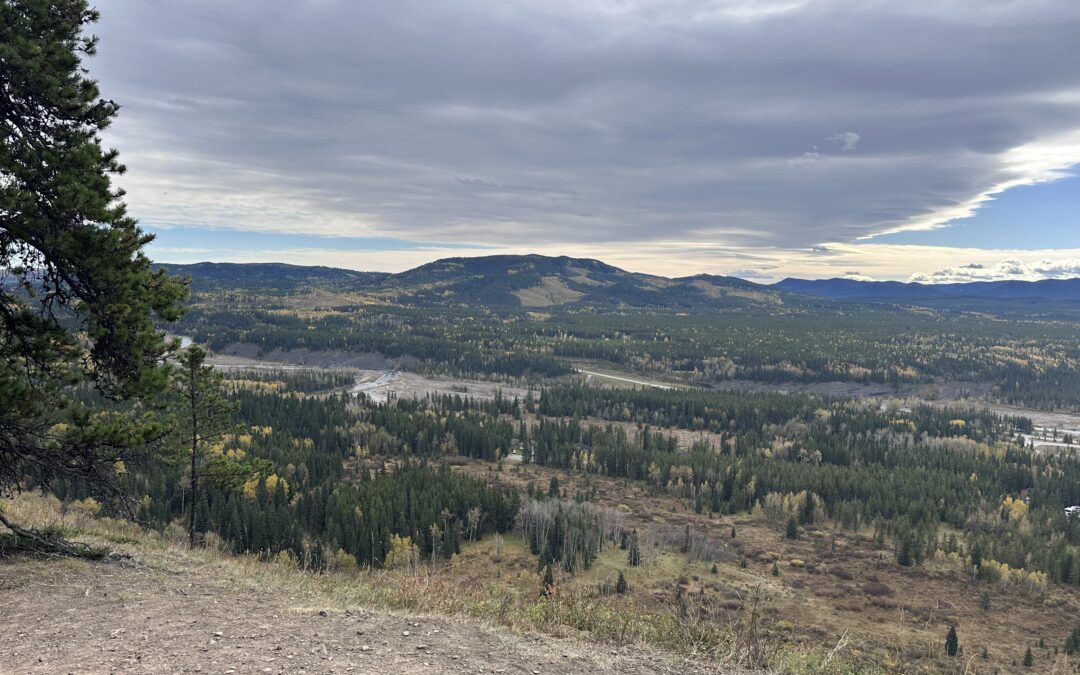
Instead of the dramatic alpine peaks seen deeper in Kananaskis Country, the terrain here consists of forested hills, creek valleys, and long ridgelines that gradually climb toward the Front Ranges.
Dense stands of lodgepole pine, spruce, and fir cover much of the region, while open clearings and grassy slopes appear along ridgelines and river valleys.
The Elbow River and its tributaries flow through the surrounding landscape, shaping valleys that provide important habitat for wildlife and scenic corridors for hiking trails.
Because the terrain here sits at lower elevation than the alpine parks farther west, the forests feel lush and continuous. Trails wind through shaded woods before climbing toward viewpoints that reveal the first glimpses of the mountains rising beyond the foothills.
For many visitors, the Bragg Creek area becomes a place where the transition into the Rockies begins.
For a broader understanding of how this region fits into a Rockies trip, see How to Plan a Trip to the Canadian Rockies.
ECOLOGY AND WILDLIFE OF THE FOOTHILLS
The forests surrounding Bragg Creek form part of an important ecological transition zone between prairie grasslands and the high mountain ecosystems of the Rockies.
This region supports a wide variety of wildlife species that move between the foothills and the mountains.
Deer and elk are frequently seen along forest edges and open meadows, while black bears occasionally move through the area during the summer months following seasonal food sources.
Coyotes, foxes, and other small predators also inhabit the region. Birdlife is abundant, particularly near creek valleys and forest clearings where a mixture of habitats supports diverse species.
The foothills forests play an important role in maintaining wildlife corridors that connect the eastern plains with the deeper mountain ranges of Kananaskis and Banff.
Because of this ecological importance, responsible travel practices such as staying on established trails and respecting wildlife habitat help protect the region’s natural balance.
GEOLOGY OF THE FOOTHILLS LANDSCAPE
The rolling terrain around Bragg Creek reflects the geological forces that formed the eastern edge of the Rocky Mountains.
Roughly 80 million years ago, tectonic compression pushed ancient seabed rock layers eastward as the Rockies rose from the landscape. Over time, erosion shaped the foothills into the rounded ridges and valleys seen today.
Compared with the steep alpine peaks farther west, the foothills consist of softer rock formations that erode more easily. This creates the gentler terrain and forested hills that define the Bragg Creek landscape.
Glacial activity during the last ice age also influenced the region. As glaciers advanced and retreated across southern Alberta, meltwater rivers carved valleys and deposited sediments that shaped many of the creek corridors seen today.
The result is a landscape that feels both mountainous and approachable, a natural transition between prairie and peak.
SCENIC LANDSCAPES AND HIKING AREAS
Several areas near Bragg Creek have become particularly popular for hiking and exploring the foothills of Kananaskis Country.
West Bragg Creek Trail Network
One of the largest trail systems in the foothills, offering an extensive network of forest trails used by hikers, mountain bikers, and cross-country skiers.
Moose Mountain
A prominent ridge rising above the foothills, offering expansive views across southern Alberta and the mountains to the west.
Cox Hill
A longer ridge hike that rewards hikers with sweeping vistas across the foothills and the Front Ranges.
Prairie Mountain
One of the most recognizable foothills peaks near Bragg Creek, providing a steep climb with panoramic views across the region.
You can explore these routes in more detail in Bragg Creek Hiking Trails | Foothills Forests and the Gateway to Kananaskis or continue deeper into Kananaskis toward areas such as Highwood Pass or Spray Valley Provincial Park, where terrain becomes more alpine.
SEASONAL CHARACTER OF BRAGG CREEK
Because Bragg Creek sits at lower elevation than many alpine areas in Kananaskis Country, hiking conditions here often develop earlier in the year.
Spring arrives sooner in the foothills as snow melts from forest trails and south-facing slopes.
Summer brings warm temperatures and lush forest landscapes, with long daylight hours ideal for exploring the extensive trail network.
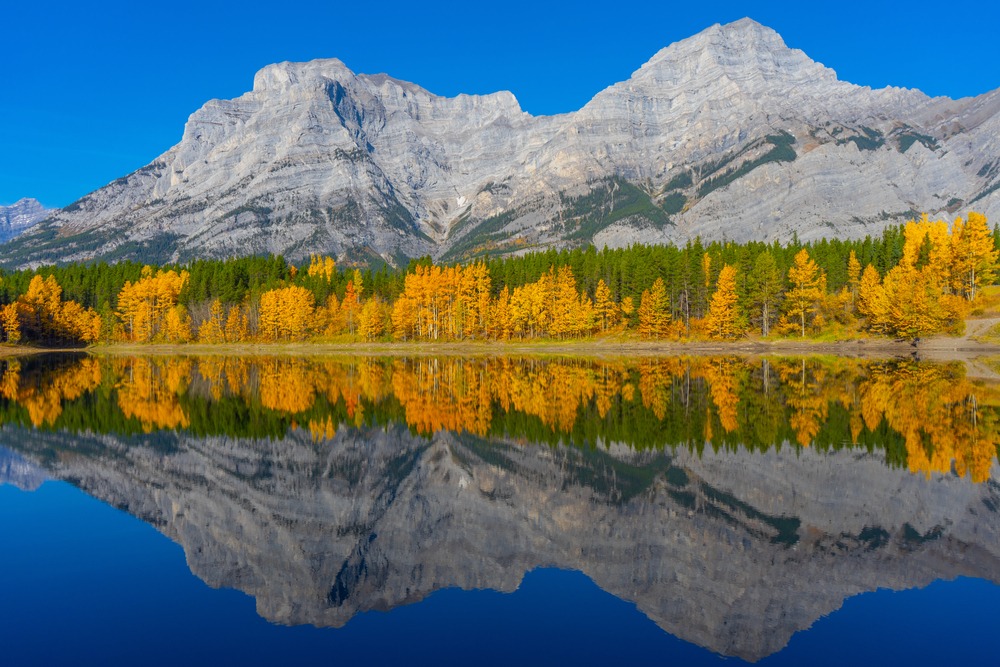
Autumn introduces cooler air and vibrant fall colors as shrubs and grasses across the foothills turn shades of gold and red.
Winter transforms the area into a popular destination for cross-country skiing and snowshoeing, particularly within the West Bragg Creek trail system.
This seasonal accessibility makes Bragg Creek one of the most versatile hiking areas within the broader Kananaskis region.
Because foothill conditions develop earlier than alpine terrain, many visitors begin their Rockies trip here before heading deeper into the mountains. I explain how seasonal conditions shift across the entire region in Best Time to Visit Kananaskis for Hiking
WHEN IS THE BEST TIME TO HIKE NEAR BRAGG CREEK?
Because the foothills sit at lower elevation than the alpine parks farther west, hiking conditions near Bragg Creek often develop earlier in the year than in Banff or the higher valleys of Kananaskis Country.
Many south-facing foothill trails begin melting out in early spring, while higher alpine terrain may still be snowbound for weeks or months longer.
Spring can bring muddy sections and lingering snow patches in shaded forest. Summer offers warm temperatures and long daylight hours, making it one of the most popular times to explore the area.
Autumn is often especially beautiful in the foothills. Cooler air returns, visitor numbers ease slightly, and grasses and shrubs across the hillsides shift into warm fall colors.
Because conditions across the region change quickly with elevation, travelers planning a broader trip often benefit from understanding how the seasons unfold across the mountains.
WHY BRAGG CREEK FEELS DIFFERENT FROM OTHER PARTS OF KANANASKIS
Travelers moving west from Calgary toward the mountains often notice how the landscape gradually changes as they approach Bragg Creek.
Instead of immediately encountering towering peaks, the terrain rises gently through forested foothills.
This slower transition creates a different hiking experience than the dramatic alpine valleys deeper in Kananaskis Country.
The trails here move through quiet forests and rolling hills rather than steep alpine terrain. For many hikers, this creates a calmer rhythm and a sense of gradual immersion into the mountains.
Bragg Creek often becomes a place where visitors begin to understand the broader geography of the Rockies, where prairie, foothills, and mountains meet.
This is also why Bragg Creek works well as a first hiking day. I explore this further in How to Pace a Hike in the Canadian Rockies, where terrain, elevation, and energy shape how a day unfolds.
A GUIDE’S PERSPECTIVE ON HIKING HERE
After guiding in the Canadian Rockies for many seasons, I often find that the foothills around Bragg Creek provide one of the most comfortable introductions to the mountains.
The trails allow hikers to move steadily through forest landscapes while gradually gaining elevation toward open viewpoints. The terrain rarely feels overwhelming, yet the views across the foothills and distant mountain ranges reveal the immense scale of southern Alberta.
For guests joining me on private guided hikes, this environment often creates a relaxed start to a Rockies trip, a place where people can settle into the rhythm of the landscape before venturing deeper into the alpine terrain of Kananaskis.
If you’re planning to hike in this area and want a quieter, more personal day in the mountains, explore my private guided hikes in Kananaskis.
HOW BRAGG CREEK FITS INTO A ROCKIES TRIP
Bragg Creek lies less than an hour from Calgary, making it one of the most accessible gateways to the mountains.
For many travelers arriving by air, the foothills trails around Bragg Creek provide an ideal way to begin exploring the region before heading deeper into Kananaskis Country or Banff National Park.
Some visitors spend their first day hiking in the foothills to adjust to the landscape and elevation before traveling toward the higher alpine valleys farther west.
Others return to Bragg Creek later in their trip to experience a quieter side of the Rockies.
Either way, the region provides a valuable reminder that the beauty of the Canadian Rockies extends beyond the most famous peaks and lakes.
FREQUENTLY ASKED QUESTIONS ABOUT BRAGG CREEK
HOW FAR IS BRAGG CREEK FROM CALGARY?
Bragg Creek is about 40 kilometres west of Calgary. The drive usually takes around 35 to 45 minutes, making it one of the closest mountain hiking areas to the city.
WHAT MAKES HIKING NEAR BRAGG CREEK DIFFERENT FROM OTHER PARTS OF KANANASKIS?
Bragg Creek hiking takes place in foothills forests rather than high alpine terrain. Trails wind through wooded valleys and ridgelines that gradually open toward views of the Rocky Mountains. For many hikers, the landscape feels quieter and more relaxed than the busier national park areas.
IS BRAGG CREEK A GOOD PLACE TO START A ROCKIES TRIP?
Yes. Because the foothills sit at lower elevation than Banff or the alpine parks farther west, Bragg Creek is often an ideal place to begin a trip. Many visitors hike here first before heading deeper into Kananaskis Country or Banff National Park.
WHAT ARE THE BEST HIKES NEAR BRAGG CREEK?
Some of the most popular hikes include Prairie Mountain, Moose Mountain, Cox Hill, and the West Bragg Creek trail network. Each offers a different experience, from forest trails to ridgeline viewpoints across southern Alberta and the Front Ranges.
ARE BRAGG CREEK HIKES SUITABLE FOR BEGINNERS?
Some are. The Bragg Creek area offers a range of trails from gentle forest walks to steeper foothills climbs. Beginners often find the terrain approachable, especially compared with higher alpine hikes deeper in the Rockies.
WHEN IS THE BEST TIME TO HIKE NEAR BRAGG CREEK?
Because Bragg Creek sits at lower elevation than alpine areas in Kananaskis Country, trails here often become accessible earlier in spring and remain open later into autumn. Spring, summer, and fall can all offer excellent hiking conditions depending on weather and trail conditions.
DO VISITORS NEED A PASS TO HIKE NEAR BRAGG CREEK?
Yes. Most trailheads within Kananaskis Country require a Kananaskis Conservation Pass for parking. Visitors should check Alberta Parks for current requirements before visiting.
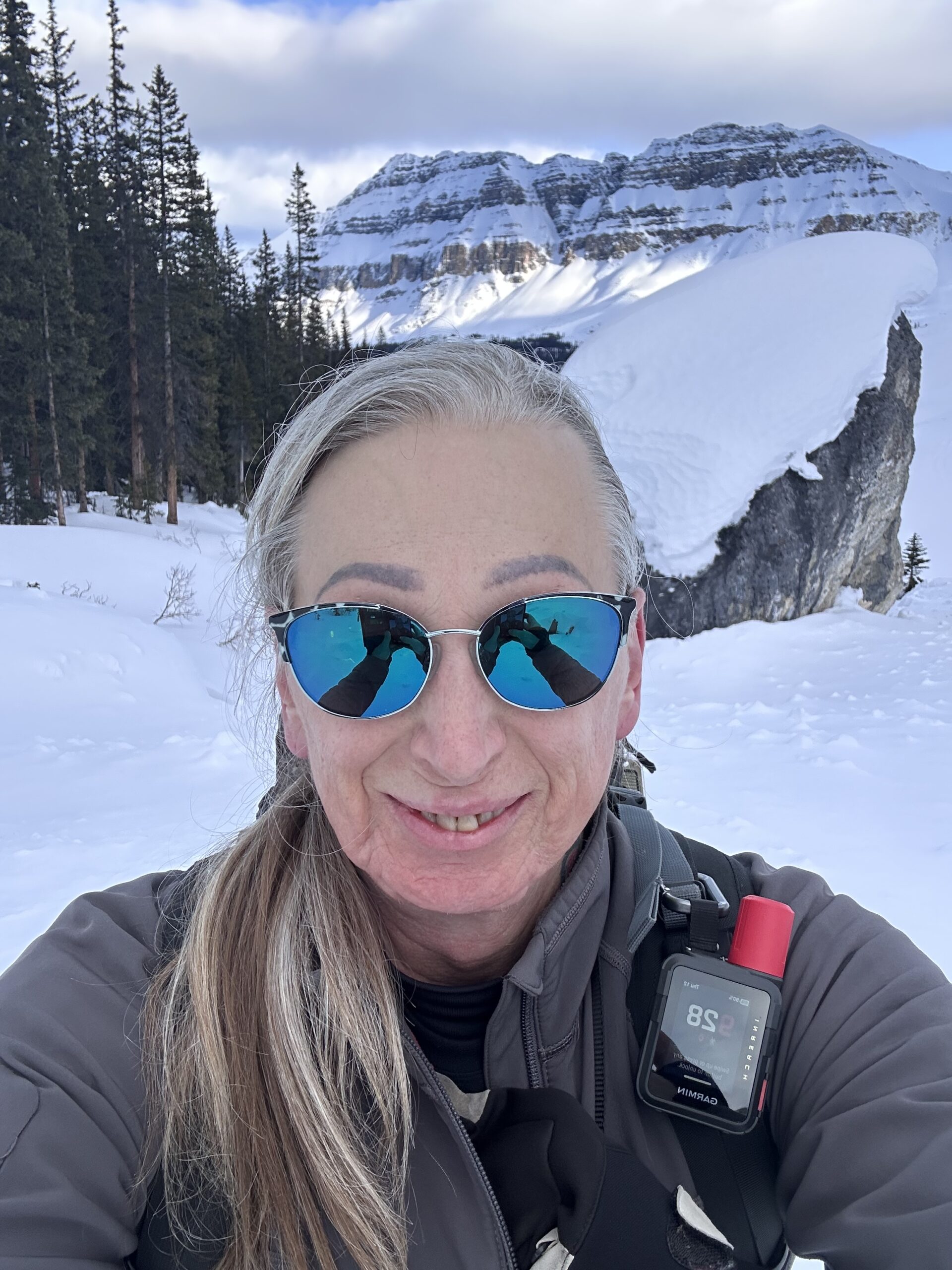
Certified private hiking guide and professional interpretive practitioner based in the Canadian Rockies. With over 25 years of four-season mountain experience, she offers thoughtfully paced hiking experiences that help active adults explore mountain landscapes with care, confidence, and understanding. Meet Niki