Choosing the Right Near-Town Day
The Banff area and its immediate surroundings offer a wider range of hiking days than many visitors first expect. Close to town, you can find everything from shorter scenic walks and moderate half-day climbs to fuller efforts with broad valley views and a more physically satisfying mountain day. For many guests, this part of Banff works well because it combines real mountain scenery with relatively flexible logistics. That does not mean every hike near Banff is calm, quiet, or ideal at every point in the season. Some trails are busy. Some are better with an earlier start. Some are stronger choices outside the height of peak summer. But when the route is chosen well, Banff and surroundings can offer an excellent first hiking day in the Rockies or a well-matched outing close to where many visitors are staying.
If you want the broader character of this part of the park, start with Banff and Surroundings. If you want to move beyond individual routes and explore the wider Banff hiking structure, the Banff hub page brings the full Banff picture together.
Tunnel Mountain
Distance: 4.3 km return
Elevation gain: 260 m
Time: 1.5 to 2.5 hours
Difficulty: Easy to moderate
Tunnel Mountain is one of the most accessible summit-style hikes near Banff and often a strong choice for guests wanting a shorter outing that still feels rewarding.
The trail climbs steadily above town and opens broad views over the Bow Valley, Mount Rundle, the Banff townsite, and the surrounding peaks. Because the route is relatively short, it can suit guests who want a real uphill effort without turning the day into a major objective. It is also a useful option for first-day hiking, especially for visitors adjusting to travel, elevation, or the rhythm of mountain trails.
This is not a remote experience, and it is not the quietest trail in the region. But for the right guest, Tunnel Mountain is one of the better examples of a compact Banff hike that still delivers a strong sense of place. It often works well because it asks just enough of the day to feel worthwhile without demanding too much too early in a trip.
Learn About Our Tunnel Mountain Half Day Hike in Banff
Sulphur Mountain
Distance: 10.1 km return
Elevation gain: 655 m
Time: 3.5 to 5 hours
Difficulty: Moderate
Sulphur Mountain is a more sustained climb and suits hikers who want a stronger half-day effort close to Banff.
The trail ascends steadily through forest on a well-defined route before reaching the upper mountain, where the views expand dramatically across the Bow Valley and surrounding ranges. From a pure trail-aesthetic standpoint, the path is not the most varied in the Banff area. But for guests who want a reliable workout, clear footing, and a scenic summit objective without needing a long transfer, it can be a good choice.
This hike tends to work best for guests who are comfortable with sustained climbing and who value the combination of physical effort and panoramic reward. It is less about quiet immersion and more about a strong, straightforward mountain climb near town.
Fenland Trail
Distance: 2.1 km loop
Elevation gain: Minimal
Time: 45 minutes to 1 hour
Difficulty: Easy
Fenland Trail is one of the gentlest walking options close to Banff and can work well for guests who want an easier outing, a first feel for the landscape, or a lighter recovery-style day.
The trail loops through forest and wetland habitat near town and offers a different kind of experience than the more view-driven mountain hikes. This is not a major scenic objective in the same sense as Tunnel or Sulphur, but it can be valuable for guests who enjoy natural history, birdlife, quieter walking, and a more relaxed pace.
For some visitors, especially after travel or between fuller hiking days, an easier walk like this can be the right choice. In a private guiding context, it can also work well when the day is meant to be restorative rather than ambitious.
Lake Minnewanka Shoreline Options
Distance: Flexible
Elevation gain: Minimal to modest
Time: 1.5 hours to fuller half-day options
Difficulty: Easy to moderate
The Lake Minnewanka area offers several ways to shape a hiking day, from shorter shoreline walks to longer out-and-back routes that follow the lake deeper into the valley.
What makes this area useful is not that it offers one single standout must-do hike, but that it gives you choices. You can keep the day relatively easy and scenic, or you can extend the outing into a longer walk with a more spacious rhythm. The lake itself gives the area a strong visual character, and the long shoreline framed by steep peaks creates a distinctly Banff experience.
This zone can work particularly well for guests who want a scenic day without the structure of a direct summit climb. It also suits hikers who prefer to let distance build gradually rather than beginning with a steeper ascent. That makes it one of the more quietly useful near-Banff areas for shaping a day around mood and pace rather than around a single objective.
Stewart Canyon
Distance: 7.8 km return
Elevation gain: Minimal
Time: 2 to 2.5 hours
Difficulty: Easy to moderate
Stewart Canyon is a good choice for guests who want a quieter-feeling walk in the Lake Minnewanka area without committing to a long or demanding day.
The trail follows the water through forest and canyon terrain, creating a more enclosed and intimate experience than the broader lakeshore views at Minnewanka itself. It can be a nice option for hikers who enjoy a gentler grade, moderate distance, and a sense of moving through the landscape rather than climbing above it.
This is a useful hike for guests who want a scenic outing that feels calmer and less output-focused than some of Banff’s more obvious climbs. It often suits travelers who care more about the feel of the walk than about reaching a dramatic summit or viewpoint.
Sundance Canyon
Distance: approximately 4 to 8 km, depending on starting point and route choice
Elevation gain: Minimal
Time: 1.5 to 3 hours
Difficulty: Easy to moderate
Sundance Canyon offers a very different mood from Banff’s summit and viewpoint trails. This is a forest-and-water route, shaped more by movement through the landscape than by a single panoramic payoff.
It can work well for guests who appreciate texture, trail rhythm, and quieter terrain rather than dramatic visual scale from the first minute. Depending on start point and season, it can also be combined into a more flexible outing that stays moderate and well-paced.
For private guests who value conversation, interpretation, and a less performative style of hiking, this kind of route can sometimes be a much better fit than a more famous trail. It creates room for the day to feel more settled and less driven by output.
Mount Norquay Viewpoint Area or Lower Norquay Trail Options
Distance: Varies by route
Elevation gain: Varies
Time: Varies
Difficulty: Moderate
The Mount Norquay area can provide useful hiking choices for guests who want views above Banff without automatically defaulting to the most commonly discussed trails.
Depending on the exact route, hikes here can offer a satisfying middle ground between a short scenic outing and a fuller climb. The terrain often feels a little more elevated and slightly removed from the townsite while still remaining close enough to preserve flexibility.
This part of the Banff area is best treated thoughtfully rather than generically. Some routes work better than others for private guided days, and exact trail choice matters more than simply choosing the area name. That makes it a good example of why near-town hiking can still benefit from local judgment.
Mount Bourgeau or Fuller Banff-Area Climbs
Distance: often 14 to 16 km or more, depending on turnaround point
Elevation gain: often 700 m to 1,000 m or more
Time: 5 to 8 hours
Difficulty: Challenging
For stronger hikers wanting a fuller day close to Banff, routes such as Mount Bourgeau can offer a much more substantial outing than the shorter scenic hikes near town.
These hikes move beyond the compact Banff experience and into a more committed mountain day with sustained climbing, longer trail time, and a stronger fitness component. The reward is often a deeper sense of alpine terrain and a more immersive mountain experience. The tradeoff is that these routes require more care in matching, pacing, weather judgment, and seasonal timing.
This category is not the right fit for every guest simply because they are active. On many vacations, a moderate hike done well creates a better day than a longer objective pursued out of obligation. But for hikers who truly want a more physically involved outing, Banff does offer that option.
Learn More About Our Full Day Mount Bourgeau Hike in Banff
Choosing the Right Kind of Hike Near Banff
Some hikes near Banff are best for shorter scenic outings, while others create a more physically involved day.
Tunnel Mountain is a strong choice for guests wanting a shorter climb with a real sense of accomplishment. Fenland Trail and some of the gentler Lake Minnewanka or Sundance options are better for easier walking days, recovery days, or guests who prefer a quieter pace. Sulphur Mountain works well for hikers looking for a moderate half-day route with sustained climbing and a clear scenic reward. Stewart Canyon and flexible Minnewanka shoreline outings suit guests who enjoy movement through the landscape without needing a summit-style objective. Mount Bourgeau and similar fuller climbs are better choices for stronger hikers who genuinely want a longer and more demanding mountain day.
For active adults over 50, the best fit is often not the longest route. It is usually the hike that matches energy, footing comfort, preferred pace, and how full the day should feel from start to finish. If that is the way you tend to travel, Best Hikes in Banff for Active Adults is the most relevant companion article.
Seasonal Notes and Access Realities
One reason Banff and surroundings can work well is that these hikes often offer useful options across a broad part of the hiking season. Lower and mid-elevation routes near town can sometimes come into shape earlier than higher alpine objectives elsewhere in the park.
That said, summer is not uniformly ideal. In July and August, some Banff-area trails are busier, warmer, and less relaxed than visitors expect. At those times, I am selective. A near-Banff hike may still be the right choice, especially if the guest wants less driving and a shorter outing. But in some cases, a different part of Banff or even Kananaskis will provide a better overall day.
Planning a Hiking Day in Banff and Surroundings
Planning a hiking day near Banff usually starts with one practical advantage: the day can often stay simpler.
That does not mean easier in every case, but it does mean you have more room to shape the outing around what you actually want. Do you want a shorter outing or a fuller hiking day? Do you enjoy steady climbing, or would you rather keep the day more moderate? Are you looking for big views, a gentler walking rhythm, or a balanced mix of both? And how much driving and logistics do you really want in the day? Those questions matter here because one of the strengths of Banff and surroundings is that the answer does not have to be dictated by a single iconic destination.
Good planning near Banff is less about chasing the most famous trail and more about matching the route to the day honestly. That is often what makes these hikes work so well. They allow the day to fit the trip rather than demanding that the trip bend around them.
What to Know Before Setting Out
Even close to Banff town, these are still mountain hikes.
Weather can change quickly. Wildlife matters. Trail closures, seasonal restrictions, and surface conditions all matter as well. Distances may look manageable on paper while still producing a more demanding outing than expected, especially for visitors who are new to mountain hiking. Carrying basic essentials, checking current trail conditions, and choosing a hike that fits both the season and your actual pace can make the day far more comfortable.
This is one of the reasons guiding can be valuable here. The benefit is not just navigation. It is route matching, pacing, decision-making, and shaping a day that feels good as a whole rather than simply completed.
A Guide’s Perspective
When I guide hikes near Banff, I am not usually trying to steer guests toward the most famous trail. I am trying to choose the hike that gives them the best overall experience on that particular day.
Sometimes that means a shorter climb like Tunnel Mountain. Sometimes it means a stronger effort like Sulphur. Sometimes it means choosing a shoreline or canyon route because the guest wants a calmer rhythm, less elevation gain, or more room for conversation and interpretation. And sometimes it means deciding that Banff is not the best call that day at all.
What matters most is not the name of the trail. It is whether the route, timing, season, and guest are well matched. That is where a calm, selective, experience-protective approach makes the biggest difference. Near Banff, that kind of matching often matters more than ambition.
If you are considering a private guided hiking day near Banff, you can start with Private Guided Hiking in Banff to understand the broader service area, view Hikes & Pricing to compare current guided hike options, visit the Private Guided Hiking FAQ for practical questions about pace, preparation, route choice, logistics, and what to expect, or Begin a Conversation if you would like help choosing the right route for your pace, timing, access, and current conditions.
Frequently Asked Questions About Banff and Surroundings Hikes
What are the best hikes near Banff?
That depends on the kind of day you want. Tunnel Mountain, Sulphur Mountain, Lake Minnewanka shoreline routes, Stewart Canyon, and other near-Banff trails each suit different goals, from shorter scenic outings to fuller hiking days.
Are there good hikes near Banff for moderate hikers?
Yes. Banff and surroundings offer several moderate options that provide strong scenery without needing to become an all-day alpine objective. For many guests, this area is one of the best places to build a satisfying but well-paced mountain day.
Are these hikes suitable for active adults over 50?
Very often, yes. This area works well for active adults because it includes a useful range of routes and allows careful matching based on pace, climbing tolerance, footing, and how full the day should feel.
Is Banff a good place for a first hiking day in the Rockies?
Often, yes. Near-Banff hikes can be a strong first-day choice because they allow more flexibility and do not always require the same access commitment as some of the park’s higher-profile destinations.
Are Banff-area hikes always a good idea in July and August?
Not automatically. Some still work well, but this is a more timing-sensitive and crowd-sensitive part of the season. In some cases, another part of Banff or even Kananaskis will create a better overall guest experience.
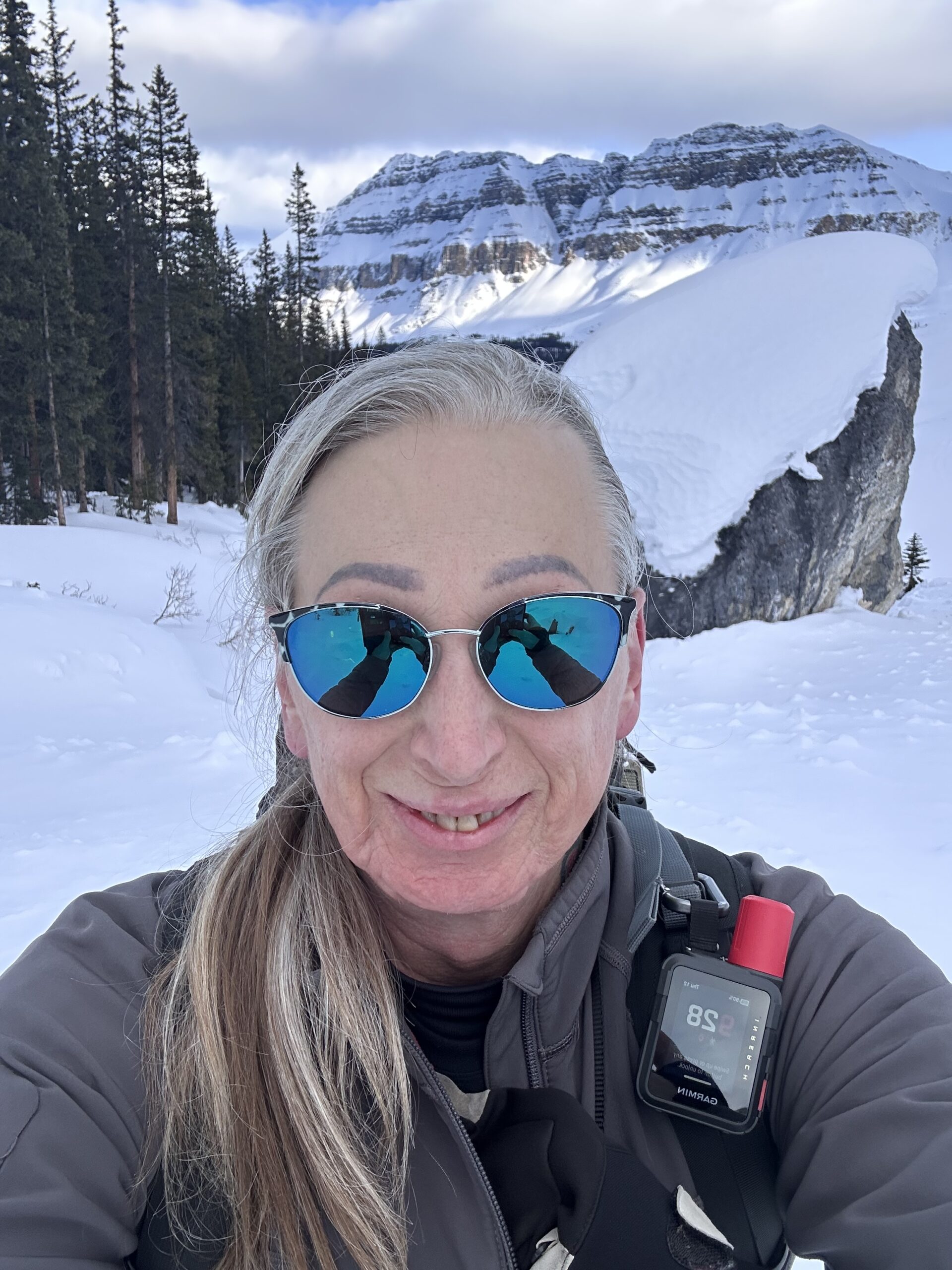
Certified private hiking guide and professional interpretive practitioner based in the Canadian Rockies. With over 25 years of four-season mountain experience, she offers thoughtfully paced hiking experiences that help active adults explore mountain landscapes with care, confidence, and understanding. Meet Niki