Flexible, Varied, and Often Better Than People Expect
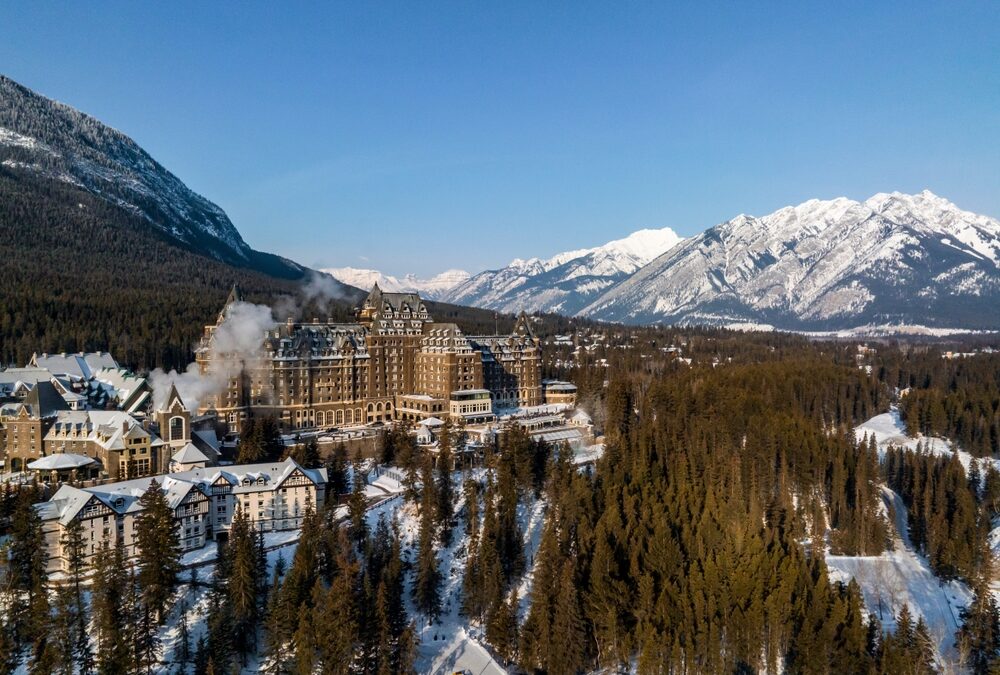
When people picture hiking in Banff, they often imagine the whole park as one experience. In practice, the Banff townsite and its immediate surroundings offer a very specific kind of mountain day.
This part of Banff is accessible, varied, and visually strong. It can work especially well for guests who want a well-paced hike close to town, a thoughtful first day in the Rockies, or a day that balances mountain scenery with flexibility. It is not always the quietest part of the park, and it is not where I send every guest by default. But for the right day and the right person, it can be an excellent fit.
That is one of the reasons I think Banff and its surroundings are often underestimated. People sometimes treat the area near town as a compromise, something to do before the “real” mountain day begins. But when the route is chosen well, this part of the park can offer a very satisfying day in its own right, with real scenery, easier logistics, and more room to shape the experience around the guest rather than around the demands of a destination. If you are looking for route-specific ideas, continue to Banff and Area Surroundings Hikes. If you want to explore the wider Banff hiking structure, including area overviews, hike categories, and guided options, the Banff hub page is the best place to step back.
The Landscape of Banff and Its Immediate Surroundings
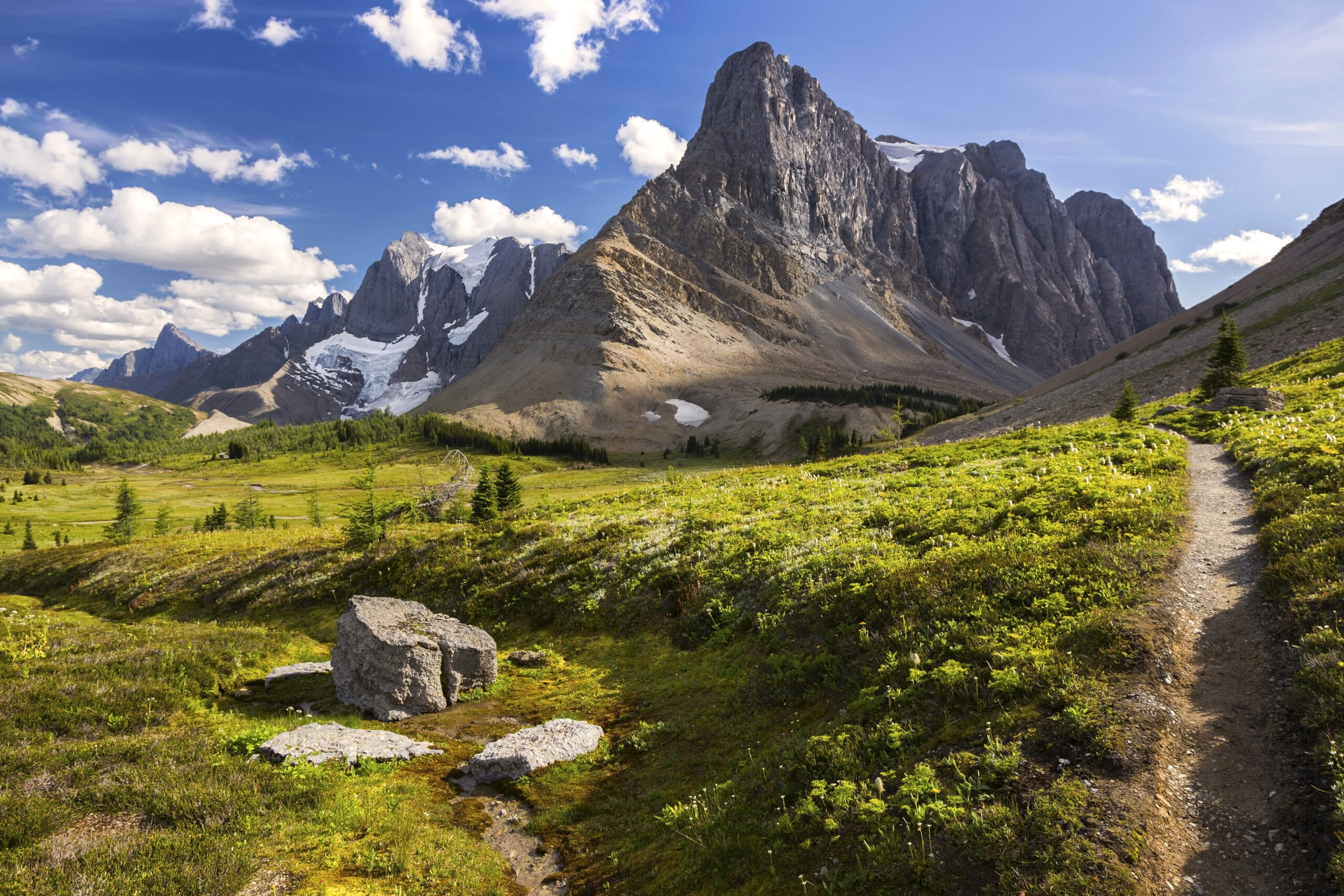
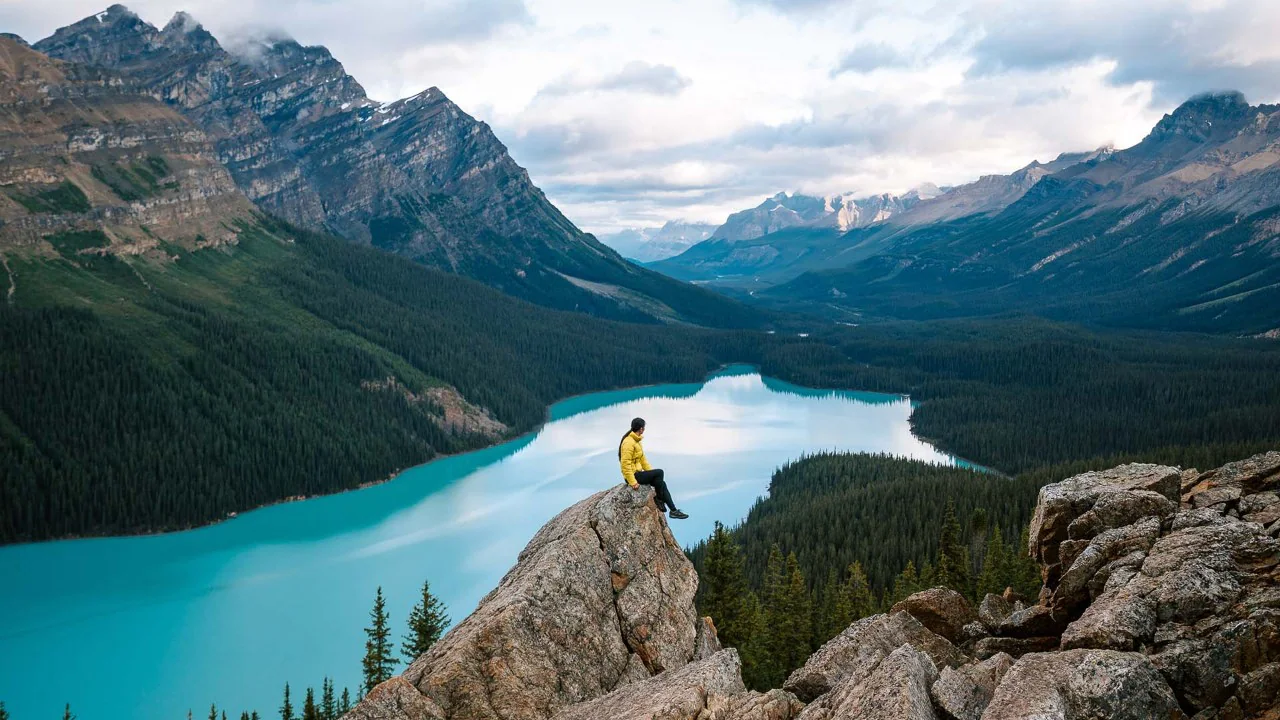
Banff sits where major valleys meet. Around town, the landscape is shaped by broad valley bottoms, forested benches, river corridors, steep mountain walls, and a number of accessible viewpoints and trail systems that rise quickly above the Bow Valley. That geography matters. It means you do not need to drive deep into the park to begin having a real mountain experience. You can start close to town and still step into meaningful terrain, whether that means river paths, forest trails, shoulder-season walks, or steeper climbing routes with broad valley views.
This is also one of the reasons the area suits private guiding well. There is flexibility here. A day can be adjusted more easily for weather, energy, road conditions, seasonal trail character, or how a guest is feeling once boots are on the trail. That adaptability gives this part of Banff a very different feel from areas where the day is largely decided by access systems or long transfers before the walking begins.
History and Human Context
Banff has a long human history that far predates tourism. Like the wider Bow Valley, this area has been part of Indigenous travel, use, and relationship for a very long time. The modern townsite, railway era, and national park story came later and shaped Banff into one of the best-known mountain destinations in the world. That history still affects the hiking experience today. Banff is both a mountain place and a high-demand visitor destination, and close to town those realities meet directly. Some trails feel surprisingly calm. Others carry the pressure that comes with a globally recognized park town.
For guests, that means expectation-setting matters. Proximity to town is useful, but it does not automatically mean a simple or quiet experience. Good local judgment still makes a substantial difference. This is one of the places where interpretation can be especially valuable, because the landscape here is not separate from human use. It is a place where mountain geography, wildlife movement, settlement, tourism, and trail design all interact in visible ways.
Ecology and Wildlife
The Banff townsite sits within active wildlife habitat. Valley bottoms, river corridors, forest edges, and movement routes all matter here. Elk, deer, bears, and smaller mammals use these landscapes too, and seasonal closures or trail restrictions can sometimes shape what is realistic on a given day. From a hiking perspective, this area is ecologically interesting because the transitions are so visible. You can move from developed edges to montane forest, from river systems to open slopes, and from human presence to surprisingly natural-feeling spaces in a relatively short time.
For many guests, especially those who enjoy interpretation, Banff and its surroundings offer a good setting for understanding how people, wildlife, and mountain landscapes interact rather than pretending those elements are neatly separate. It can be a more grounded kind of mountain day, and that often resonates with travelers who want more than a scenic checklist.
Geology and Landform Character
Banff’s immediate hiking terrain is defined less by a single dramatic basin and more by the way mountain walls, ridges, valleys, and river systems hold the town within a broader mountain structure. You are often hiking with a strong sense of orientation here. The valley shape is legible. The surrounding peaks frame the day. The Bow River and tributary systems help explain the landscape. Even on more modest hikes, there is often a clear relationship between the trail underfoot and the larger landform around you.
That makes this area rewarding for guests who enjoy context, not just scenery. It is easier here to read the valley and understand where you are within it. Some destinations impress through intensity. Banff and its surroundings often work through coherence. The landscape makes sense as you move through it, and for many people that creates a stronger feeling of being in a place rather than simply visiting an attraction.
What Hiking Here Feels Like
Hiking around Banff often feels balanced, accessible, and adjustable. It can be a very good area for guests who want a mountain day that still leaves room for conversation, interpretation, and a calm pace. That does not mean it is always easy. Some routes near Banff climb steeply. Some are busy. Some are better as shoulder-season or early-start choices. But compared with places where access, reservations, or long transfers dominate the day, Banff and its surroundings often allow a more flexible and grounded experience.
This area can work especially well for first hiking days in the Rockies, guests adjusting to travel fatigue or variable energy, shorter or half-day mountain outings, and private guests who value pace, conversation, and local interpretation. In other words, it often suits the real shape of a trip better than people first assume.
Seasonal Character of the Area
Banff and its surroundings can offer useful hiking options across a broad part of the season, but the quality of the experience shifts with timing. In spring and early summer, lower and mid-elevation trails near Banff can come into shape earlier than many higher alpine areas. In midsummer, accessibility can be a major advantage, but this is also when some trails feel the most pressured. In September and early fall, the balance often improves. The light changes, mornings cool down, and many guests find the experience more relaxed and more rewarding.
This is one reason I do not treat Banff as a simple peak-summer default. The area can absolutely work in July and August, but I am selective. Some days near Banff still make sense then. Others are better shifted to different parts of the park, different start times, or sometimes to Kananaskis altogether. If timing is part of your planning, When Is the Best Time to Visit Banff for Hiking? is the most useful companion article.
Why This Area Feels Different from Other Parts of Banff
Each major Banff zone has its own character. Compared with Lake Louise, Banff and its surroundings are generally more flexible and less dominated by a single access bottleneck. Compared with the Moraine Lake Area, the day usually feels less compressed by transportation and reservation realities. Compared with the Icefields Parkway, this area is less remote and less logistically stretched. Compared with Banff High Alpine, it often offers more forgiving and more seasonally stable choices.
That does not make Banff and surroundings better in every case. It makes it useful in a different way. For some guests, this area is the best place to begin. For others, it is where we build a day around conditions, pace, and energy rather than around a famous name. And for some midsummer visitors, it is simply the place that gives the trip some breathing room.
A Guide’s Perspective
As a guide, I see Banff and its surroundings as an area where judgment and matching matter more than hype.
This is not where I try to force a dramatic must-do narrative. Instead, I look at the guest, the season, the trail conditions, the access realities, and the kind of day that will actually feel good from beginning to end. Sometimes that leads to a classic Banff outing. Sometimes it leads to a quieter nearby trail. Sometimes it leads to the conclusion that another region is the better call that day.
Private guiding works well here because the area rewards flexibility. We can choose a shorter scenic day, a more substantial climb, or a well-paced outing that leaves room for rest, interpretation, and the simple pleasure of moving through the landscape without being rushed. That can make this part of Banff especially meaningful for guests who want the day to feel personal rather than prepackaged.
How This Area Fits Into a Rockies Trip
Banff and surroundings often fit well in three situations. First, it is a strong choice at the beginning of a Rockies trip, when guests are settling in and do not necessarily need the longest or most logistically complex day. Second, it works well as a flexible day between larger objectives. If a trip already includes Lake Louise, the Icefields Parkway, or Jasper, a Banff-area day can provide contrast and breathing room. Third, it can be the right answer for guests staying in Banff who want a meaningful hike without turning the day into a heavy transportation exercise.
That usefulness is part of what makes the area so valuable. It often supports the trip as a whole, not just the day itself. A well-chosen near-Banff hike can help the entire itinerary feel more balanced, more enjoyable, and more in tune with how guests actually want to travel.
If you are considering a private guided hiking day near Banff, you can start with Private Guided Hiking in Banff to understand the broader service area, view Hikes & Pricing to compare current guided hike options, visit the Private Guided Hiking FAQ for practical questions about pace, preparation, route choice, logistics, and what to expect, or Begin a Conversation if you would like help choosing the right route for your pace, timing, access, and current conditions.
Frequently Asked Questions About Banff and Surroundings
Is Banff and surroundings a good place to hike if I do not want a huge day?
Yes. This area includes options that work well for shorter, easier, or moderate days. It can be a very good fit for guests who want a real mountain experience without committing to a long or highly demanding outing.
Is this area less crowded than Lake Louise?
Often, yes, but not automatically. Some Banff-area trails and viewpoints are still busy, especially in peak summer. The advantage is usually greater flexibility and more alternatives.
Is Banff and surroundings a good fit for active adults over 50?
Often, very much so. The area offers a useful range of hiking styles and allows for thoughtful matching based on pace, footing, elevation gain, and how full you want the day to feel.
When is this area strongest?
For many guests, it is strongest outside the most compressed part of peak summer. Early season, September, and well-chosen shoulder-season days often offer a better overall experience than people expect.
Should I choose Banff or Kananaskis?
That depends on what kind of day you want. Banff offers iconic landscapes and convenience, but it is often more timing-sensitive and crowd-sensitive. Kananaskis often provides more room and calmer flow in peak season.
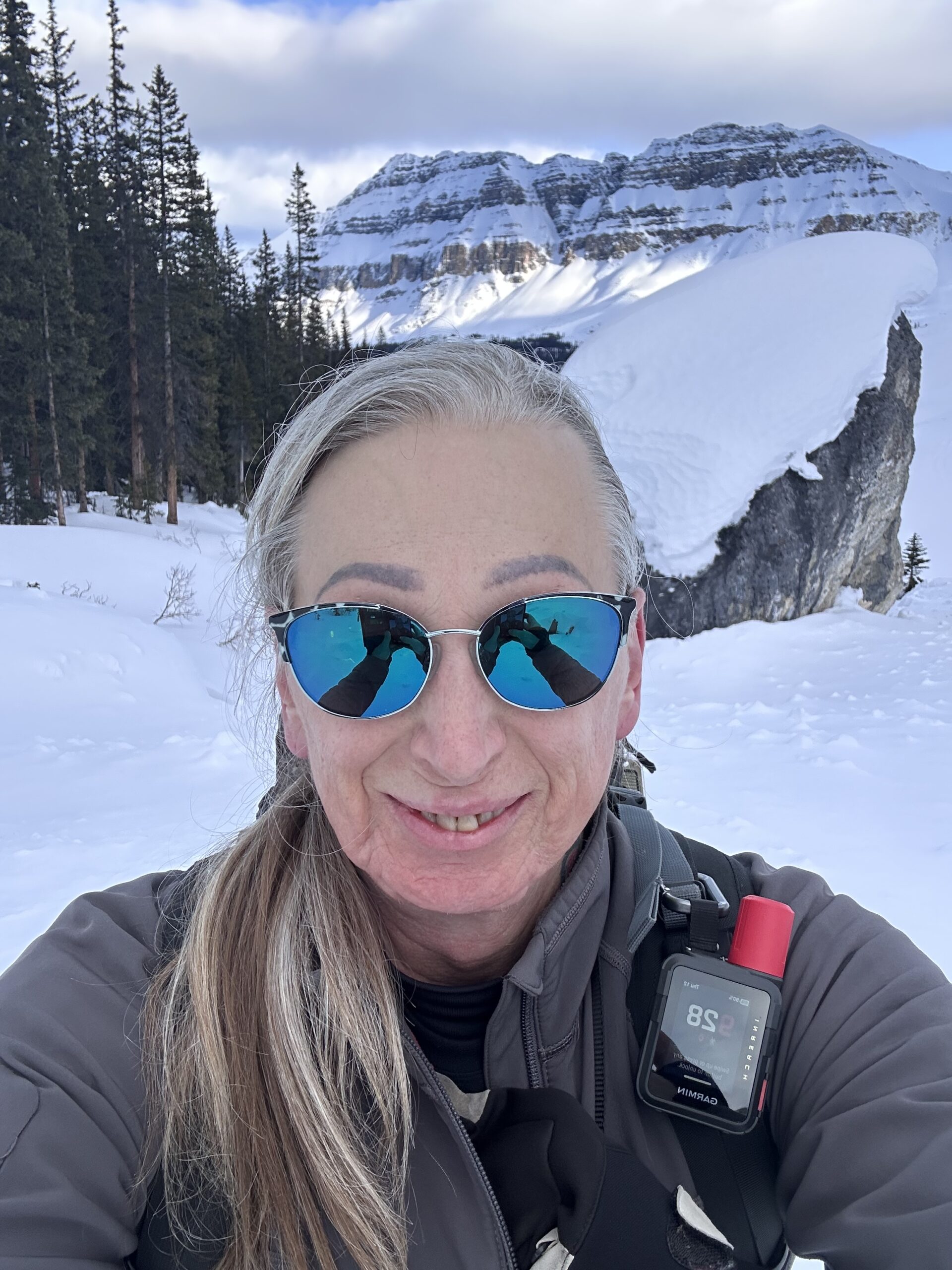
Certified private hiking guide and professional interpretive practitioner based in the Canadian Rockies. With over 25 years of four-season mountain experience, she offers thoughtfully paced hiking experiences that help active adults explore mountain landscapes with care, confidence, and understanding. Meet Niki