Choosing Routes That Still Feel Good Once the Logistics Are Included
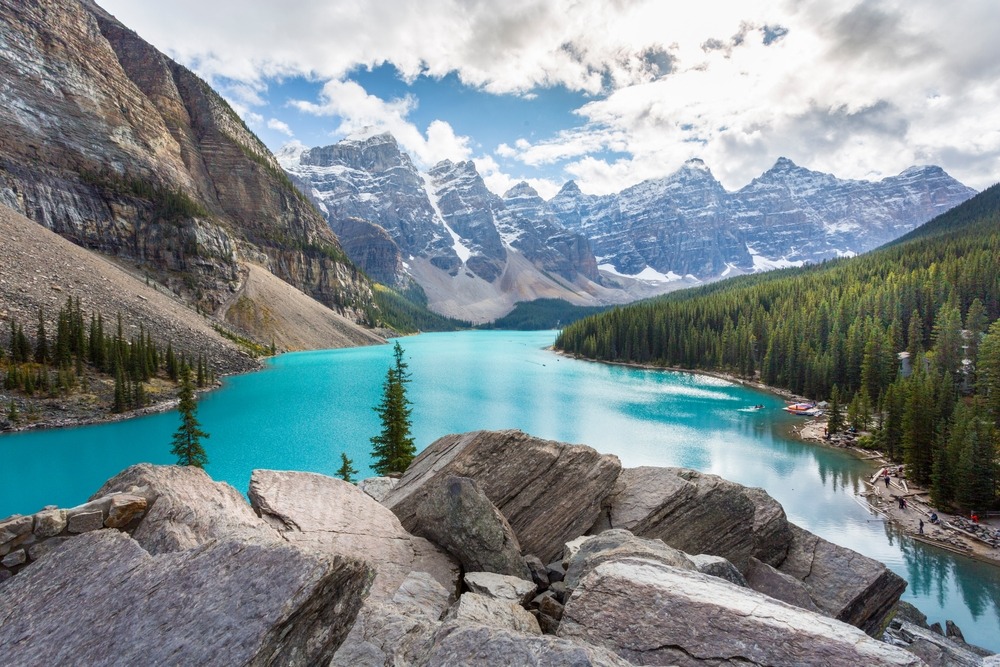
Moraine Lake Area hikes include some of the most sought-after alpine routes in Banff National Park, but they do not all offer the same kind of day.
Some are shorter and more approachable. Some are classic moderate alpine hikes with exceptional scenery. Others are fuller mountain days that require more effort, more timing awareness, and a stronger match between the route and the guest. What matters most in this area is not simply which hike is most famous, but which one actually suits the day well.
That is especially important here because access pressure can influence the entire experience. A route that looks perfect on paper may still not produce the best day if timing, transportation, season, and guest energy are not aligned. If you want the broader context for the area itself, begin with Moraine Lake Area. If you want to move beyond individual routes and explore the wider Banff hiking structure, the Banff hub page brings the full Banff picture together.
Rockpile and Lakeshore Options
Distance: Short and flexible
Elevation gain: Minimal
Time: 30 minutes to 1.5 hours
Difficulty: Easy
The Rockpile and nearby lakeshore walking options are not full hiking days in the same sense as the alpine routes above the lake, but they still matter because many visitors arrive at Moraine Lake without needing or wanting a large objective.
These shorter options allow guests to experience the setting directly and can work well as part of a lighter day, a mixed sightseeing day, or a deliberately modest outing where the value lies in being present in the basin rather than pushing into upper terrain.
That said, I would not confuse these with the area’s stronger hiking experiences. They are best treated as scenic access to an iconic place, not as substitutes for a more substantial mountain day. Their value lies in immediacy, not depth.
For some guests, that is enough. For others, the basin only begins to feel complete once they move beyond the lakefront into the surrounding terrain.
Larch Valley
Distance: about 8.6 km return
Elevation gain: about 535 m
Time: 3.5 to 5 hours
Difficulty: Moderate
Larch Valley is one of the signature hikes of the Moraine Lake Area and often the strongest moderate route for guests who want a real alpine day without pushing into a more demanding pass objective.
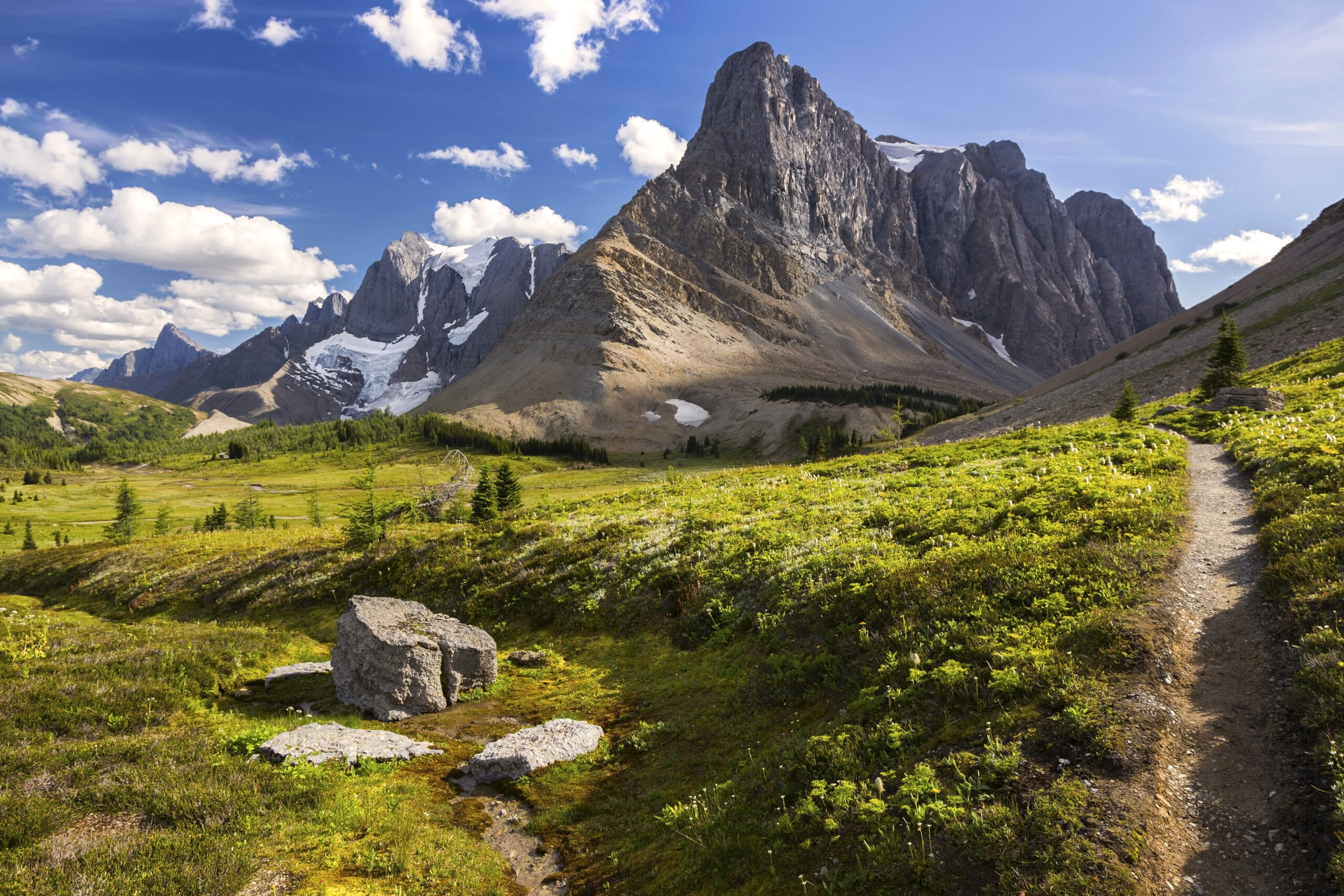
The trail climbs steadily from the lake through forest and then opens into broad alpine terrain where the valley begins to reveal its full mountain structure. In autumn, the larches make this one of the most sought-after hikes in the region. Outside larch season, it remains a very strong route because it builds naturally into open scenery and gives the day a genuine alpine feel.
For active adults and private guests who want a substantial but manageable outing, Larch Valley is often the clearest best fit in this area. It offers the feeling of having properly entered the landscape without making the entire day dependent on a steeper, more exposed finishing push.
This is one of those routes where the experience often lands beautifully because the scale, effort, and scenic reward stay in good proportion to one another.
Learn About Our Larch Valley Half Day Hike in Banff
Sentinel Pass
Distance: about 11.6 km return
Elevation gain: about 725 m
Time: 4.5 to 6 hours
Difficulty: Challenging
Sentinel Pass is one of the classic stronger hikes in the Moraine Lake Area and one of the most recognized alpine routes in Banff.
The route continues beyond Larch Valley into higher and more exposed terrain, climbing toward a pass that offers broad mountain views and a stronger sense of alpine scale. For hikers who genuinely want a more physically involved day, this can be an outstanding objective.
But this is also a good example of why reputation should never be mistaken for fit. Sentinel Pass is not simply “better” than Larch Valley because it goes higher. For many guests, Larch Valley produces the stronger overall experience. The right choice depends on pace, energy, comfort with a steeper climb, and what kind of day is actually desired.
For the right hiker, Sentinel Pass can feel exhilarating and memorable. For the wrong fit, it can turn an already access-sensitive day into something more demanding than enjoyable. That distinction matters a great deal here.
Learn About Our Sentinel Pass Full Day Hike in Banff
Eiffel Lake
Distance: about 12 km return
Elevation gain: about 370 m
Time: 4 to 5 hours
Difficulty: Moderate
Eiffel Lake offers a different kind of Moraine Lake-area day than Larch Valley or Sentinel Pass.
Instead of aiming primarily for a pass, the route moves farther into the valley landscape and creates a more horizontal alpine experience. The scenery remains dramatic, but the day can feel slightly less concentrated on one steep finishing objective. For some guests, that creates a better rhythm.
This can be a very strong choice for hikers who want a substantial outing in classic Moraine Lake terrain but would rather avoid the more direct pass-style emphasis of Sentinel. It gives the day room to stretch a little differently, which often suits guests who want scenery and immersion without a hard push toward one high point.
In that sense, Eiffel Lake is often one of the quieter route choices in this area, not because it lacks beauty, but because it organizes the day differently.
Consolation Lakes
Distance: about 6 km return
Elevation gain: Minimal to modest
Time: 2 to 3 hours
Difficulty: Easy to moderate
Consolation Lakes is a shorter and more approachable option for guests who want to move beyond the immediate Moraine Lake basin without committing to a full alpine climb.
The route leads into a valley setting with a quieter and somewhat more spacious feel than the main lakefront zone. It does not deliver the same elevated views as Larch Valley or Sentinel Pass, but it can still create a satisfying outing for guests who want a real hike without a bigger physical demand.
This is often a useful option when the guest wants something meaningful, but not necessarily major. It can give people the relief of leaving the immediate intensity of Moraine Lake behind while still keeping them in a strong mountain setting.
That makes it especially valuable for days when a guest wants the area, but not the full weight of its biggest objectives.
Wenchemna Pass-Style Comparisons and Stronger Moraine Objectives
For stronger hikers, the Moraine Lake Area also includes more ambitious alpine objectives beyond the most commonly discussed trails.
These routes are not the right fit for every guest, and I would not place them at the center of this page. But it is worth acknowledging that the Moraine Lake side can extend into more serious mountain days for hikers who are strong, well matched, and visiting in the right conditions.
For most private guests, however, the strongest choices remain Larch Valley, Sentinel Pass, Eiffel Lake, or Consolation Lakes, depending on the style of day they want. That is where route matching matters more than reputation. The basin offers enough intensity already. It rarely needs to be made more impressive simply for its own sake.
Choosing the Right Kind of Hike in the Moraine Lake Area
Not every Moraine Lake hike suits the same kind of day, and this matters here more than in many other parts of Banff.
Some guests want to experience the basin itself without building the entire day around a long alpine route. Some want a moderate hike that feels genuinely mountainous without becoming too demanding. Others want a stronger pass objective and are happy to take on the extra effort and exposure that comes with it.
That is why I find it useful to think less in terms of the “best” Moraine Lake hike and more in terms of how much weight you want the day to carry. Rockpile and lakeshore walking suit guests who want to experience the area without turning it into a major hiking objective. Consolation Lakes works well for guests wanting a shorter but still satisfying outing beyond the immediate lakefront. Larch Valley is often the strongest all-around moderate alpine hike in the area. Eiffel Lake offers a substantial day with a slightly different rhythm than a pass climb. Sentinel Pass is better for stronger hikers who want a more physically involved alpine objective.
The strongest choice is the one that still feels good once the access effort, timing, and actual energy of the day are all included. If route matching like that matters to you, Best Hikes in Lake Louise for Active Adults is the most useful companion piece.
Seasonal Notes and Access Realities
Moraine Lake hikes are shaped by access reality more than almost any other part of the Banff cluster.
Transportation structure, timing windows, seasonal trail conditions, visitor pressure, and route popularity all influence how the day actually feels. In early season, higher terrain may still hold snow or feel less settled than visitors assume. In midsummer, the access system is usually functioning at full pressure. In early fall, larch season adds another layer of demand.
This is one of the clearest places in Banff where a hike can be beautiful and still not be the right choice on a particular day if the access side is poorly matched. Moraine Lake asks that the route and the logistics be treated as one decision, not two separate ones.
Planning a Hiking Day in the Moraine Lake Area
Planning a hike in the Moraine Lake Area begins with a different question than people often expect.
The first question is not simply which trail looks most beautiful. The first question is whether you actually want the kind of day Moraine Lake creates. Do you want the iconic basin itself, even if the day is more controlled and timing-sensitive? Do you want a moderate alpine climb like Larch Valley? A stronger objective like Sentinel Pass? A more moderate valley outing like Consolation Lakes or Eiffel Lake? Or would another part of Banff create a calmer and more naturally flowing experience?
That matters because here the access side of the day is inseparable from the hiking side. A route can be beautiful on paper and still feel less satisfying in practice if the transportation window is awkward, the timing is rushed, or the guest is already drained by the shape of the day before the trail really begins.
Good planning in the Moraine Lake Area means treating the basin, the route, and the logistics as one integrated experience. When that is done well, the area can feel extraordinary. When it is not, even a famous hike can feel narrower than expected.
What to Know Before Setting Out
The Moraine Lake Area is not just one of Banff’s most beautiful places. It is also one of its most compressed and most timing-sensitive.
Weather, wildlife, trail conditions, and seasonal snow all matter here as they do elsewhere in the park. But transportation and crowd pressure matter just as much to the shape of the day. A hike can begin to feel rushed or fragmented before the actual walking even settles in if the logistics are not handled well.
That is one reason guiding can be especially valuable here. The benefit is not only on the trail. It is in making the entire day coherent. If you are thinking about that kind of support, Do You Need a Hiking Guide in Banff is the best place to begin.
A Guide’s Perspective
The Moraine Lake Area is one of the places where I am most careful not to confuse visual fame with the best possible day.
The scenery is real. The draw is real. But the best outcome here comes from selectivity, not from treating the area as mandatory. For the right guest, at the right time, with the right route, this can be an extraordinary day. For the wrong fit, it can feel more compressed than meaningful.
That is the distinction I care about most on this side of the cluster. Not simply whether Moraine Lake is beautiful, but whether it is the right choice. Interpretation matters here because it can help the basin become more than something people rush through. It can help the place feel understood rather than merely consumed.
If you are considering a private guided hiking day near Banff, you can start with Private Guided Hiking in Banff to understand the broader service area, view Hikes & Pricing to compare current guided hike options, visit the Private Guided Hiking FAQ for practical questions about pace, preparation, route choice, logistics, and what to expect, or Begin a Conversation if you would like help choosing the right route for your pace, timing, access, and current conditions.
Frequently Asked Questions About Moraine Lake Area Hikes
What are the best hikes in the Moraine Lake Area?
That depends on the kind of day you want. Larch Valley, Sentinel Pass, Eiffel Lake, and Consolation Lakes all suit different hiking styles.
What is the best moderate hike in the Moraine Lake Area?
For many guests, Larch Valley is the strongest moderate option because it offers a real alpine experience without requiring the full effort of Sentinel Pass.
Is Sentinel Pass worth doing?
Very often, yes, for the right hiker. But it is not automatically the best choice just because it is famous. For many guests, Larch Valley creates a better overall day.
Are Moraine Lake hikes good for active adults over 50?
Yes, often very much so, when the route is chosen carefully. Larch Valley, Eiffel Lake, and Consolation Lakes can all be strong fits depending on the guest and the day.
Is Moraine Lake always worth the access effort?
Not always for every guest. The area is exceptional, but it is also highly compressed and access-sensitive. Sometimes another part of Banff, or even Kananaskis, creates a better overall mountain day.
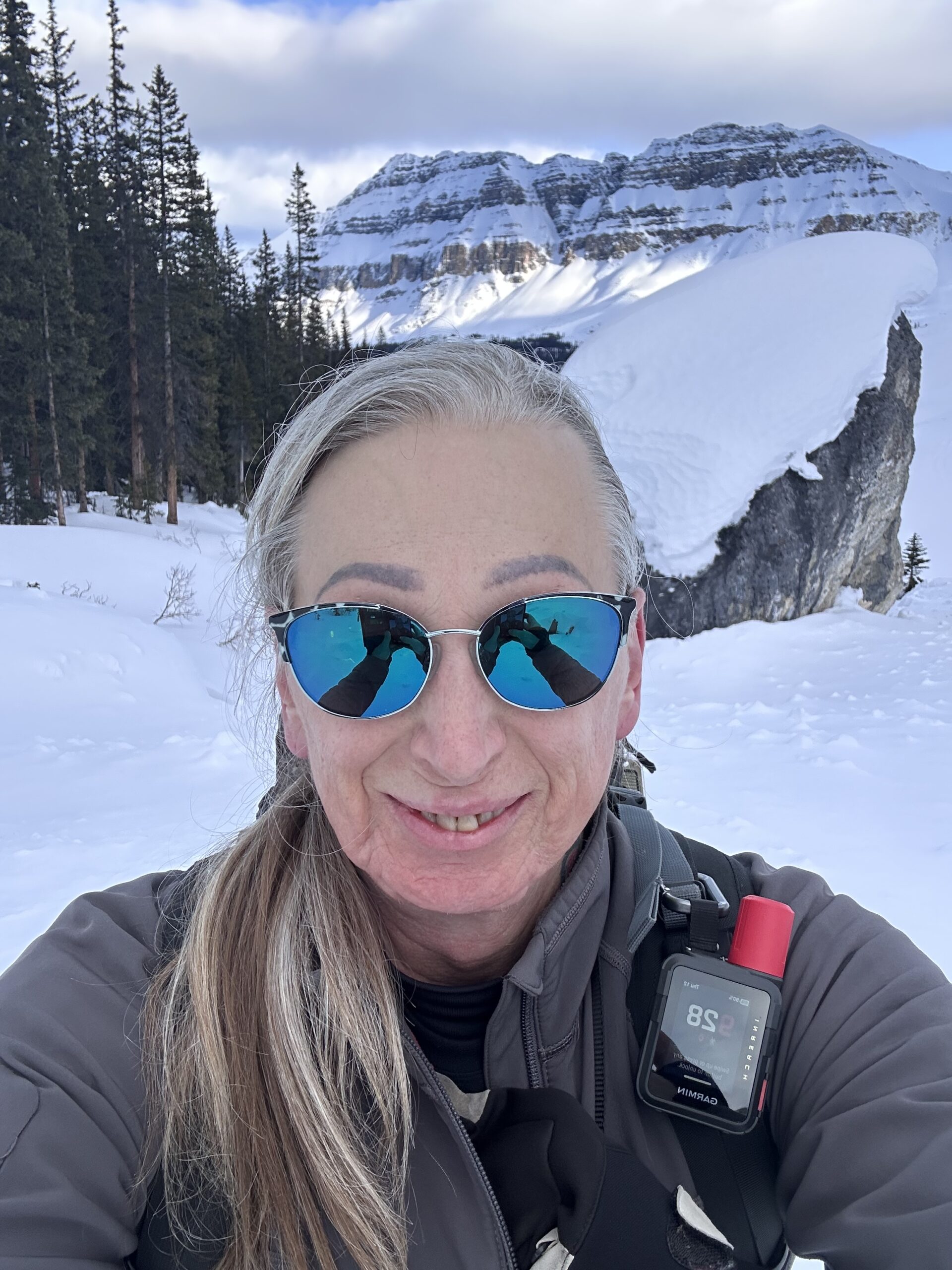
Certified private hiking guide and professional interpretive practitioner based in the Canadian Rockies. With over 25 years of four-season mountain experience, she offers thoughtfully paced hiking experiences that help active adults explore mountain landscapes with care, confidence, and understanding. Meet Niki