Visually Extraordinary, Logistically Tight, and Best Chosen Deliberately
The Moraine Lake Area is one of the most visually powerful parts of Banff National Park, but it is also one of the least forgiving places to approach casually.
This is not an area I would present as an automatic summer default simply because the scenery is famous. The setting is remarkable. The alpine basin is unmistakable. The surrounding peaks, rising slopes, and routes into higher country create one of the most concentrated mountain landscapes in the Rockies. But it is also an area shaped by controlled access, timing pressure, visitor volume, and the reality that many people are trying to experience the same place through a narrow logistical window.
That does not make Moraine Lake less worthwhile. It makes it more selective. For some guests, it is absolutely the right choice. For others, it is better approached carefully, or balanced with areas that protect pace and experience more easily. If you want help choosing actual route options, continue to Moraine Lake Area Hikes. If you want to explore the wider Banff hiking structure, including area overviews, hike categories, and guided options, the Banff hub page is the best place to step back.
The Landscape of the Moraine Lake Area
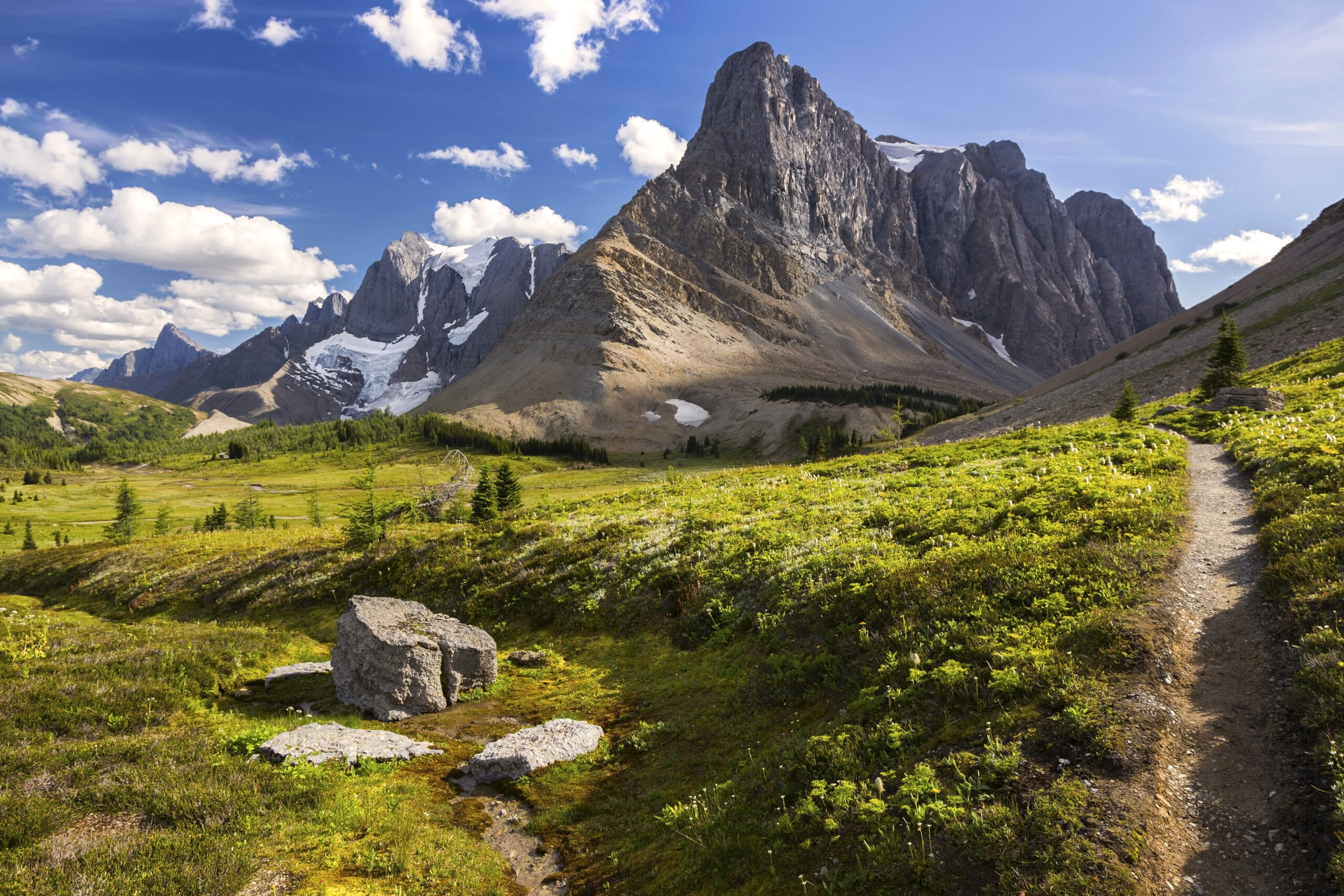
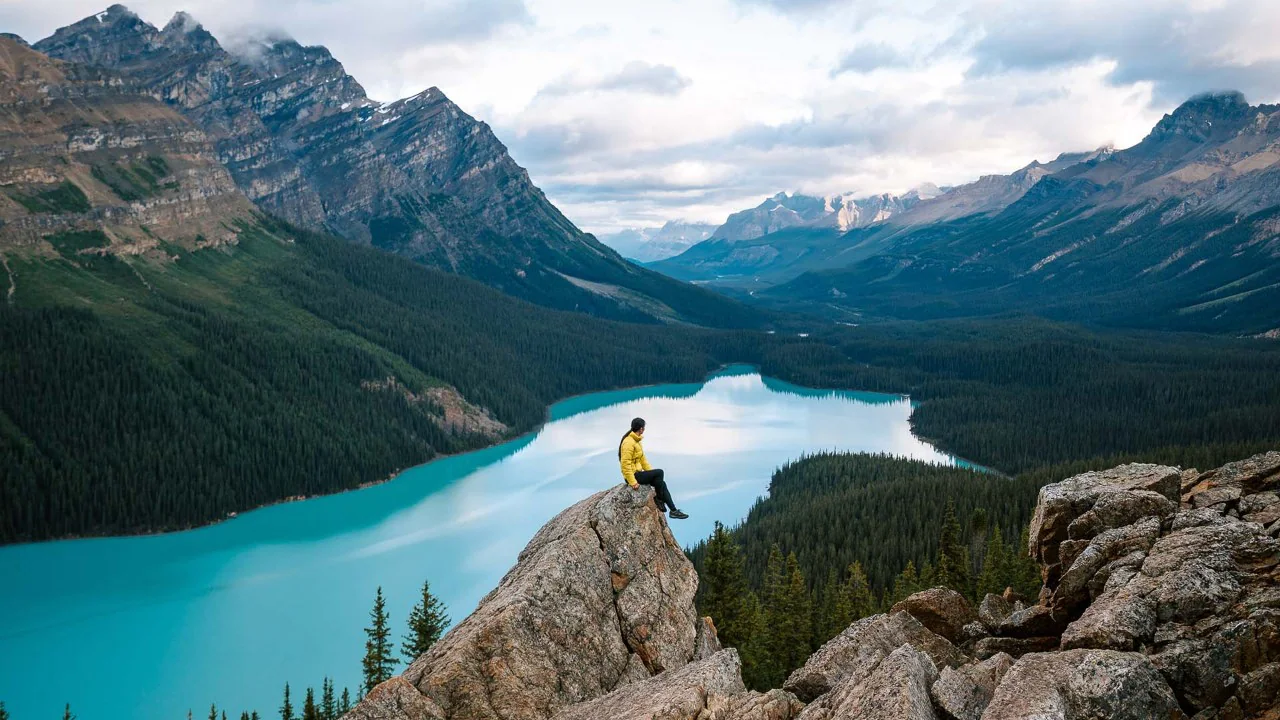
The Moraine Lake Area sits within a high mountain valley framed by steep rock walls, hanging slopes, alpine passes, larch terrain, and one of the most recognizable lake settings in the Canadian Rockies.
What gives this area its particular force is how concentrated the scenery feels. The lake, the Valley of the Ten Peaks, the slopes above the basin, and the route access toward higher terrain all create a landscape that is immediately dramatic. You arrive and the mountains are already fully present.
That concentration is one of the area’s great strengths, but it also shapes how it functions. Moraine Lake is not simply beautiful. It is compressed. The visual reward is immediate, but so are the logistical realities. The setting asks a great deal of the day before the hiking even begins.
For some guests, that intensity is part of the appeal. They want a place that feels iconic from the first moment. For others, the same concentration can make the day feel narrower than they expected. This is one of those areas where the emotional quality of the experience depends heavily on whether the place actually suits the kind of day the guest wants to have.
History and Human Context
Moraine Lake has become one of the defining images of Banff, and that visibility has changed the hiking experience around it.
This is one of the clearest examples in the Rockies of how iconic landscape and managed access now interact. The area is heavily sought after, access is controlled, and the visitor experience is shaped long before anyone starts walking. Transportation decisions, booking realities, start times, and the compression of visitor demand all play a major role in what kind of day this becomes.
That is why I think it is important to speak honestly about Moraine Lake. It is not enough to say that it is beautiful. Many places in the Rockies are beautiful. The real question is whether this particular setting, with its access realities and its concentrated energy, is the right fit for the kind of day the guest wants.
This is also where interpretation can matter in a quieter way. A place like Moraine Lake is so visually immediate that it can easily become just another famous image unless the day slows enough for the basin to feel more fully understood. For many guests, that is part of what turns the outing into something more memorable than a high-pressure visit to a very beautiful place.
If you want more context on how access systems shape Banff experiences, Parks Canada Reservations and the Illusion of Access is the best companion read.
Ecology and Wildlife
Although the Moraine Lake Area is extremely popular, it remains mountain habitat shaped by elevation, snow persistence, avalanche terrain, subalpine forest, larch stands, and alpine travel routes.
This matters because the landscape can look highly welcoming at first glance while still carrying real mountain conditions. Seasonal closures, lingering snow in higher terrain, changing trail surfaces, and wildlife considerations all influence how the area functions. Like much of Banff, it is not just scenery. It is an active mountain environment that happens to attract enormous attention.
For hikers who enjoy interpretation, this area can be especially rewarding because the ecological transitions are so visible. Forest, meadows, larch zones, open passes, and higher alpine terrain often connect within a single route. That gives the day a strong sense of movement through different layers of the mountain.
For many guests, that is where the place becomes more than a postcard. The landscape begins to feel lived rather than simply admired.
Geology and Landform Character
The Moraine Lake Area has one of the clearest and most recognizable glacial signatures in the park.
The lake basin, the morainal setting, the surrounding peaks, the valley structure, and the routes rising into adjacent alpine terrain all create a landscape that feels highly legible and highly dramatic. Unlike areas where scenery unfolds gradually, Moraine Lake presents itself almost immediately.
That immediacy contributes to the area’s appeal, but it also means the destination can overshadow the actual hiking if the day is not shaped carefully. The lakefront is only one part of the story. The surrounding terrain is what determines whether the outing becomes a full mountain day or remains a compressed scenic stop.
That is one of the central tensions of this area. The beauty is obvious. The deeper experience has to be protected more deliberately.
What Hiking Here Feels Like
Hiking in the Moraine Lake Area often feels iconic, concentrated, and highly destination-aware.
For some guests, that is exactly right. They want one of Banff’s signature alpine settings and are willing to accept the access structure that comes with it. For others, the area can feel more compressed than restorative, especially during the busiest periods of summer.
That is why I do not think of Moraine Lake as an all-purpose recommendation. It is better understood as a very specific kind of Banff day: visually extraordinary, highly access-sensitive, and strongest when the guest genuinely wants what this area does best.
Private guiding can be especially valuable here because it helps protect the day from becoming just a transportation exercise or a race through a famous place. Route choice, timing, and expectation-setting matter here more than almost anywhere else in the cluster. When those are handled well, the basin can become something more than a famous stop. It can become a place people actually connect with.
Seasonal Character of the Area
Season shapes the Moraine Lake Area sharply.
The higher terrain is not ready early simply because the lake has opened or the weather in town looks favorable. Snow can linger. Passes can remain seasonally delayed. Mid-summer brings the broadest access window, but it also brings the highest visitor pressure. Early fall can be beautiful, especially with larch season in play, but it also intensifies demand and shortens the margin for spontaneity.
This is one of the clearest examples in the Banff cluster of why I do not present iconic areas as universally ideal in July and August. Moraine Lake can be exceptional, but it is also highly timing-sensitive and highly demand-sensitive.
If timing is still part of your decision, When Is the Best Time to Visit Banff for Hiking? helps place Moraine Lake in a broader seasonal context.
Why This Area Feels Different from Other Parts of Banff
Compared with Lake Louise, Moraine Lake is often even more singularly tied to one access system and one concentrated mountain setting. Compared with Banff and Area, it is far less flexible and far more destination-compressed. Compared with the Bow Valley Parkway, it is less distributed and less spacious in feel. Compared with the Icefields Parkway, it is less about corridor scale and more about one intensely iconic alpine basin. Compared with Banff High Alpine, it may overlap in alpine feeling, but it is much more access-controlled and much more centered on one famous location.
Compared with Kananaskis, Moraine Lake is almost the opposite end of the experiential spectrum. Kananaskis often offers more room, more natural flow, and easier pace protection. Moraine Lake offers concentrated iconography and a much narrower path to a good day.
That does not make one better than the other. It simply changes what kind of experience each place is capable of giving.
A Guide’s Perspective
As a guide, I think of Moraine Lake as a place where honesty matters more than enthusiasm.
It would be easy to sell this area purely on image, but that would not be fair to the guest. The stronger approach is to ask whether the guest actually wants this kind of day: iconic, controlled, timing-sensitive, and visually spectacular. For the right person, the answer is absolutely yes. For the wrong fit, the same area can feel more pressured than memorable.
Private guiding helps here because it lets the day be shaped intentionally. We can choose the right route, set expectations properly, and avoid letting the destination’s fame dictate the whole experience. The goal is not just to get someone into a famous place. It is to help the place become meaningful rather than merely impressive.
If you are thinking about whether that kind of support would make the day stronger, Do You Need a Hiking Guide in Banff is the most relevant next read.
How This Area Fits Into a Rockies Trip
The Moraine Lake Area usually fits best into a Rockies trip when guests want a signature alpine setting that feels unmistakably iconic.
Sometimes that means a classic Banff day built around one concentrated mountain basin. Sometimes it means choosing a high-value outing where scenic intensity matters more than route flexibility. And sometimes it means balancing one highly sought-after day here with calmer, more spacious days elsewhere in the trip.
For some travelers, Moraine Lake is an essential part of the journey. For others, it is better approached as one carefully chosen day rather than a central organizing principle. The key is not whether it is beautiful. It is whether its particular combination of icon status, access pressure, and scenic intensity is relevant to the trip they actually want.
If you are considering a private guided hiking day near Banff, you can start with Private Guided Hiking in Banff to understand the broader service area, view Hikes & Pricing to compare current guided hike options, visit the Private Guided Hiking FAQ for practical questions about pace, preparation, route choice, logistics, and what to expect, or Begin a Conversation if you would like help choosing the right route for your pace, timing, access, and current conditions.
Frequently Asked Questions About Moraine Lake Area Hiking
Is the Moraine Lake Area worth hiking?
Yes, often very much so, but it is not a simple or automatically relaxed part of Banff. The area is exceptional, but it is also highly access-sensitive.
Is Moraine Lake more difficult to access than Lake Louise?
Often, yes. The area is more tightly controlled and more compressed around a single access structure.
Is Moraine Lake a good fit for active adults over 50?
Yes, often, when the route and day are matched well. The key is not age but whether the guest wants the kind of concentrated, timing-sensitive experience this area offers.
Is Moraine Lake best in summer?
It is most commonly visited in summer and early fall, but it is not automatically ideal at every point in that window. Timing and access pressure matter a great deal.
Is Moraine Lake better than Kananaskis?
Not better in every case. It is more iconic and more concentrated. Kananaskis often offers a calmer and more naturally spacious day.
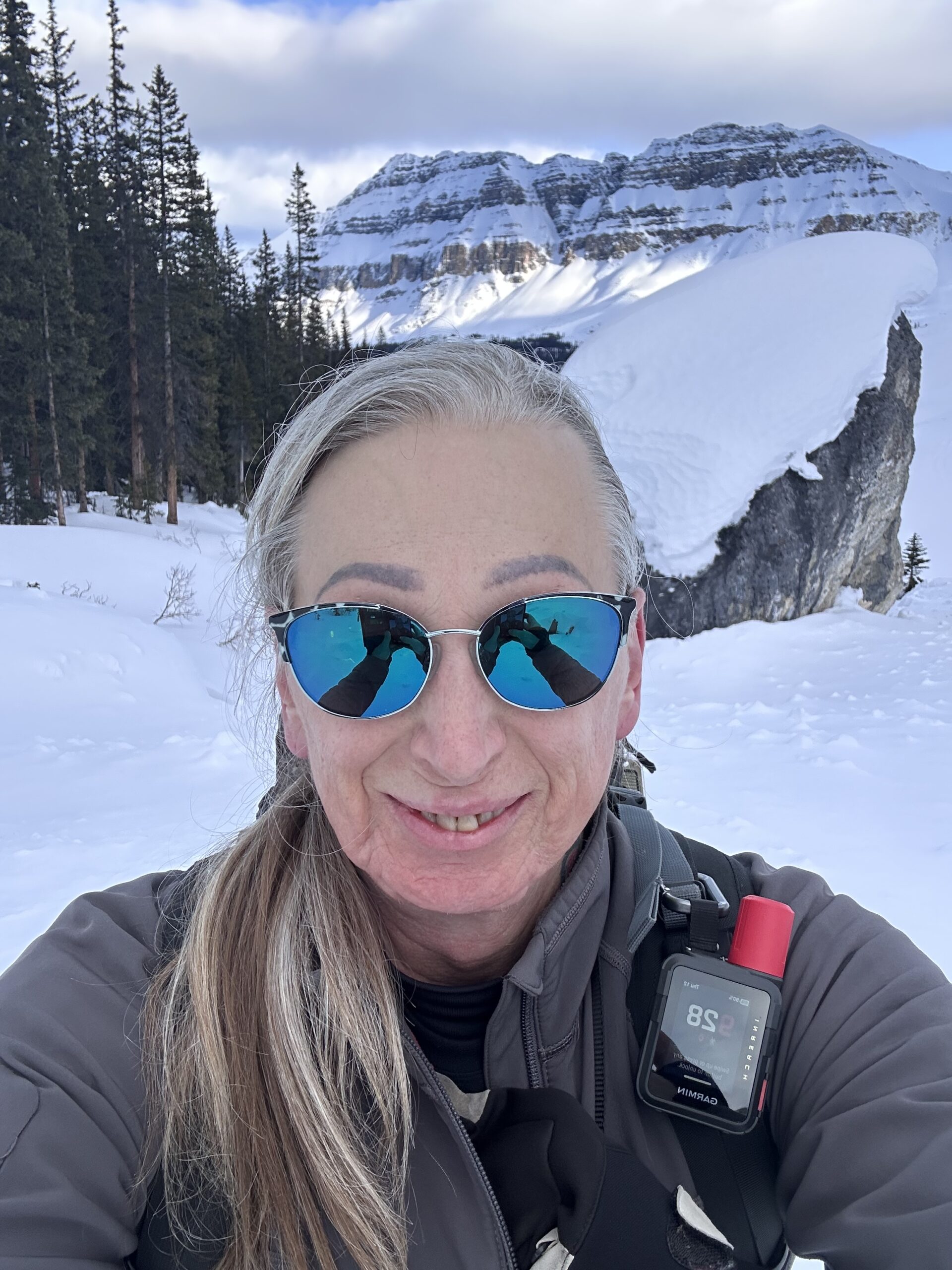
Certified private hiking guide and professional interpretive practitioner based in the Canadian Rockies. With over 25 years of four-season mountain experience, she offers thoughtfully paced hiking experiences that help active adults explore mountain landscapes with care, confidence, and understanding. Meet Niki