There’s a moment that happens on certain days in the Rockies when the noise drops away — not just sound, but urgency.
It usually happens before the destination.
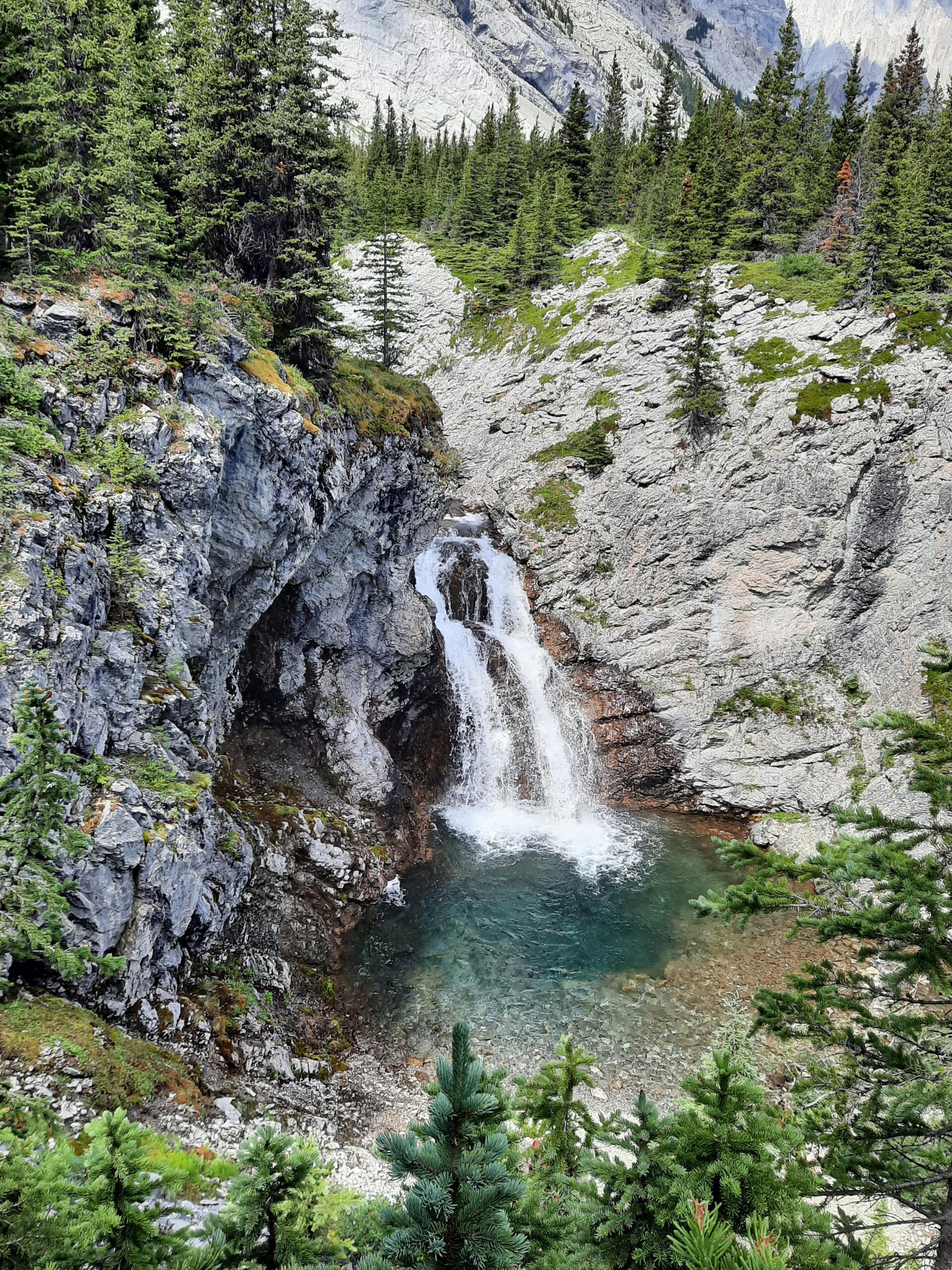
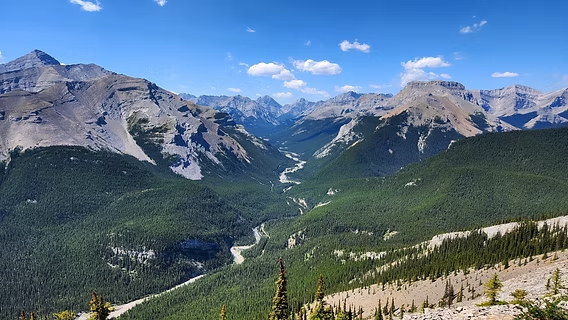
On this day, we left the Icefields Parkway just north of the main Peyto Lake turnout and stepped into a forest that most people never see. The shift was immediate. Moss-covered ground softened each step. The air cooled. The road noise disappeared within minutes.
This is one of the quieter ways to experience Peyto Lake — not from above, not from a viewing platform, but from within the landscape that holds it.
The route follows an old road bed and a lightly traveled trail, gentle enough to settle into quickly. There’s some incline, but nothing that asks for effort beyond steady movement. The kind of terrain where conversation can come and go naturally, and silence never feels awkward.
That matters more than most people realize.
So many visitors arrive at Peyto Lake already holding tension — from parking stress, shuttle logistics, crowds, or the pressure to “see it quickly” before moving on. That pressure is part of a larger pattern shaping iconic destinations across Banff and Lake Louise. What happens when iconic hikes become overcrowded.
Even when the view is spectacular, it’s hard to arrive fully when the body hasn’t had time to arrive first.
This approach changes that.
As we moved through the forest, the pace stayed calm. There was no sense of being behind or ahead of anything. The trail allowed for natural pauses — not formal stops, just moments where you slow because the light shifts or the trees open slightly.
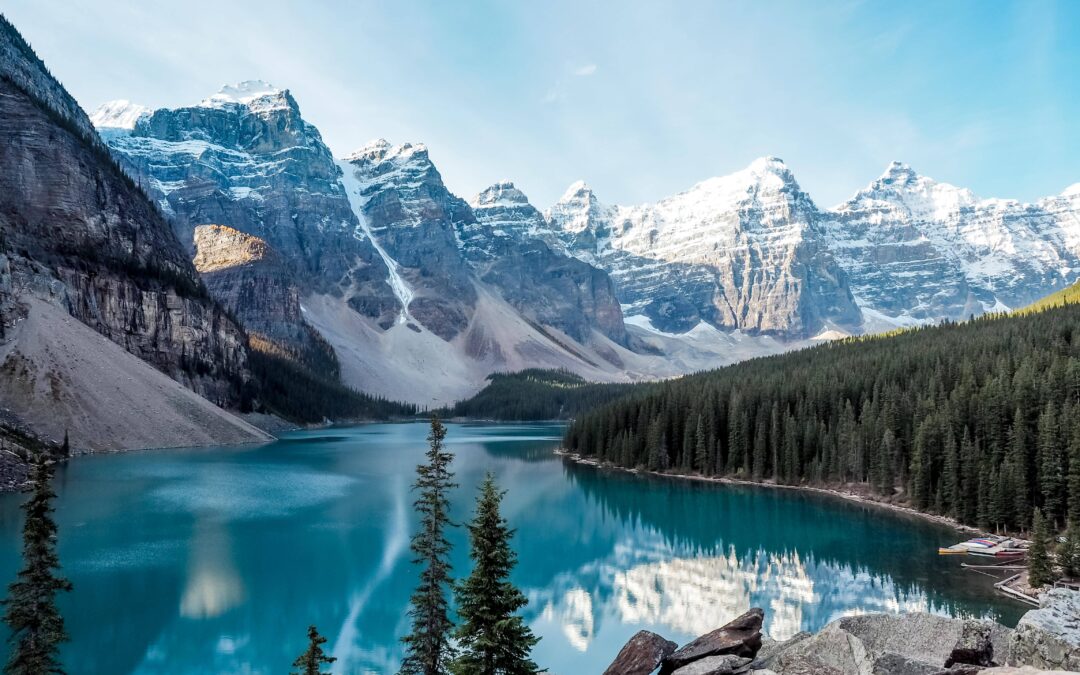
Eventually, the forest thinned and the lake appeared — not all at once, but gradually. A widening of space. A soft edge of shoreline. No boulder hopping. No narrow catwalks. Just open ground and water.
Peyto Lake is famous for its color, but what people often miss is how much the setting shapes the experience of it. Down here, at lake level, the turquoise doesn’t feel like a postcard. It feels held. Still.
We spent time there without a clock running in the background.
Lunch was unhurried. Photos happened naturally, without anyone feeling rushed by a line forming behind them. Some people sat quietly. Others wandered a short distance along the shore. The beach made it easy — no scrambling, no balancing, no need to “watch your step” every second.
That ease changes how long people stay.
When you’re not managing footing or crowd pressure, your attention goes elsewhere. To the water. To the sound of wind moving across the surface. To the way the color shifts depending on cloud cover.
Afterward, we continued on, moving gradually toward another valley, carrying that same rhythm forward. It wasn’t about stacking highlights or checking boxes. It was about letting one place settle before introducing the next.
This is often what people over 50 tell me they’ve been missing — not scenery, but how they move through it.
For many, the issue isn’t ability — it’s how the day is structured and why a guided day can feel harder than it should
They’re capable. They’re fit. They’ve traveled widely. But somewhere along the way, many experiences became compressed. Rushed. Managed.
Days like this offer something different.
Not secrecy. Not “hidden gems.” Just thoughtful timing, quieter access, and a pace that respects both the landscape and the people walking through it.
By the time we turned back, there was no sense of having “missed” anything. If anything, the opposite. The day felt complete without being full.
That’s one of the quiet lessons the mountains teach when you let them:
You don’t need to do more to experience more.
You need space.
You need margin in mountain guiding.
And you need a pace that lets the place speak.
This was not a dramatic day. It didn’t need to be.
It was simply a good way to walk through the Rockies — one that leaves room for understanding, memory, and ease to take hold.
And for many people, that’s exactly what they’ve been looking for.
If you’re exploring thoughtful travel in the Rockies, you’re welcome to begin a conversation.
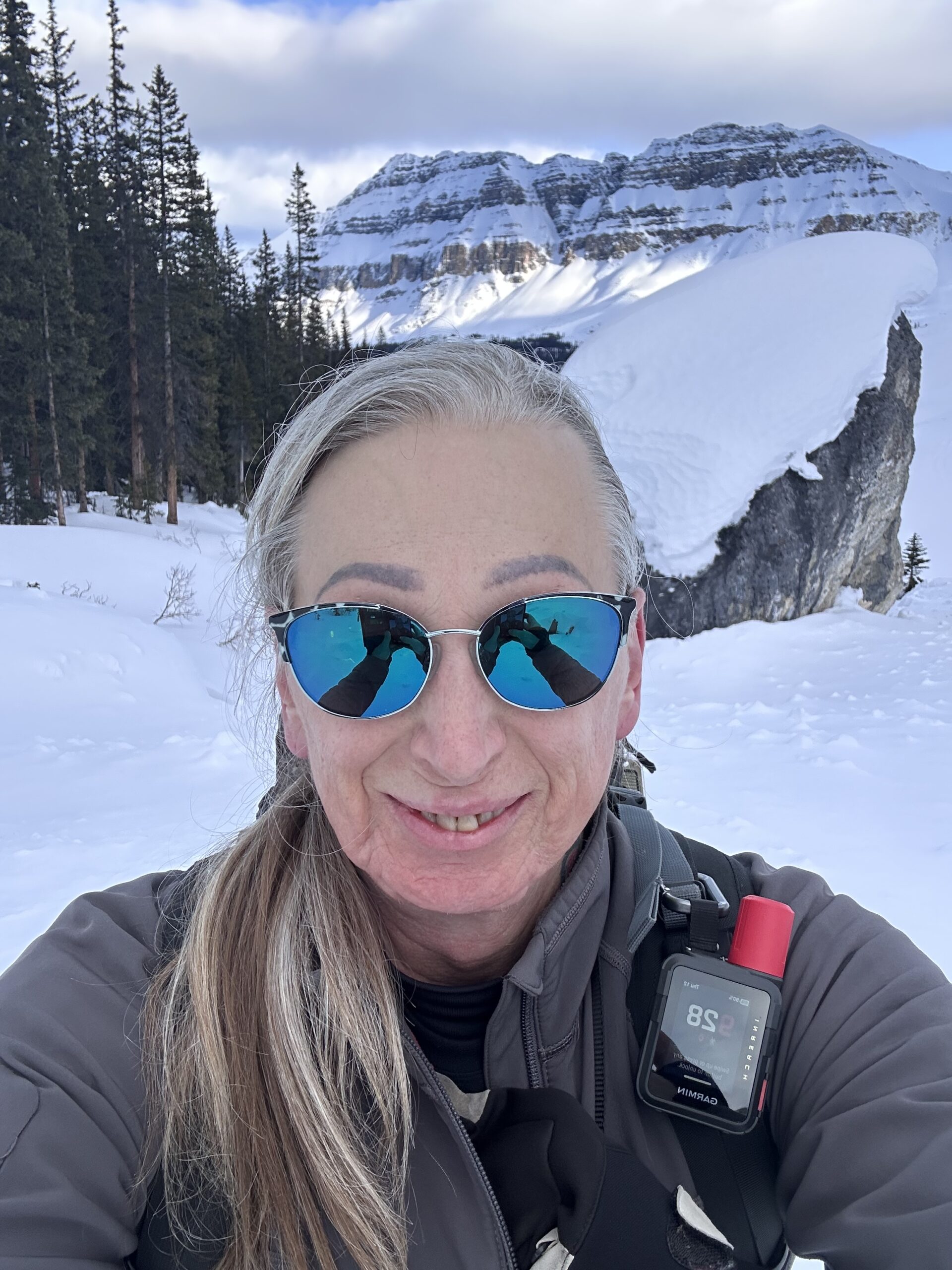
Certified private hiking guide and professional interpretive practitioner based in the Canadian Rockies. With over 25 years of four-season mountain experience, she offers thoughtfully paced hiking experiences that help active adults explore mountain landscapes with care, confidence, and understanding. Meet Niki