Where the Day Becomes More About Terrain Than Convenience
Banff High Alpine hiking is less about convenience and more about terrain, timing, and exposure.
This is the part of Banff where the experience changes noticeably once you leave valley hiking behind. Tree cover thins. Views widen. Wind and weather begin to matter more. Routes become more season-sensitive. The day starts to feel shaped less by the trailhead and more by the openness of the mountain itself.
For many guests, this is where Banff feels most vivid. The scenery is broader, the terrain more legible, and the experience often feels closer to what people imagine when they picture a true mountain day in the Rockies. For others, it is the point where hiking stops feeling comfortably familiar and starts asking more of confidence, judgment, and timing.
That is why I do not treat Banff’s high alpine terrain as a simple upgrade from lower hiking. It can be exceptional, but it is also selective terrain. The right route, the right season, and the right fit matter more here than in many lower-elevation parts of the park. The question is not only whether a trail is scenic. It is whether you actually want the kind of day that alpine terrain creates.
If you are choosing specific routes, continue to Banff High Alpine Hikes. If you want the broader structure of the cluster, the Banff hub page is the best reference point.
The Landscape of Banff High Alpine Terrain
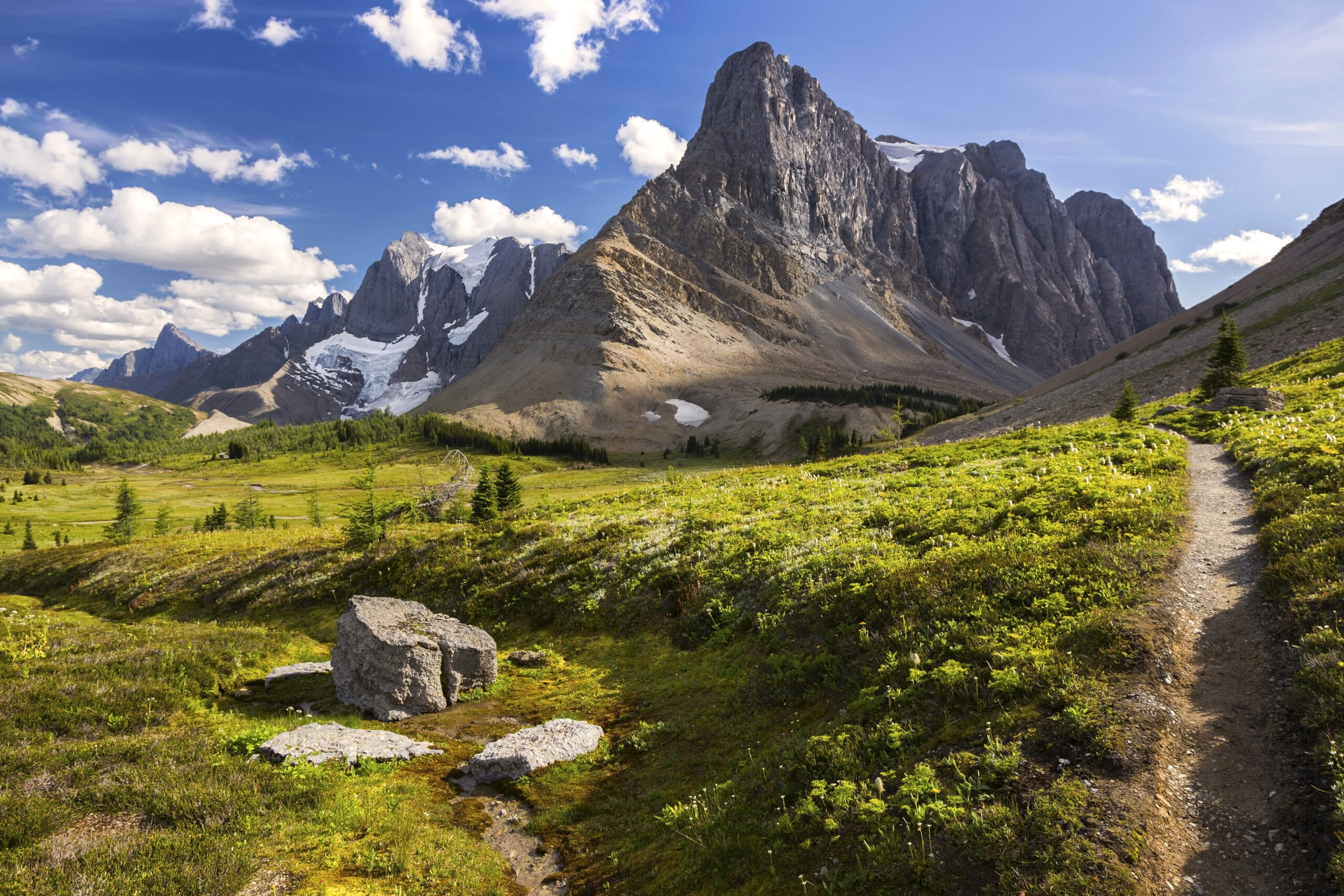
Banff’s high alpine terrain includes ridges, passes, open bowls, alpine benches, subalpine meadows, exposed viewpoints, and broad mountain slopes rising well above the valley floor.
What changes here is not only the scenery, but the quality of the day. The landscape becomes more open and more immediate. Distances can look shorter than they feel because the terrain is exposed and the vertical relief is easier to see. Wind is often more present. Shade is often less available. The mountains feel less like a backdrop and more like the active setting you are moving through.
This is one of the great strengths of alpine hiking in Banff. It places hikers in a more direct relationship with mountain form. The day is less filtered through forest and valley travel and more shaped by slope, elevation, and the physical structure of the terrain itself.
For the right guest, that can be deeply satisfying. Alpine hiking often feels cleaner, clearer, and more vivid than lower routes. It can also feel less buffered. That is part of the appeal, and part of what makes fit so important.
Human Context and Mountain Use
Banff’s high alpine terrain has long drawn hikers because it offers the kind of mountain experience many visitors imagine when they think of the Rockies: open slopes, high viewpoints, expansive ridges, and trails that feel closer to the shape of the peaks.
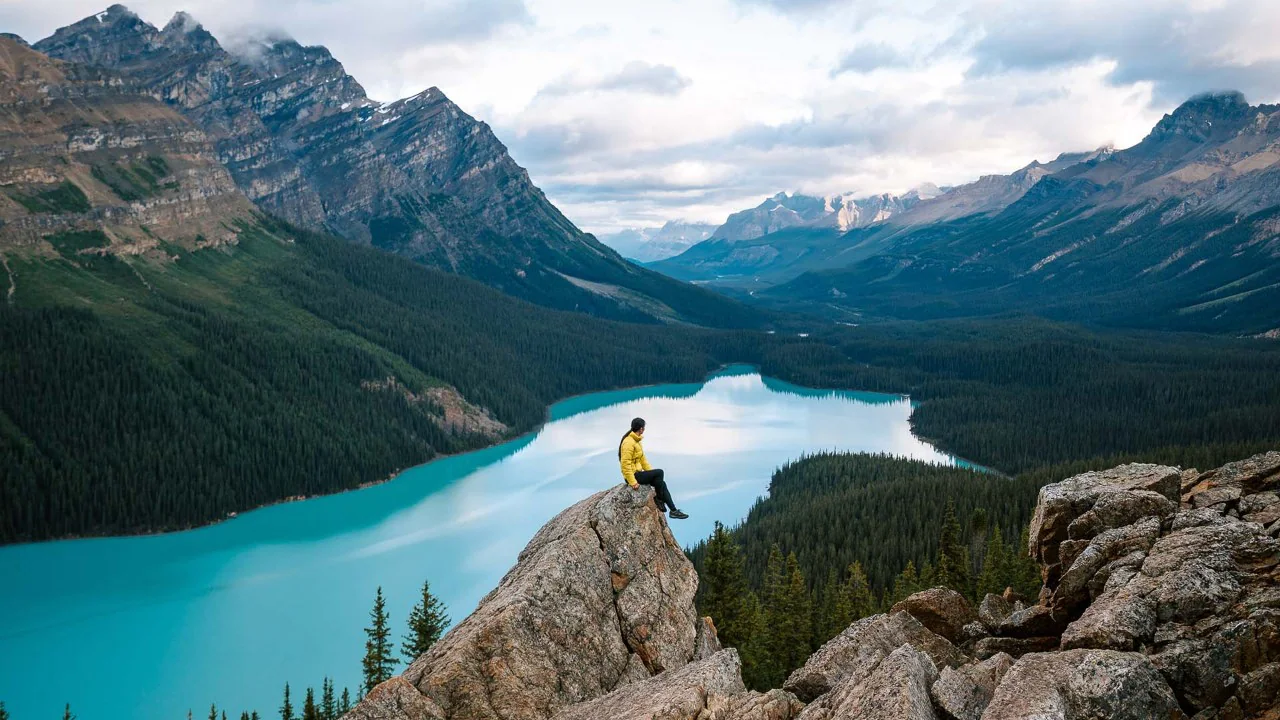
That appeal is real, but it also leads people to underestimate what alpine days ask of them. A trail does not need to be technical to feel more serious at elevation. Exposure matters. Footing matters. Weather matters. So does the psychological effect of openness, especially for people who are more comfortable when the landscape feels sheltered or contained.
For many visitors, the best alpine day is not the biggest one. It is the one that fits their confidence, pace, and appetite for openness honestly. High terrain tends to reward that kind of discernment.
This is also where interpretation can deepen the day in a quiet way. Above treeline, the landscape often becomes easier to read. Guests can see how ridges connect, how snow lingers, how slope and exposure change vegetation, how the mountain holds shape. For many people, that shift turns the experience from simply being “high up” into something more intelligible and memorable.
Ecology and Alpine Character
The ecology of Banff’s high alpine terrain is shaped by short growing seasons, exposure, snow persistence, fragile vegetation, and the reality that life at elevation moves at a different pace.
This is part of what makes alpine hiking feel so distinct. The landscape often appears more spare, more wind-shaped, and more seasonally compressed than lower terrain. Alpine flowers, lingering snow patches, talus slopes, open meadows, and wide views all contribute to the sense that you are moving through a more exposed mountain environment.
For hikers who enjoy interpretation, this terrain can be especially rewarding because the effects of climate, slope, snow, and exposure are so visible. The alpine is often less dense and more legible than the forest below. Patterns stand out more clearly.
That can make the experience feel unexpectedly personal. A guest who is paying attention is not just passing through beautiful scenery. They are often noticing how the mountain works, how life persists there, and how different the rhythm of the place is from the valley below.
Geology and Landform Character
Banff’s high alpine hiking is often defined by the legibility of the landforms.
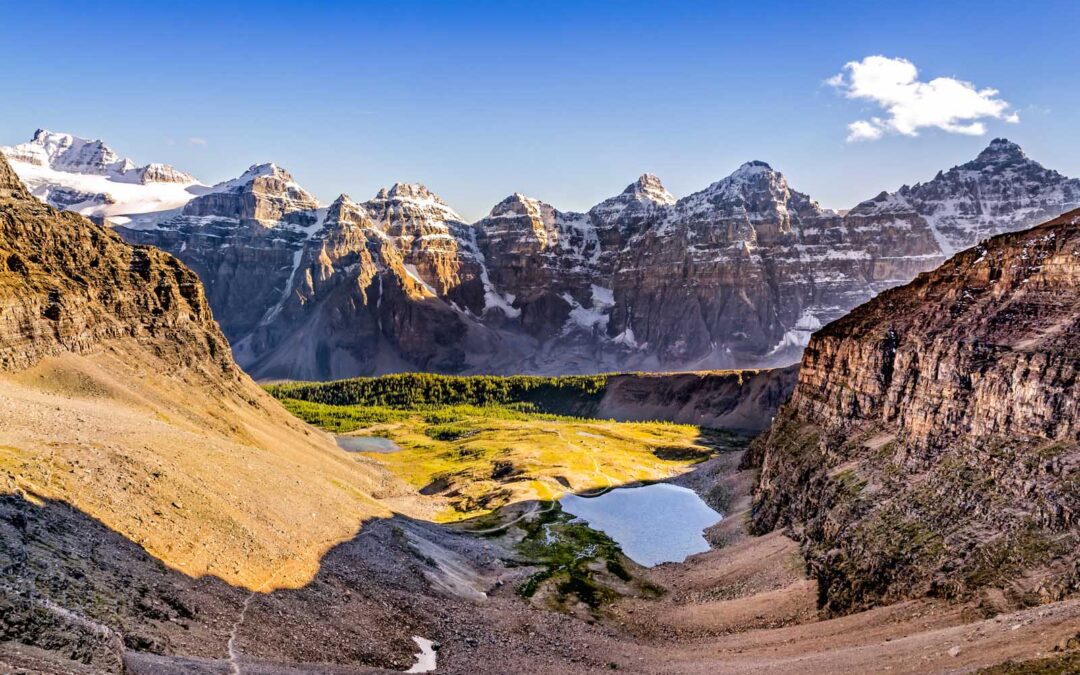
Ridges, cirques, benches, passes, avalanche paths, and broad mountain shoulders become more visible and easier to understand once you rise above the forest. In lower terrain, the trail may reveal itself gradually. In the alpine, the route often feels more fully exposed to the shape of the surrounding mountain. You can often see where you are heading, what the terrain is doing, and how the broader landscape fits together.
This changes the rhythm of a hike. The day tends to feel less enclosed and more structurally clear. For guests who enjoy not only scenery but orientation, this can be one of the pleasures of alpine terrain. It is not simply beautiful. It makes sense in a more immediate way.
That clarity is part of why some hikers find high alpine routes especially satisfying. They feel more directly engaged with the mountain itself.
What Hiking Here Feels Like
Hiking in Banff’s high alpine terrain often feels more open, more weather-aware, and more defined by the mountain itself than by the destination name.
That openness is what many guests come for. Alpine hikes can offer some of the widest, clearest, and most memorable mountain experiences in the region. At the same time, they are often less forgiving. Shade may be limited. Wind can affect comfort. Afternoon weather can matter more. Snow may linger longer than expected. Some guests feel invigorated by that shift. Others find that it changes the tone of the day more than they anticipated.
What matters here is not only whether a trail is scenic, but whether the experience of being in open mountain terrain feels appealing to you. Some people are nourished by that kind of exposure. Others enjoy it more in smaller doses.
This is one of the reasons private guiding can work especially well in alpine terrain. A good alpine day is not just about choosing a dramatic route. It is about choosing one that fits the guest’s pace, confidence, and comfort with a more open mountain environment, while allowing the place to be experienced more fully rather than merely endured.
Seasonal Character of the Area
Season matters sharply in Banff’s high alpine terrain.
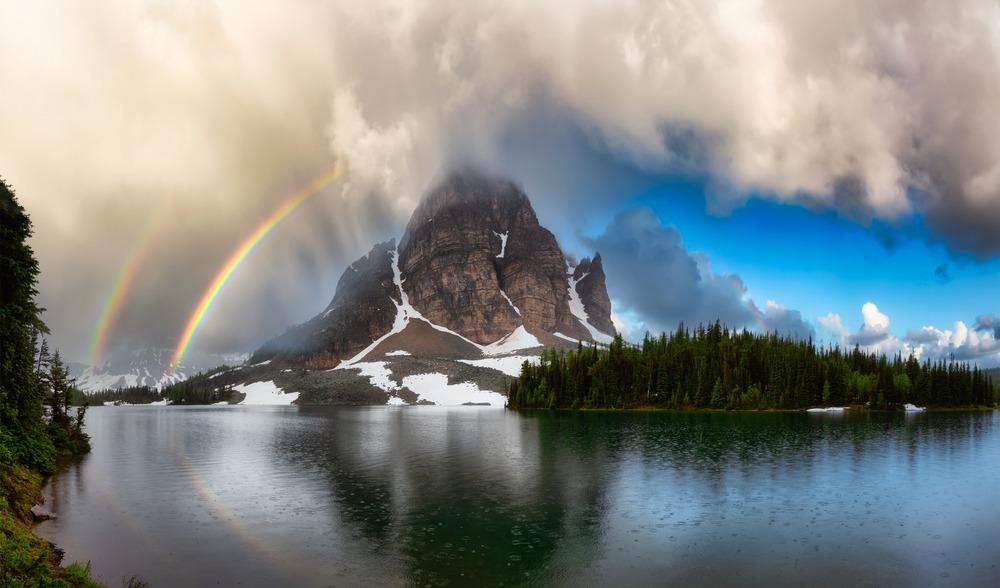
These routes generally come into shape later than lower valley hikes, and they often lose comfort earlier when fall weather begins to shift. Snow persistence, wet ground, afternoon storms, and shoulder-season uncertainty all shape what is realistic. Even in midsummer, alpine routes are not uniform. One hike may be in excellent condition while another still carries lingering snow or a very different feel than visitors expect.
This is one of the clearest examples in the Banff cluster of why I do not think of mountain hiking as a one-size-fits-all summer product. Banff High Alpine can be extraordinary, but it is also highly timing-sensitive.
For broader timing context, When Is the Best Time to Visit Banff for Hiking? is the most relevant companion article. If timing is part of your uncertainty, is the most useful companion for understanding when alpine terrain usually comes into shape.
Why This Area Feels Different from Other Parts of Banff
Compared with Banff and Area, Banff High Alpine is more exposed, more elevation-driven, and generally less flexible. Compared with Lake Louise, it is less about one concentrated iconic basin and more about the feel of alpine terrain itself. Compared with the Bow Valley Parkway, it is less corridor-based and more directly shaped by slope, weather, and openness. Compared with the Icefields Parkway, it may offer similarly alpine scenery, but without the same long-corridor driving dynamic.
Compared with Kananaskis, Banff High Alpine often feels more visited and more destination-oriented, while Kananaskis can sometimes provide more room and a calmer flow in peak season. That does not make one better. It simply changes which region gives the stronger day for a particular guest.
If those tradeoffs are part of your planning, Banff vs Kananaskis for Hiking is the best comparison page to read alongside this one.
A Guide’s Perspective
As a guide, I think of Banff High Alpine as terrain where restraint matters as much as ambition.
It is easy for visitors to assume that higher automatically means better. Sometimes it does. Sometimes it simply means more exposed, more crowded, later-season, or less comfortable than a lower trail that would have produced a stronger overall day. This is where judgment becomes very practical.
A good alpine day is one where the route, the weather window, the season, and the guest all line up. When that happens, the experience can be outstanding. When it does not, the day can feel forced.
Interpretive guiding can matter here in a quieter way than people often expect. In the alpine, the landscape is already vivid. But when guests begin to understand what the openness is revealing, how the terrain is structured, and why the mountain feels different above treeline, the day often becomes more than a scenic outing. It becomes a more meaningful encounter with the mountain itself.
How This Area Fits into a Rockies Trip
Banff High Alpine usually fits best into a trip when guests want a day that feels more open and elevated than the valley floor can offer.
Sometimes that means a hiking experience shaped more by terrain feel than by destination name. Sometimes it means a stronger scenic payoff tied to ridges, passes, or alpine benches. Sometimes it simply means including one carefully chosen midsummer or early fall outing that complements lower-elevation Banff days.
For some travelers, this becomes the most memorable part of the trip. For others, it is better approached as one well-chosen alpine day rather than the dominant theme of the itinerary. The key is not just that high alpine terrain is beautiful. It is that it offers a particular kind of mountain experience: more exposed, more direct, and often more vivid in the way the terrain reveals itself.
If you want help choosing actual routes, continue to Banff High Alpine Hikes.
If you are considering a private guided hiking day near Banff, you can start with Private Guided Hiking in Banff to understand the broader service area, view Hikes & Pricing to compare current guided hike options, visit the Private Guided Hiking FAQ for practical questions about pace, preparation, route choice, logistics, and what to expect, or Begin a Conversation if you would like help choosing the right route for your pace, timing, access, and current conditions.
Frequently Asked Questions About Banff High Alpine Hiking
What does Banff High Alpine mean?
It refers to the more open, higher-elevation hiking terrain in Banff where exposure, elevation, and alpine conditions shape the day more strongly than they do on valley-bottom routes.
Is Banff High Alpine hiking more difficult?
Often, yes, though not always because of distance alone. Exposure, weather, footing, and elevation all influence how demanding the day feels.
Is it suitable for active adults over 50?
Yes, often very much so, when the route is matched well. Many active adults do extremely well on alpine hikes that suit their pace and comfort with exposure.
Is Banff High Alpine best in July and August?
Often it is strongest in mid to late summer and early fall, but conditions vary. Higher terrain is more timing-sensitive than lower parts of the park.
Is Banff High Alpine better than Lake Louise or the Icefields Parkway?
Not better in every case. It offers a different kind of day, one more shaped by terrain feel and exposure than by lakefront iconography or long-corridor scale.
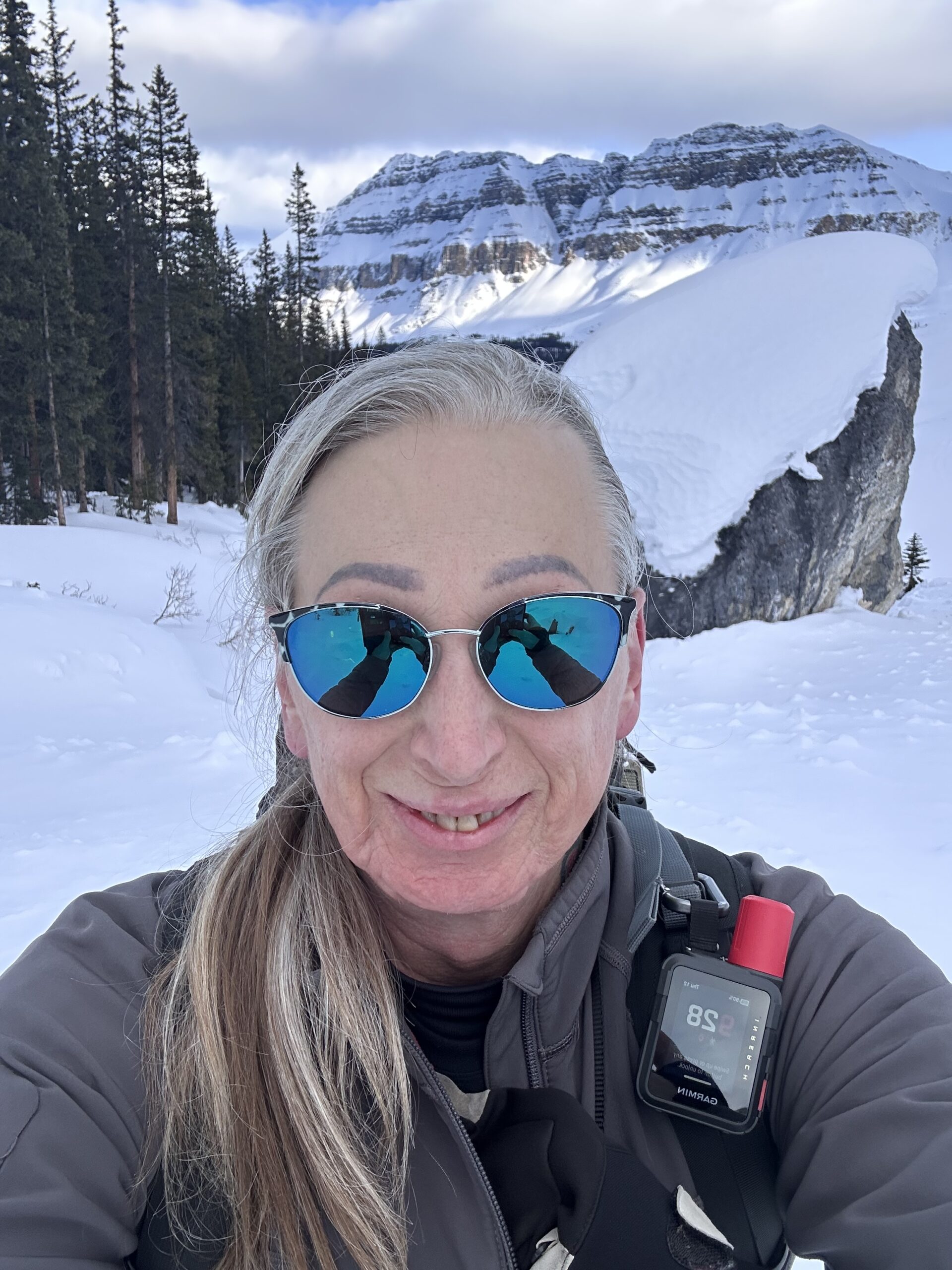
Certified private hiking guide and professional interpretive practitioner based in the Canadian Rockies. With over 25 years of four-season mountain experience, she offers thoughtfully paced hiking experiences that help active adults explore mountain landscapes with care, confidence, and understanding. Meet Niki