Parks Canada reservations in Banff are often framed as a solution. Secure a shuttle seat to Lake Louise. Book a time window. Reserve campground space. Plan ahead, and the experience should feel smoother.
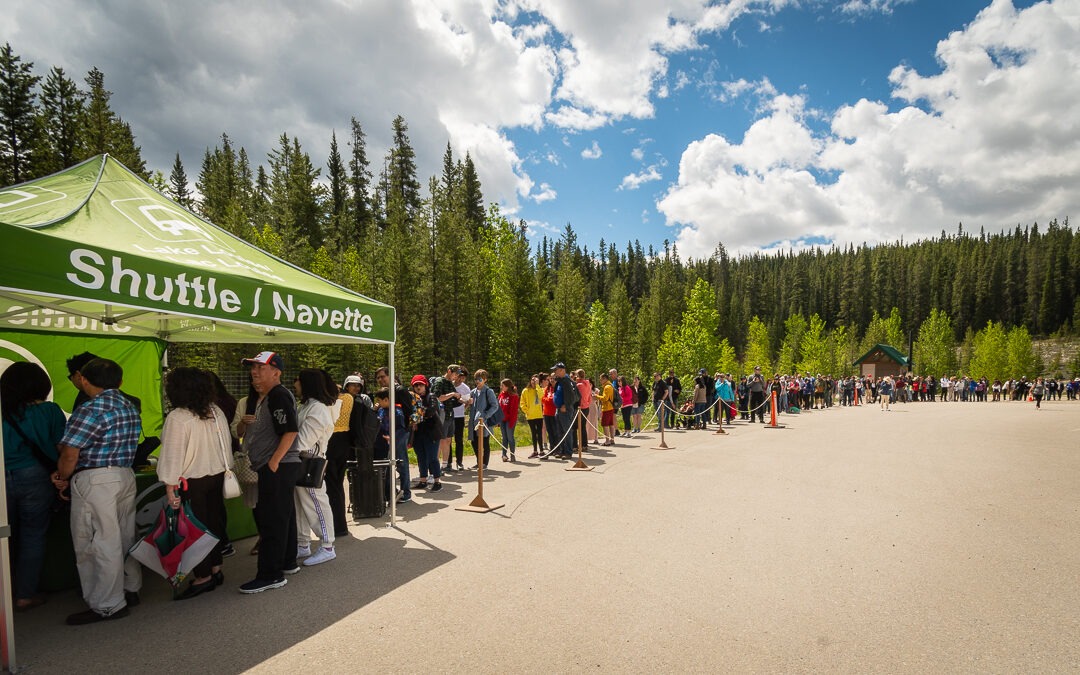
But on a July morning last season, I stood with two guests who had done everything right. Shuttle secured. Early slot. Clear skies. By 8:40 a.m., the lakeshore was already filling. The path narrowed into a steady stream of movement. The reservation had granted access. It had not guaranteed rhythm.
Many visitors assume that once a booking is secured, the experience will feel simpler. But as I’ve written about in Why Popular Hikes in Banff and Lake Louise Feel So Crowded, access does not always equal ease.
This is one reason thoughtful trip planning matters. For a broader view, see How to Plan a Trip to the Canadian Rockies.
What Reservations Actually Change
Parks Canada reservations in Banff regulate volume. They do not regulate behavior, pace, or expectation.
A shuttle system can: Reduce parking congestion, Spread arrivals across time blocks, Limit peak vehicle pressure.
It cannot: Slow people down, Prevent compression at scenic chokepoints, Restore quiet once density builds.
On the morning I mentioned, we adjusted within the first fifteen minutes. Instead of committing to the standard lake circuit, we shifted to a slightly higher line where foot traffic thins earlier. The view was similar. The soundscape was different. That decision happened before fatigue set in and before crowd pressure shaped the tone of the day.
That kind of early adjustment matters more than the reservation itself.
In How I Guide, I describe why timing decisions often carry more weight than parking access. Reservations are a tool. They are not a structure.
The Illusion of Simplicity
When a system feels organized, it can create an illusion of control.
Visitors think:
“We have a booking. We’re set.”
But reservations compress people into predictable windows. When hundreds of individuals hold similar time slots, trails feel full sooner. The pressure shifts from parking lots to pathways.
This is part of a larger structural shift in the parks, one that shows up clearly in Overcrowding at Lake Louise. The landscape has not changed. The movement patterns have.
For active adults 50+, this matters. Not because the terrain becomes unsafe. But because density affects energy. Decision-making becomes reactive. Breaks shorten unconsciously. The nervous system stays slightly elevated.
I’ve seen capable hikers finish a day more tired from navigating flow than from climbing elevation.
What Most People Overlook
Reservations regulate entry, not experience quality.
Experience quality is shaped by: Arrival timing relative to shuttle waves, Route selection beyond iconic loops, Willingness to pivot early, and Acceptance that a “backup” route may feel better.
On a late August afternoon, another pair of guests had afternoon shuttle reservations. By midday, the parking lot overflow was already pushing spillover traffic into secondary areas. Instead of fighting that tide, we moved thirty minutes south to a valley system with similar glacial features and far fewer arrivals.
The decision was not dramatic. It was quiet. It preserved steadiness.
This is also where Leave No Trace principles intersect with reservation systems. When density increases, small behaviors compound. Stepping off trail to pass. Short-cutting switchbacks. Leaving food scraps at busy viewpoints. Reservations don’t reduce those pressures automatically. Thoughtful route selection and conservative judgment do.
The Structural Tradeoff
Parks Canada reservations in Banff solve one problem and reveal another.
They reduce chaos at the gate.
They concentrate experience within defined corridors.
For some visitors, that structure is reassuring. For others, especially those who value spacious pacing and ecological integrity, it introduces a new kind of compression.
The question is not whether reservations are good or bad.
The more useful question is:
How do we design around them?
Sometimes that means arriving earlier than comfort suggests. Sometimes it means choosing secondary trailheads. Sometimes it means letting go of a specific icon altogether.
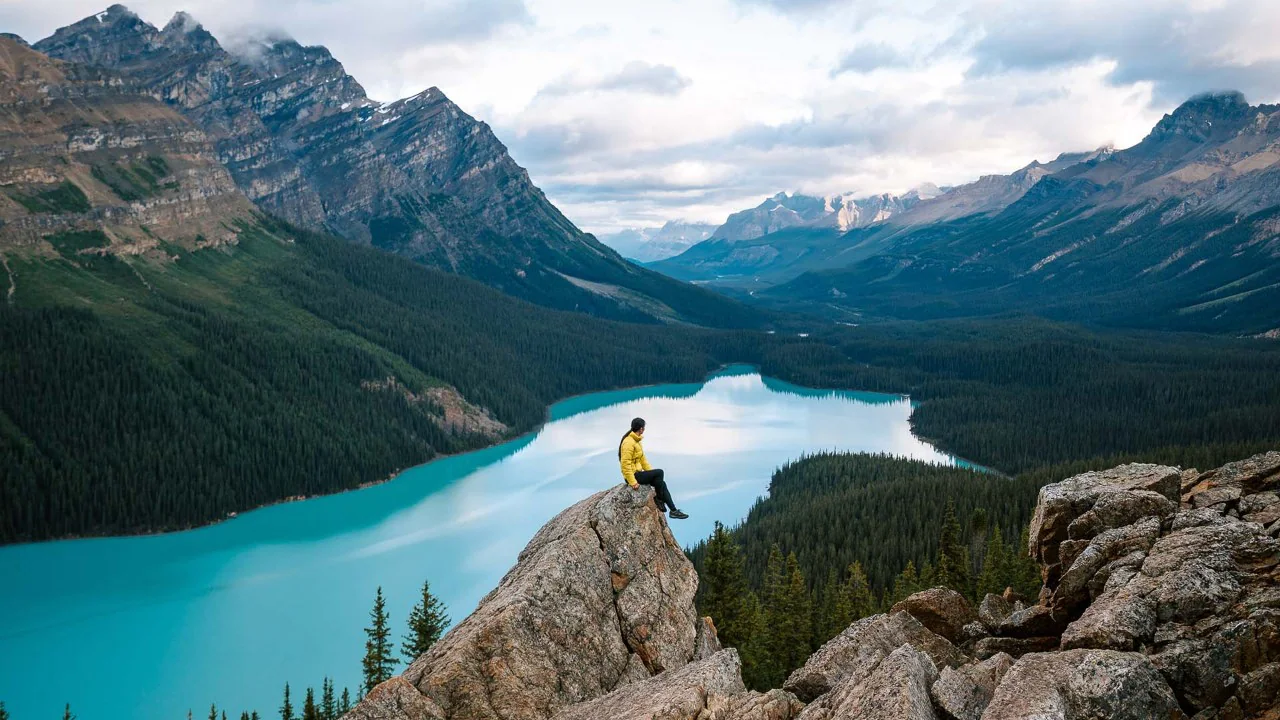
If you’re looking for alternatives that preserve rhythm, A Quiet Way to Experience Peyto Lake Without the Crowds offers one example.
Reservations create entry.
Structure creates experience.
And in the Canadian Rockies, the difference matters.
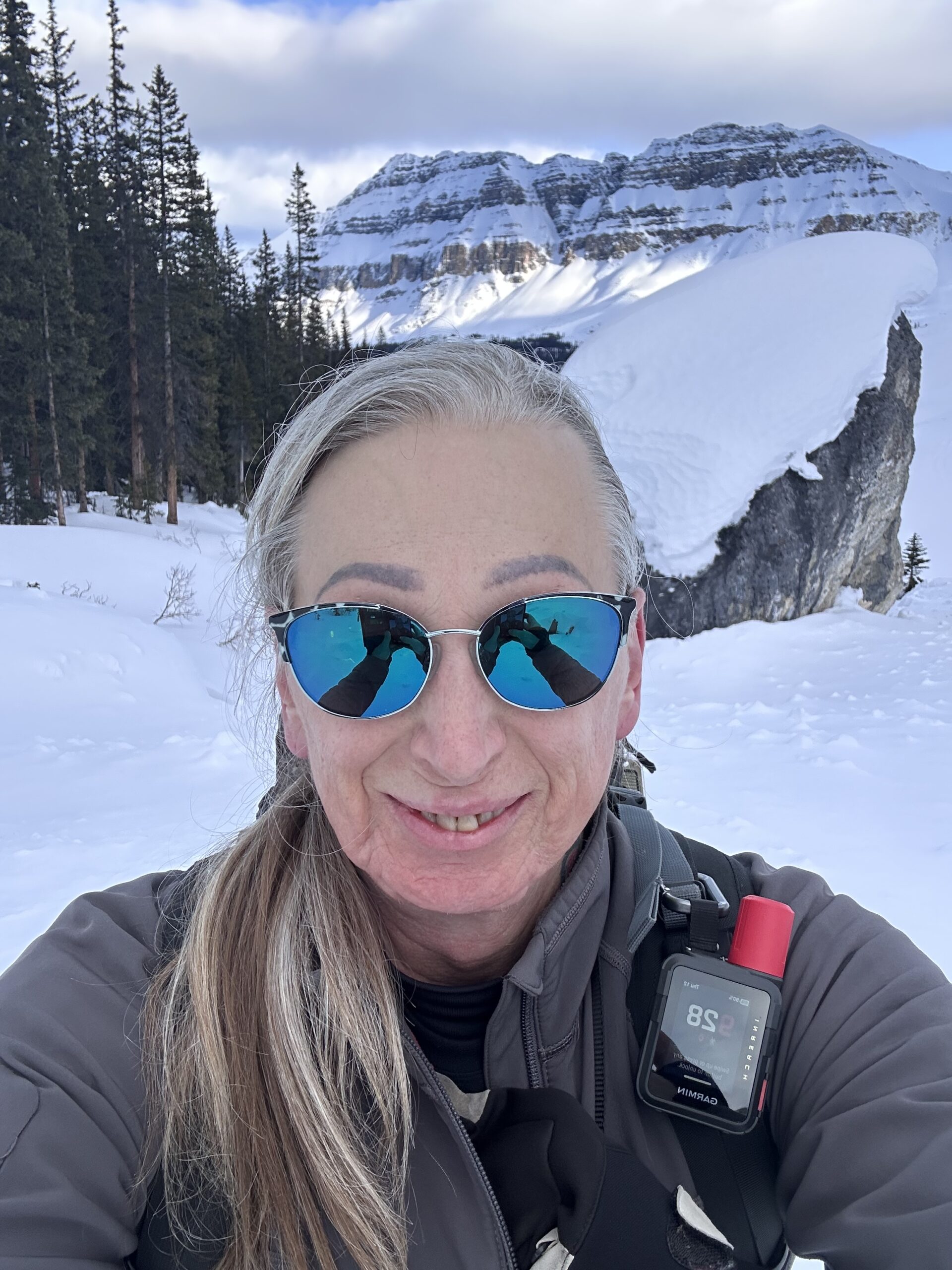
Certified private hiking guide and professional interpretive practitioner based in the Canadian Rockies. With over 25 years of four-season mountain experience, she offers thoughtfully paced hiking experiences that help active adults explore mountain landscapes with care, confidence, and understanding. Meet Niki