CHOOSING THE RIGHT ROUTE FOR A BIGGER MOUNTAIN DAY
The Icefields Parkway includes some of the most rewarding hikes in Banff for guests who want big mountain scenery, glacial landscapes, and a day that feels more expansive than a standard valley outing.
But as with the corridor itself, not every route offers the same kind of experience.
Some hikes are relatively short and deliver immediate scenic reward. Others are moderate day hikes that lead into wide alpine basins, lakes, or passes. Some are stronger and more physically demanding, especially once elevation gain, weather exposure, and driving time are taken into account. What matters most here is not just trail difficulty. It is how the whole day fits together.
That is what makes route choice on the Parkway a little different from choosing a trail near Banff or Lake Louise. A hike may look moderate on paper, but once the drive, the weather, the scale of the corridor, and the feel of the terrain are included, the day can land very differently than people expect.
If you want the broader character of the area itself, begin with Icefields Parkway. This page is about the hikes and how to choose among them in a way that actually suits the kind of day you want.
PEYTO LAKE AREA WALKS
Distance: Short and flexible, depending on route
Elevation gain: Minimal
Time: 30 minutes to 1.5 hours
Difficulty: Easy
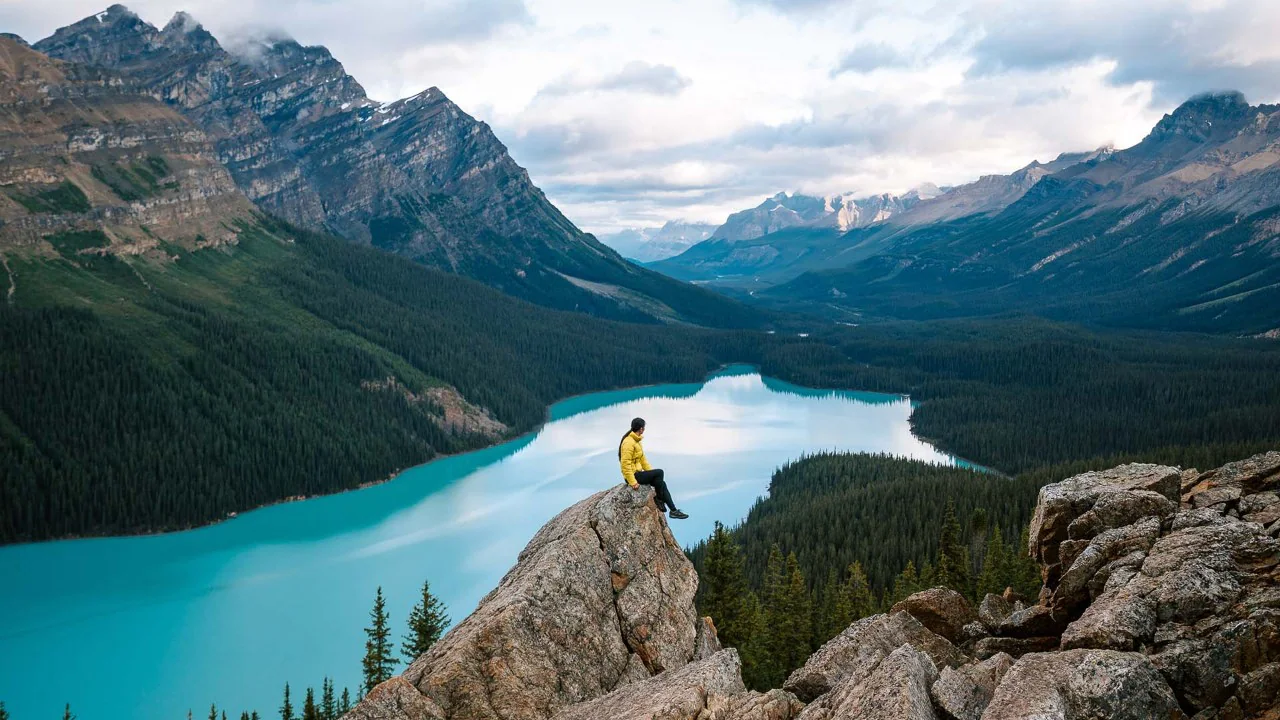
The Peyto Lake area is often treated as a quick scenic stop, but it can offer something more satisfying when it is approached with a little more intention.
For guests who want a lighter Parkway day, or who want to pair a shorter walk with a broader scenic outing, this area can work very well. The lake is famous for a reason. Its shape, colour, and mountain setting create an immediate impression. But the experience can feel compressed if it is approached only as a photo stop at the busiest time of day.
Given a little more space, Peyto begins to feel different. It becomes less about checking off a viewpoint and more about settling into the landscape itself. For guests who are not looking for a major hike but still want some movement and some genuine contact with the place, it can be a surprisingly worthwhile part of the day.
What makes this area work so well is not just the scenery, but the chance to experience one of the Parkway’s best-known places in a quieter, more atmospheric way.
If Peyto is part of the plan, A Quiet Way to Experience Peyto Lake Without the Crowds is the most useful companion page.
PARKER RIDGE
Distance: 5.4 km return
Elevation gain: 250 m
Time: 2 to 3 hours
Difficulty: Moderate
Parker Ridge is one of the most rewarding shorter hikes on the Icefields Parkway and one of the clearest ways to experience the scale of this corridor without committing to a long or overly demanding day on foot.
The trail climbs steadily into open terrain and reaches a ridge with sweeping views over the Saskatchewan Glacier and the surrounding high country. The reward comes quickly, but it does not feel shallow. The landscape feels vast, glacial, and unmistakably alpine.
For guests who want meaningful mountain scenery for a moderate amount of effort, Parker Ridge is often an excellent fit. It is especially appealing for active adults who want something memorable and expansive without turning the day into a grind.
What makes this hike work so well is that it gives people what many of them come to the Parkway hoping to feel: the presence of ice, the scale of the mountains, and the sense of stepping into a larger alpine world without asking too much of the day overall.
Learn More About the Half-Day Parker Ridge Hike in Banff
HELEN LAKE
Distance: 12 km return
Elevation gain: 455 m
Time: 4 to 5 hours
Difficulty: Moderate
Helen Lake is one of the most satisfying moderate hikes in the northern Banff corridor and one of the strongest choices for guests wanting a fuller Parkway day.
The trail climbs steadily through subalpine terrain and gradually opens into a broad alpine lake setting beneath high mountain slopes. Compared with hikes that deliver their reward all at once, Helen Lake feels more like a complete day in the mountains. The scenery unfolds in stages, and that gradual opening is part of what makes it so enjoyable.
For many guests, this is the kind of route that lands especially well because it has substance without feeling overly hard-edged. It feels like a real hike, but not one built around drama alone. There is room for the place to become more legible as the day goes on.
What makes Helen Lake work so well is that it offers both progression and payoff. It suits guests who want a steady, scenic day with enough movement to feel immersed, while still leaving space to notice where they are rather than simply push toward an endpoint.
Learn More About the Full-Day Helen Lake Hike in Banff
WILCOX PASS
Distance: 8 to 11 km return, depending on turnaround point
Elevation gain: 390 to 500 m, depending on route extent
Time: 3.5 to 5 hours
Difficulty: Moderate to challenging
Wilcox Pass is one of the most distinctive hikes on the Icefields Parkway because it combines a relatively manageable trail with an unusually large alpine setting.
The route rises into open terrain with broad views toward the Columbia Icefield and surrounding peaks. Unlike more enclosed mountain hikes, Wilcox feels open and exposed almost from the moment it begins to reveal itself. That openness is exactly what many guests love about it. It creates a strong sense of being fully in the high country. It also means wind, weather, and personal comfort with exposure matter more here than they do on more sheltered routes.
For guests who want a hike that feels unmistakably Parkway in character, Wilcox Pass is often one of the strongest options available. It offers scale, light, and alpine openness in a way that is very specific to this corridor.
What makes Wilcox Pass work so well is that it gives the right guest a true high-country feeling without requiring a highly technical outing. It is best for people drawn to open terrain and glacial scale, and less suited to those who want something more sheltered or compact.
Learn More About the Half-Day Wilcox Pass Hike in Banff
CIRQUE LAKE
Distance: about 9.4 km return
Elevation gain: about 720 m
Time: 4.5 to 6 hours
Difficulty: Challenging
Cirque Lake is a stronger, steeper outing for hikers who want a more physically involved day on the Icefields Parkway.
The trail gains elevation more aggressively than routes like Parker Ridge or Helen Lake and leads toward an alpine lake beneath impressive mountain walls. The day feels more effort-driven and less broadly suited to a wide range of guests, but for the right person it can be highly rewarding.
This is the kind of hike that needs to be chosen intentionally. It is not the best route simply because it looks dramatic on paper. It works best for stronger hikers who genuinely want the effort itself to be part of the value of the day.
What makes Cirque Lake work so well for the right guest is precisely that sense of earned immersion. For some, the challenge deepens the experience. For others, a route with more spaciousness and less physical demand will create the better day. The fit matters more here than the photograph.
BOW GLACIER FALLS
Distance: 9 km return
Elevation gain: Minimal to modest
Time: 2.5 to 3.5 hours
Difficulty: Easy to moderate
Bow Glacier Falls is one of the most useful Parkway options for guests who want strong scenery without building the day around a major climb.
The route follows the shore of Bow Lake and continues toward a dramatic waterfall beneath a broad mountain backdrop. Because the elevation gain is modest, the outing feels more accessible than some of the ridge and pass hikes nearby. That makes it a particularly good fit for guests who want a scenic and satisfying walk without the day becoming effort-heavy.
For many visitors, this kind of route is one of the best ways to enjoy the Icefields Parkway. Not every memorable mountain day needs to be built around height, exposure, or a bigger physical push. Sometimes the experience lands best when the scenery is strong, the movement feels natural, and the day keeps enough space to be fully enjoyed.
What makes Bow Glacier Falls work so well is that it offers a real sense of place without asking for a punishing amount of effort in return. It is often an excellent choice for guests who want beauty, movement, and a day that still feels light enough to hold comfortably.
Learn More About the Full-Day Bow Glacier Falls Hike in Banf
NIGEL PASS OR STRONGER PARKWAY OBJECTIVES
Distance: Varies
Elevation gain: Moderate to significant
Time: Fuller day
Difficulty: Moderate to challenging
For stronger hikers wanting a more substantial Parkway objective, routes such as Nigel Pass can offer a bigger and more physically involving day in open mountain terrain.
These hikes are best for guests who genuinely want a longer outing and who are comfortable with the added exposure, variable conditions, and broader logistical demands of the corridor. They are less about immediate scenic reward and more about the full mountain shape of the day.
This category works well on the Icefields Parkway because the landscape can carry a longer outing beautifully, but only when the guest and the conditions are a good match. Done well, a stronger objective here can feel immersive and deeply worthwhile. Done poorly, it can tip the day into something overbuilt or overly taxing.
That is one reason judgment matters so much in this corridor.
CHOOSING THE RIGHT KIND OF HIKE ON THE ICEFIELDS PARKWAY
Not every Parkway hike suits the same kind of day, and this is one of the most important things to understand before choosing a route.
Some guests want a shorter alpine outing with a strong visual payoff and a manageable amount of effort. Others want a fuller moderate day that feels like a real hike without pushing too hard on commitment or energy. Still others want a bigger objective where exposure, scale, and a stronger physical effort are part of the appeal.
The mistake I see most often is that people choose based only on scenery, as though every kind of beauty asks the same thing of the day. It does not. A route like Parker Ridge can be ideal for someone who wants to feel the scale of the Parkway without overextending. Helen Lake often works beautifully for guests who want a steady, substantial mountain day with room for the landscape to unfold. Bow Glacier Falls is excellent for those who want strong scenery with less climbing. Wilcox Pass suits hikers who are drawn to open alpine terrain and are comfortable with the more exposed feel that comes with it.
That is why I rarely think in terms of the “best” Parkway hike. I think in terms of what kind of day will still feel good, coherent, and memorable once the drive, the weather, and the guest’s actual energy are all included.
If that kind of matching matters to you, Best Hikes in Banff for Active Adults is a useful supporting read.
SEASONAL NOTES AND ACCESS REALITIES
The Icefields Parkway is one of the places where seasonal timing matters most visibly.
Snow lingers longer here than many visitors expect. Wind and weather remain relevant even on otherwise favorable days. Driving distances mean that even a modest trail can become part of a longer overall commitment. In midsummer, route access is usually strongest, but conditions still deserve respect. In early fall, the scenery can be exceptional, but the corridor often regains a sharper environmental edge quite quickly.
That is one reason I do not think of Parkway hikes as purely visual choices. The best route is the one that fits the whole day, not just the photograph in someone’s head.
For broader timing context, When Is the Best Time to Visit Banff for Hiking? is the most useful general companion.
PLANNING A HIKING DAY ON THE ICEFIELDS PARKWAY
Planning a hiking day on the Icefields Parkway is as much about shaping the day well as it is about selecting a trail.
This is one of those areas where people are easily tempted into doing too much. The drive is beautiful. The scenic stops are hard to ignore. The hikes look dramatic. But the best Parkway days are usually not the most overloaded ones. They are the ones where the route, the drive, the weather, and the guest’s energy all align well enough that the experience still feels grounded.
That is why I start with a few quieter questions. Do you want one strong hike, or several scenic stops with only a little walking? How do you feel about wind, exposure, and a longer driving day? Are you drawn to glacier views, alpine lakes, open passes, or a lower-effort route that still gives you a strong sense of the corridor? And once the drive is included, will the day still feel satisfying in the way you want it to?
Those questions matter because on the Parkway, the hike is never the whole story. The strongest route is the one that fits the full shape of the day. And when that day is guided thoughtfully, another layer can emerge: guests often stop reacting to the corridor as a series of dramatic stops and begin experiencing it as a coherent mountain landscape with its own logic, mood, and meaning.
WHAT TO KNOW BEFORE SETTING OUT
The Icefields Parkway is mountain terrain in a more exposed and more logistically stretched form than many visitors first realize.
Weather can change quickly. Wind matters. Wildlife matters. Seasonal snow and route conditions matter. So does the simple reality that services, alternatives, and backup options are more spread out than in the Banff town area.
Carrying proper essentials, checking conditions carefully, and choosing a route that suits both the day and your actual energy level can make a very large difference here. This is also one of the places where guiding can be especially useful, not only on the trail, but in structuring the whole day well. If you are weighing that option, Do You Need a Hiking Guide in Banff is the best place to begin.
A GUIDE’S PERSPECTIVE
The Icefields Parkway is one of the areas where I am most protective of the day’s shape.
It is easy to let the scenery push people into doing too much. The drive is beautiful. The stops are tempting. The hikes look dramatic. But the best Parkway days are usually not the ones with the most packed into them. They are the ones where the route, the driving, the pacing, and the guest’s energy all work together well enough that the day still feels deep and steady.
That is the real discipline of this corridor. Not squeezing every viewpoint into a single itinerary, but choosing well enough that the experience remains whole.
And when interpretation is part of the day, the Parkway often becomes something more than a dramatic backdrop. Guests begin to understand the corridor, not just pass through it. That can change what they remember.
If you want the broader area context behind these routes, return to Icefields Parkway.
If you are considering a private guided hiking day near Banff, you can start with Private Guided Hiking in Banff to understand the broader service area, View Hikes & Pricing to compare current guided hike options, visit the Private Guided Hiking FAQ for practical questions about pace, preparation, route choice, logistics, and what to expect, or Begin a Conversation if you would like help choosing the right route for your pace, timing, access, and current conditions.
FREQUENTLY ASKED QUESTIONS ABOUT ICEFIELDS PARKWAY HIKES
WHAT ARE THE BEST HIKES ON THE ICEFIELDS PARKWAY?
That depends on the kind of day you want. Parker Ridge, Helen Lake, Wilcox Pass, Bow Glacier Falls, and stronger objectives such as Nigel Pass all suit different hiking styles.
WHAT IS THE BEST MODERATE HIKE ON THE ICEFIELDS PARKWAY?
For many guests, Helen Lake is one of the strongest moderate choices because it offers a substantial and scenic day without becoming excessively demanding.
IS PARKER RIDGE WORTH DOING?
Very often, yes. It is one of the best shorter hikes on the corridor for scenic payoff relative to effort.
ARE ICEFIELDS PARKWAY HIKES GOOD FOR ACTIVE ADULTS OVER 50?
Yes, often very much so, especially when the route is chosen carefully. Hikes like Parker Ridge, Helen Lake, and Bow Glacier Falls can be excellent fits.
IS THE ICEFIELDS PARKWAY BETTER THAN LAKE LOUISE?
Not better in every case. It is larger in scale, more exposed, and more logistically demanding. Some guests will prefer that. Others will prefer the classic basin structure of Lake Louise.
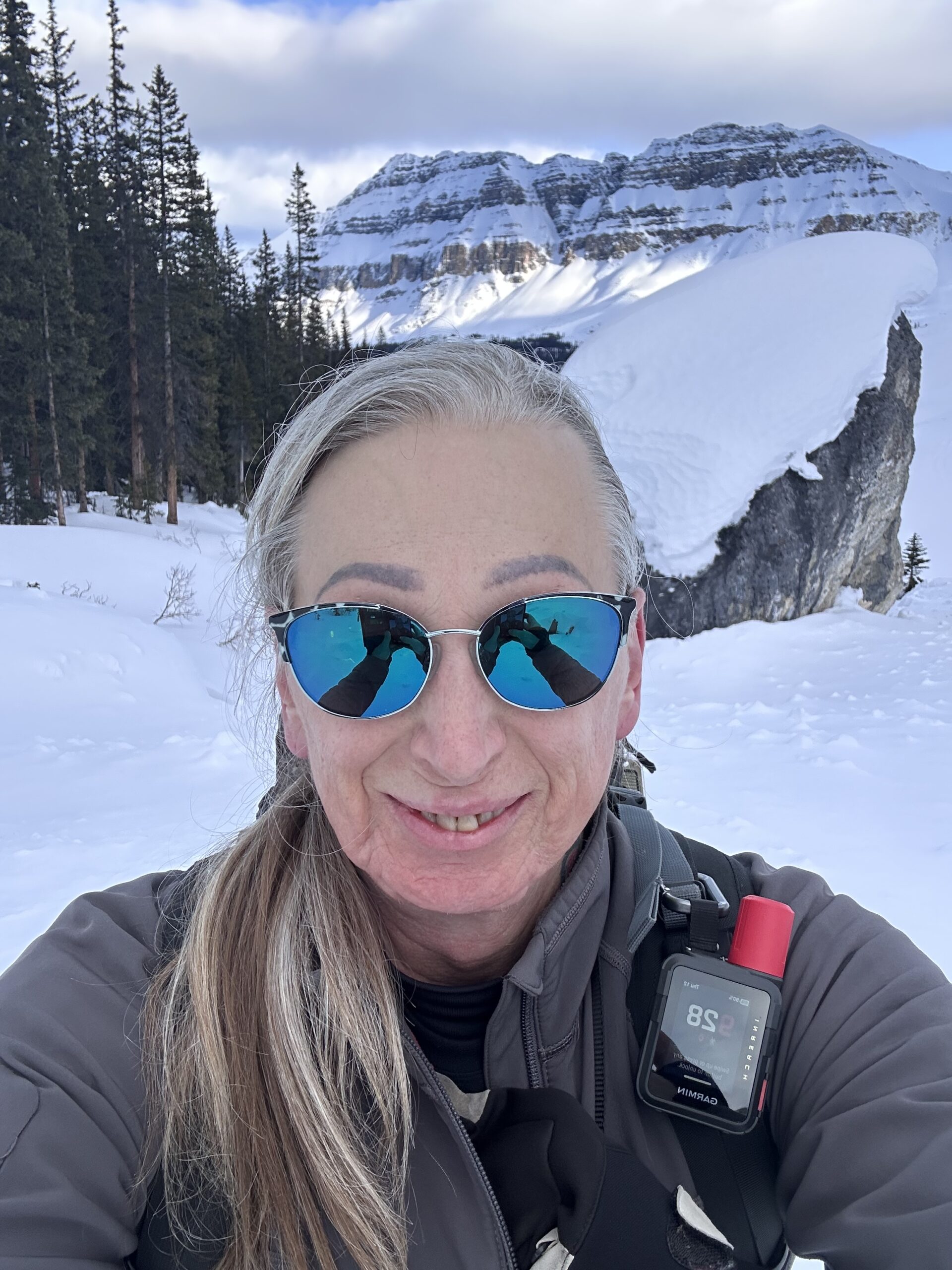
Certified private hiking guide and professional interpretive practitioner based in the Canadian Rockies. With over 25 years of four-season mountain experience, she offers thoughtfully paced hiking experiences that help active adults explore mountain landscapes with care, confidence, and understanding. Meet Niki