Bigger, Wilder, and Best Approached as a Full Mountain Day
The Icefields Parkway offers one of the most dramatic hiking corridors in the Canadian Rockies, but it does not feel like a simple extension of Banff farther north.
It feels bigger than that. Wilder. More exposed. More shaped by distance, weather, and the full sweep of the mountains around you.
For many travelers, that is exactly the draw. The Icefields Parkway carries a kind of grandeur that can be hard to find elsewhere in Banff National Park. Glaciers, broad valleys, stark rock walls, hanging basins, turquoise lakes, and long stretches of open mountain country give the corridor a scale that feels unmistakably different from Banff and Area, Lake Louise, or the Bow Valley Parkway. You are not simply heading to one scenic basin or one classic trailhead. You are entering a long mountain corridor where the drive, the weather, the terrain, and the hike all begin to shape the experience together.
That is also why I do not think of the Icefields Parkway as just another scenic add-on. It can offer some of the strongest hiking days in the Rockies, but it usually works best when approached with realistic logistics, a bit of flexibility, and a clear sense of what kind of day you actually want. The question is not only whether it is beautiful. It is whether this bigger, more exposed, more committing kind of mountain day is the right fit for your trip.
If you want help choosing specific routes, continue to Icefields Parkway Hikes. If you are still orienting within the wider park, the Banff hub page is the best place to step back.
The Landscape of the Icefields Parkway
What makes the Icefields Parkway feel so distinctive is not simply that it is beautiful. It is that the landscape arrives on a larger scale.
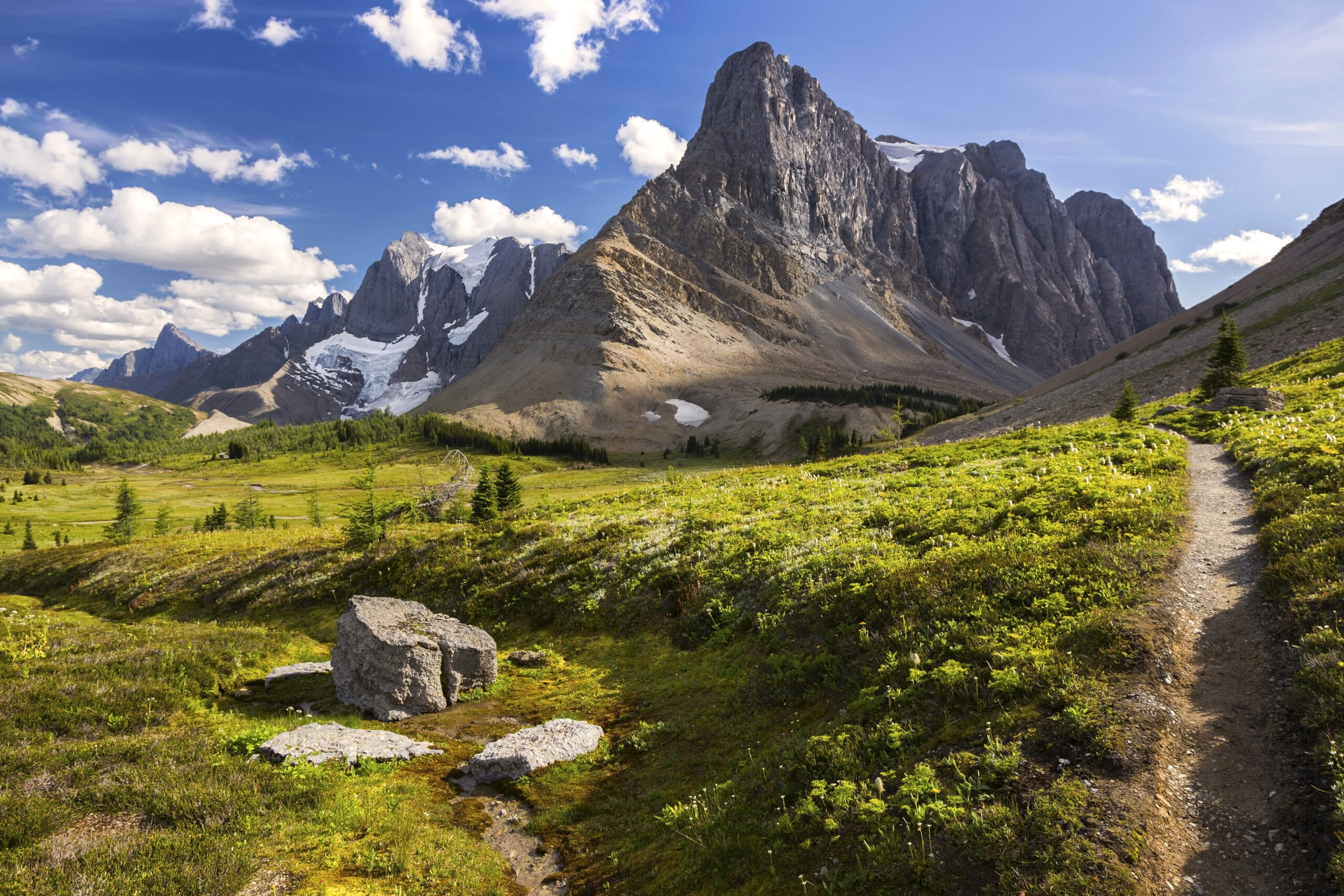
The corridor runs through an immense mountain system shaped by glaciation, deep valleys, high passes, open basins, and some of the most spatially commanding scenery in the Canadian Rockies. The mountains often feel farther apart and taller at the same time. Valleys open wide. Icefields dominate the skyline. Waterfalls fall from high walls. Even before you begin walking, the Parkway asks for a different kind of attention.
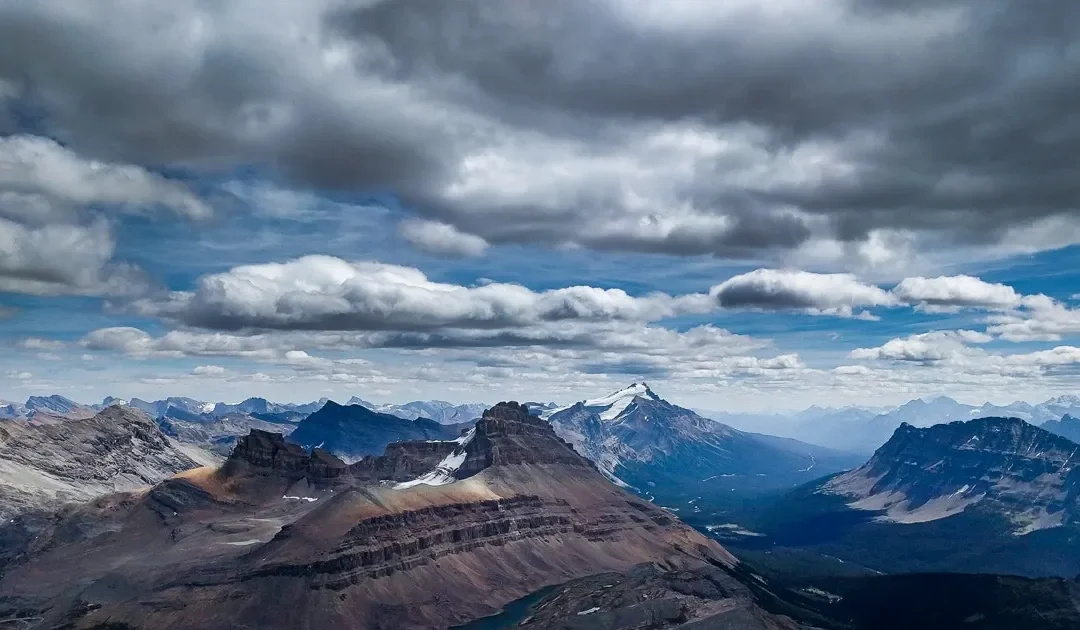
That sense of scale is one of its defining strengths. Trails here often feel less like short visits to a destination and more like ways of entering a much larger mountain world. For some guests, that is exactly what makes the corridor so memorable. The day feels less contained. The mountains are not merely scenic. They feel expansive, elemental, and fully present.
For others, that same scale can feel more stretched and more serious than expected. A Parkway day often asks for a little more steadiness, more flexibility, and more willingness to let the landscape set the tone. Relevance matters here. The experience needs to suit not just what a guest wants to see, but the kind of relationship they want with the day itself.
History and Human Context
The Icefields Parkway has long been recognized as one of the great mountain drives in North America, but hiking here is shaped by more than reputation.
This is a corridor rather than a town-centered destination. There are long distances between services. Weather can shift noticeably from one part of the road to another. Many visitors move through it with large ambitions and limited time, trying to fit as much as possible into a single day because the drive itself feels so extraordinary.
That pattern affects how I think about hiking here. The challenge on the Parkway is not only choosing a hike. It is deciding how much of the corridor to take on in a single day and whether the outing will still feel grounded once driving time, stops, energy, and mountain conditions are factored in.
For some guests, the Icefields Parkway becomes one of the defining experiences of a Rockies trip. For others, it is better approached selectively rather than as an all-in-one scenic marathon. A place this large can reward discernment. It rarely improves by being rushed.
This is also where a good interpretive day can quietly change the experience. On the Parkway, scale alone can be overwhelming. But when guests begin to understand what they are moving through, how glaciers shaped the corridor, why one valley feels different from another, why certain routes carry a particular mood, the day often becomes less like a sequence of dramatic views and more like a meaningful encounter with a mountain system.
Ecology and Wildlife
The Icefields Parkway passes through rich mountain habitat shaped by elevation, water, weather, exposure, and the broad ecological gradients of the continental Rockies.
Because the corridor spans such a large landscape, hikers move through a wide ecological range. Forest, wet meadows, glacially influenced valleys, subalpine slopes, alpine basins, and stark high-country terrain all appear along the route. Wildlife movement and habitat use remain important throughout, and conditions can vary substantially from one trailhead to the next.
For guests who enjoy interpretation, this is one of the great strengths of the Parkway. The corridor is not only visually dramatic. It is also a place where landscape processes are unusually easy to see. Water, ice, slope, vegetation, exposure, and season often present themselves in a direct, legible way.
That can deepen the day in a quiet but lasting sense. The mountains here are not just impressive. They are readable. For many guests, that makes the experience more memorable. It gives them something more than spectacle. It gives them a way of understanding the place as a living, changing mountain environment.
Geology and Landform Character
The Icefields Parkway is one of the clearest places in the Rockies to feel the shaping force of ice.
Glacial valleys, moraines, hanging drainages, polished rock, alpine basins, and broad mountain walls give the corridor its structure. The landforms often feel stripped down and legible. Even guests without a technical background can usually sense that they are moving through a landscape built on a grander scale.
That geologic clarity changes the mood of hiking here. Trails often lead into terrain that feels more open, more elemental, and more exposed than lower valley hikes elsewhere in Banff. There is a directness to the mountain form. The landscape feels less softened by forest and more defined by rock, ice, elevation, and distance.
For many hikers, this is part of what stays with them. The Parkway places you in a more immediate relationship with mountain structure itself.
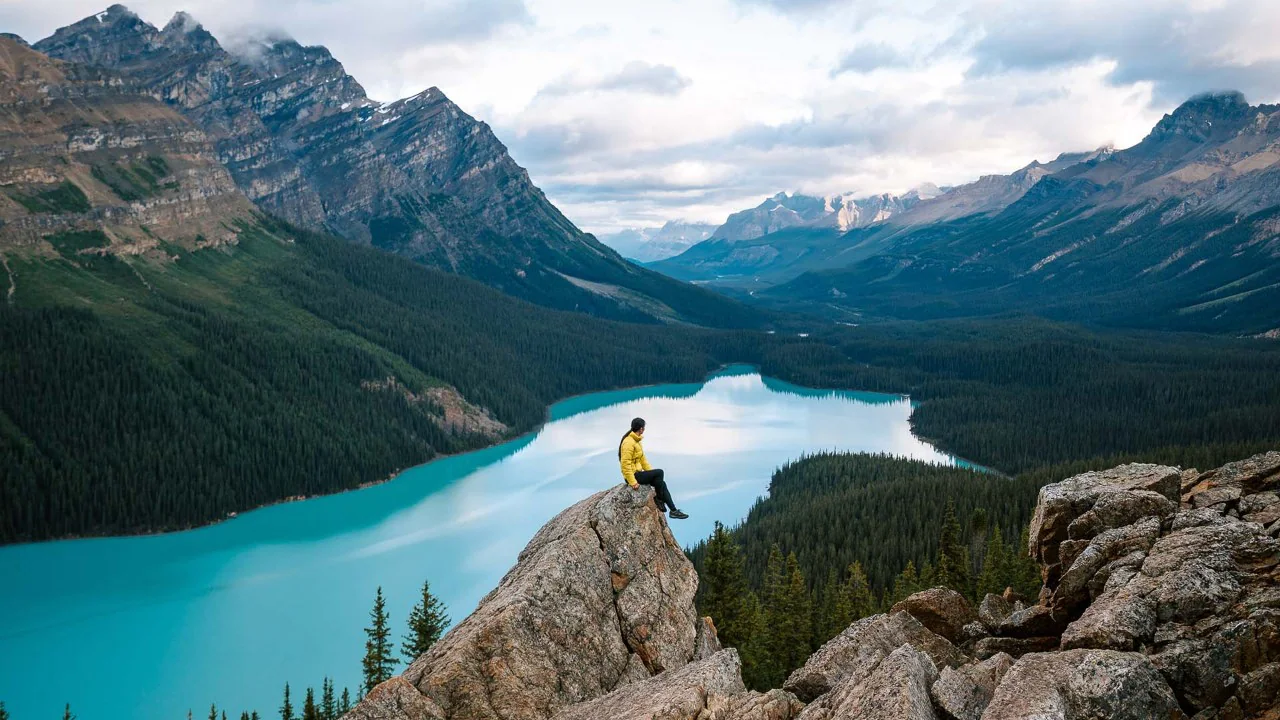
If you want a quieter way into one well-known part of this corridor, A Quiet Way to Experience Peyto Lake Without the Crowds is a useful supporting article.
What Hiking Here Feels Like
Hiking on the Icefields Parkway often feels bigger, longer, and more committing than visitors expect.
Not every route is especially difficult, but even moderate hikes can feel more serious here because of driving logistics, weather exposure, elevation, and the simple psychological effect of being in a large mountain corridor rather than near a town or resort centre. There is less illusion of casualness.
For some guests, this is exactly what makes the Parkway special. If you want a day that feels deeply mountainous, visually expansive, and unmistakably Rockies, this corridor can deliver that with exceptional force. It can feel like stepping into a grander version of the landscape many people come to Banff hoping to experience.
For others, especially those who prefer a more compact or flexible day, the Parkway is often strongest as one carefully chosen outing rather than a repeated default. It works differently from Banff and Area or the Bow Valley Parkway, where shorter driving times and more adaptable logistics can allow the day to unfold more gently.
This is one of those places where the day often improves when it is shaped thoughtfully. Not overloaded. Not treated like a checklist. Just given enough structure that the scale of the corridor enhances the experience rather than flattening it.
Seasonal Character of the Area
Season matters on the Icefields Parkway in a visible and sometimes consequential way.
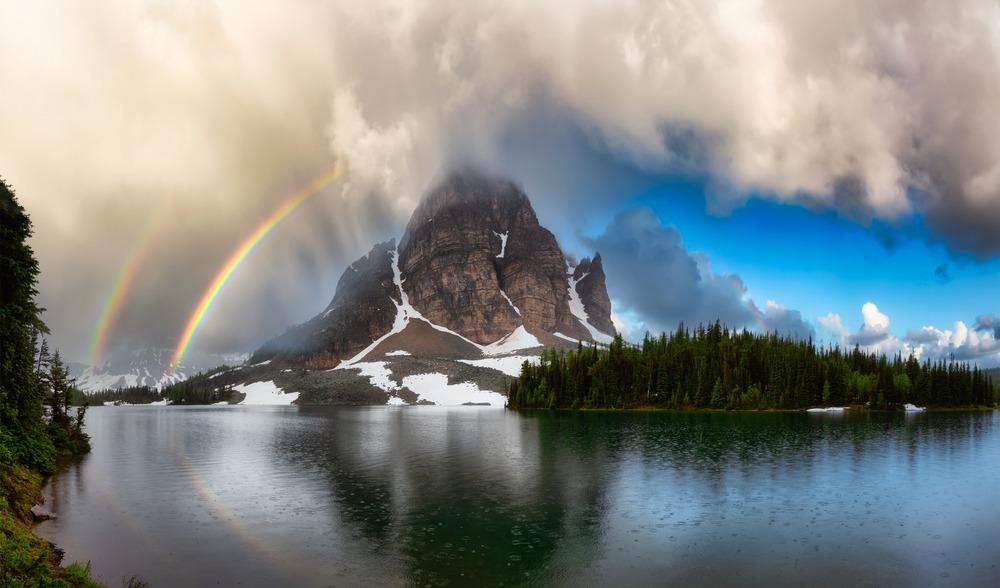
Snow can linger well into early summer on higher terrain. Storms can build quickly. Wind, cold, and exposure often remain relevant even in otherwise favorable conditions. In midsummer, access is generally strongest, but that does not mean every route is equally stable, comfortable, or suitable for the same kind of outing. In early fall, the Parkway can be exceptional, but it also begins to feel more seasonally serious again.
This is one reason I often see the Icefields Parkway as strongest when guests understand that beauty here comes with more environmental edge. It is not a place I would describe as effortless, even on a clear day.
For broader seasonal timing, When Is the Best Time to Visit Banff for Hiking? is the most useful companion read.
Why This Area Feels Different from Other Parts of Banff
Compared with Lake Louise, the Icefields Parkway feels larger in scale and less centered around a single basin or iconic lakefront. Compared with the Bow Valley Parkway, it is more remote, more exposed, and more visually overwhelming. Compared with Banff and Surroundings, it is much less flexible as a casual day and more shaped by driving logistics. Compared with Banff High Alpine, it may offer similarly alpine scenery, but through a longer corridor and with a stronger sense of geographic spread.
Compared with Kananaskis, the Icefields Parkway often feels more overtly monumental and less naturally intimate. Kananaskis can sometimes protect rhythm and spaciousness more easily. The Parkway, by contrast, tends to offer stronger spectacle, but it also asks more of planning, energy, and restraint.
That difference matters. The Icefields Parkway is not simply “the most scenic option.” It is its own kind of mountain day, and it works best when approached on those terms.
A Guide’s Perspective
As a guide, I think of the Icefields Parkway as an area where judgment shows up in the full shape of the day, not just in what happens once boots hit the trail.
The route matters, of course. But so do departure time, driving distance, stop frequency, guest energy, weather pattern, and whether the chosen hike makes the day feel deeper rather than simply longer. The Parkway can be stunning, but it is also easy to overbuild the day here if you begin treating every viewpoint and every trail as equally essential.
This is one place where private guiding can quietly make a real difference, not because the scenery needs explaining in order to be beautiful, but because a thoughtfully shaped day lets guests experience that beauty more fully. We can choose one or two strong objectives, move through them with purpose and enough ease, and let the day feel complete rather than fragmented. And when interpretation is part of the day, the corridor often becomes more than dramatic scenery. It becomes a place people actually connect with.
If you are wondering whether that kind of support would improve the experience, What a Private Guided Hiking Day in Banff Feels Like are the most relevant supporting pages.
How This Area Fits into a Rockies Trip
The Icefields Parkway usually fits best into a Rockies trip when guests want a day defined by mountain scale.
Sometimes that means a route that feels more alpine, glacial, or expansive than the Banff town area. Sometimes it means choosing one carefully considered full day rather than a casual half-day outing. And sometimes it means adding a corridor experience that complements rather than duplicates Lake Louise or Banff and Surroundings.
For some travelers, the Parkway becomes one of the defining days of the trip. For others, it is best kept as one strong outing rather than something repeated across multiple days. The key is not simply that it is beautiful. It is that it offers a distinct mood: bigger, wilder, and more exposed, with a stronger sense that the full mountain system is shaping the day.
If you want help sorting the actual routes, continue to Icefields Parkway Hikes. If you are comparing Banff with another region entirely, Banff vs Kananaskis for Hiking helps clarify those tradeoffs.
If you are considering a private guided hiking day near Banff, you can start with Private Guided Hiking in Banff to understand the broader service area, view Hikes & Pricing to compare current guided hike options, visit the Private Guided Hiking FAQ for practical questions about pace, preparation, route choice, logistics, and what to expect, or Begin a Conversation if you would like help choosing the right route for your pace, timing, access, and current conditions.
Frequently Asked Questions About the Icefields Parkway
Is the Icefields Parkway a good place to hike?
Yes, often. It suits guests who want a fuller, more exposed, and more logistically involved mountain day than many other parts of Banff.
Is it worth hiking there if I am already visiting Banff and Lake Louise?
Very often, yes. The corridor offers a distinctly different scale and mood. It can add a great deal to a Rockies trip when done thoughtfully.
Is the Icefields Parkway good for active adults over 50?
Yes, often very much so, especially when the route is matched carefully. The key is choosing a hike that fits the guest’s energy, comfort with exposure, and overall desired day length.
Is the Icefields Parkway always a summer destination?
It is most commonly hiked in summer and early fall, but even then the area retains more exposure and more seasonal seriousness than many visitors expect.
Is it better than Lake Louise?
Not better in every case. It is larger in scale, more remote in feel, and more logistically demanding. Some guests prefer that. Others prefer the more concentrated classic scenery of Lake Louise.
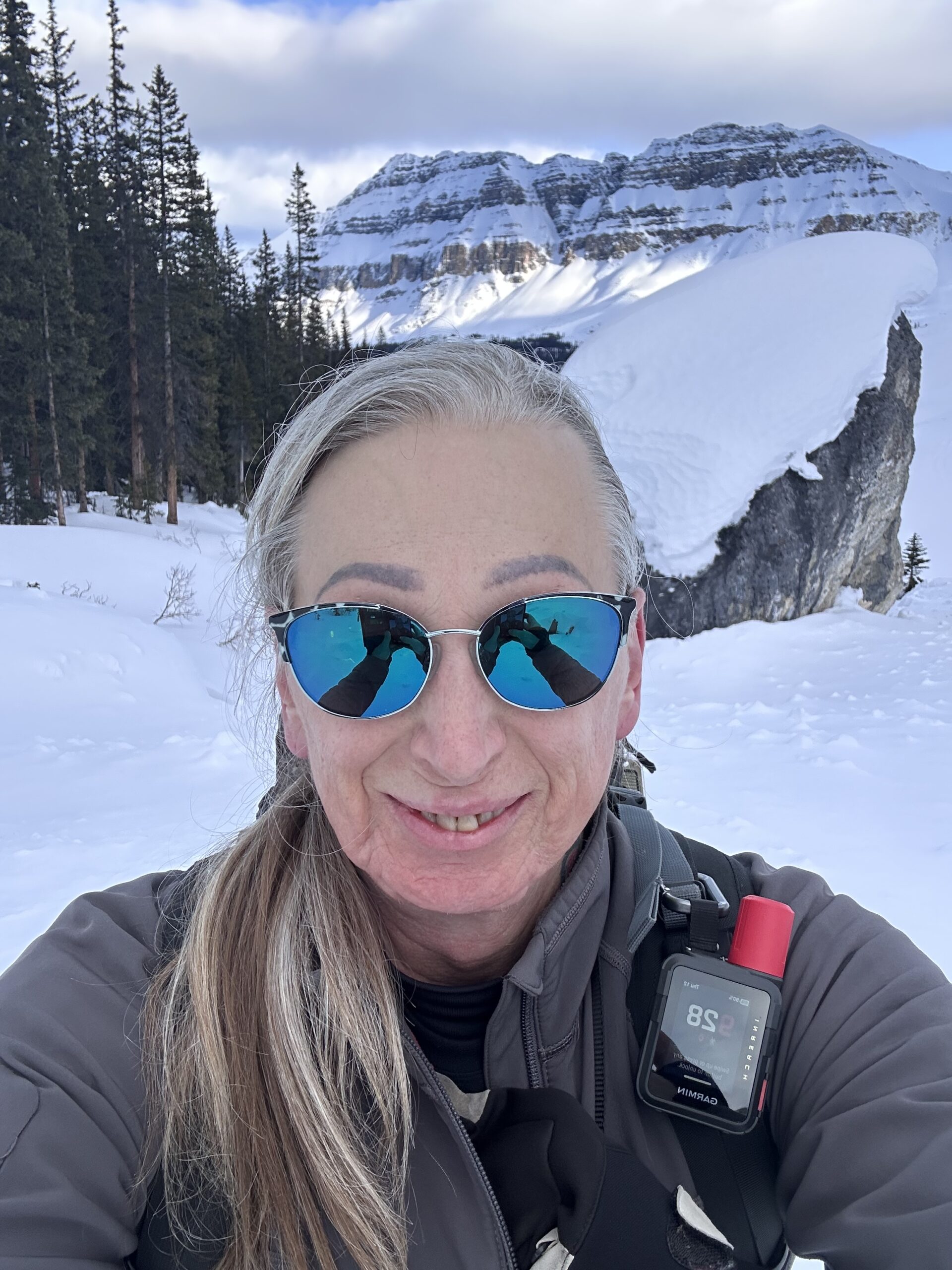
Certified private hiking guide and professional interpretive practitioner based in the Canadian Rockies. With over 25 years of four-season mountain experience, she offers thoughtfully paced hiking experiences that help active adults explore mountain landscapes with care, confidence, and understanding. Meet Niki