A More Flexible Kind of Banff Day
The Bow Valley Parkway offers a different kind of Banff hiking experience than the better-known lake basins and high-demand access points elsewhere in the park.
This is not the part of Banff people usually imagine first. It does not lean on a single iconic shoreline or one compressed destination. Instead, it offers a more distributed mountain experience shaped by forest, river, rock walls, wildlife habitat, and a corridor of trailheads stretching between Banff and Lake Louise. For many guests, that makes it one of the more usable and more satisfying parts of the park.
That does not mean it is hidden, empty, or automatically quiet. It is still Banff National Park, and visitor pressure still matters. But the Bow Valley Parkway often feels less concentrated than Lake Louise or the Moraine Lake Area, and less defined by access bottlenecks than the highest-profile destinations. For guests who want a thoughtful mountain day with strong scenery and a little more breathing room, this area can be an excellent fit.
If you are looking for route-specific recommendations, continue to Bow Valley Parkway Hikes. If you want to explore the wider Banff hiking structure, including area overviews, hike categories, and guided options, the Banff hub page is the best place to step back.
The Landscape of the Bow Valley Parkway
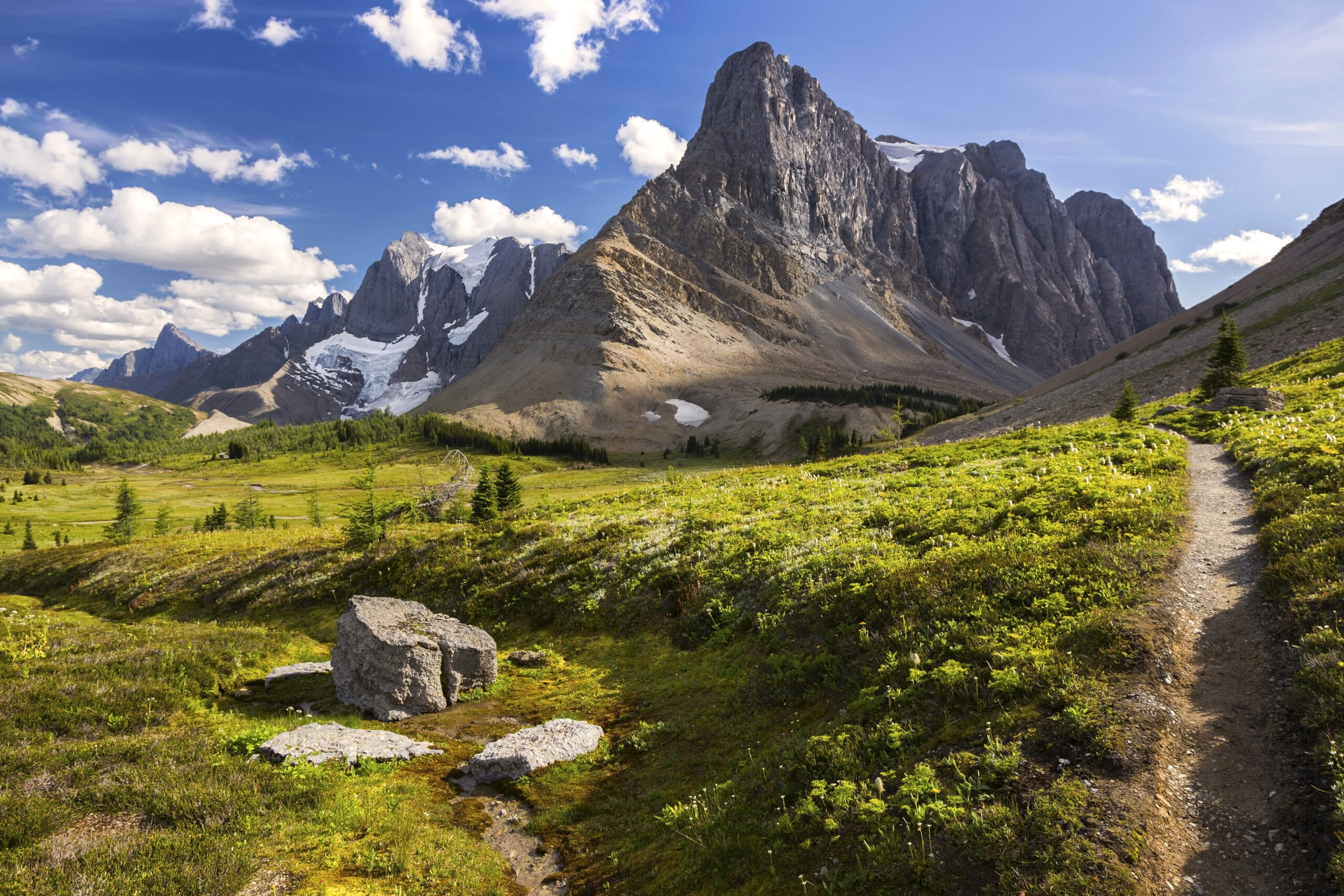
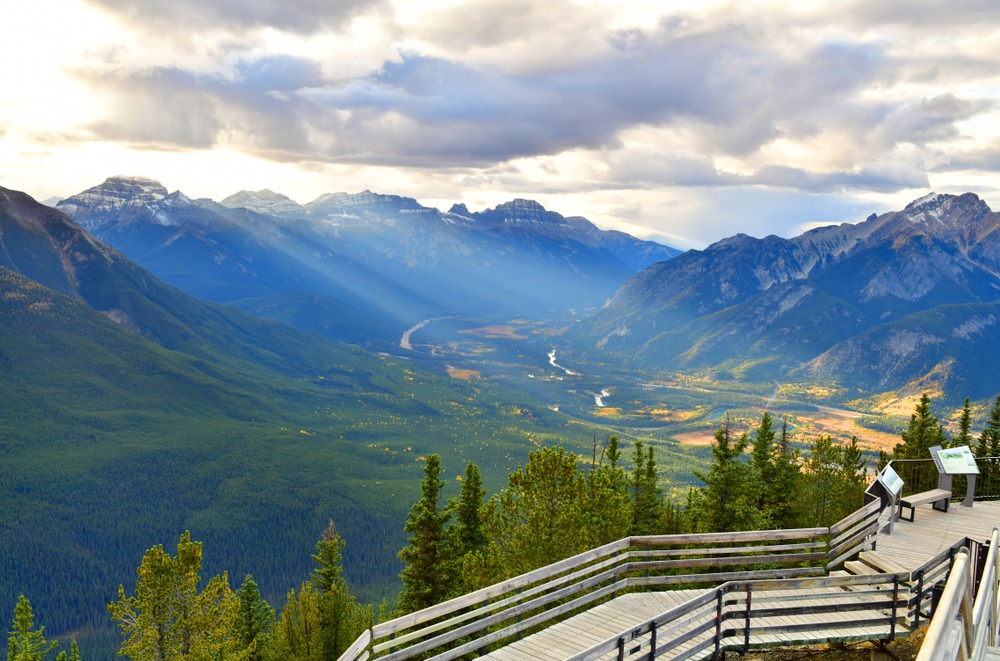
The Bow Valley Parkway follows a long corridor between Banff and Lake Louise, passing through a landscape of river flats, forest, cliffs, side valleys, creek systems, and mountain walls rising above the road in every direction.
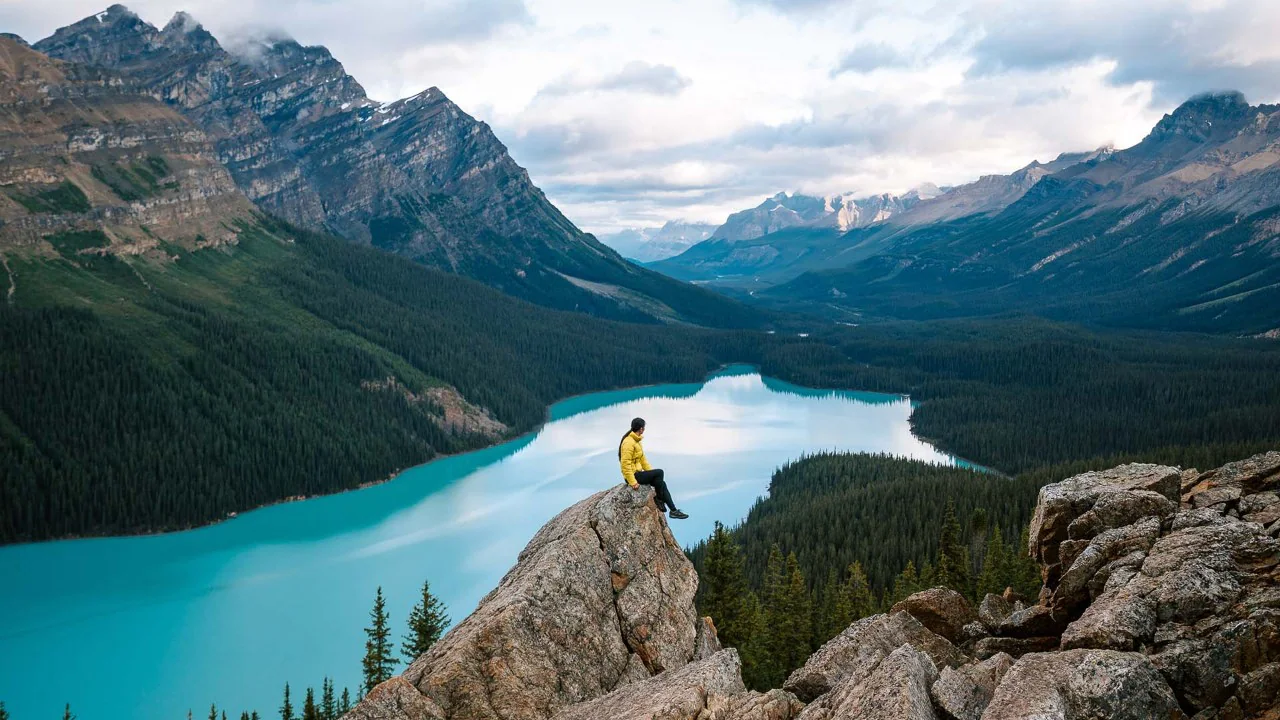
That is part of what gives the Parkway its particular character. It does not feel like one single basin or one tightly framed destination. It feels more like a sequence of landscapes. The day can shift from lower forest and river habitat to canyon terrain, open slopes, lake viewpoints, or steeper trail systems depending on where you choose to walk.
That distributed geography makes the area especially good for guests who do not need the entire day organized around one famous place. It allows for more variation in trail style, more flexibility in planning, and often a more spacious-feeling progression through the landscape.
For many people, that is the appeal. The Bow Valley Parkway can feel less like arriving at a spectacle and more like spending time in a mountain corridor that opens gradually and gives the day room to develop.
History and Human Context
The Bow Valley Parkway is one of the historic travel corridors through Banff National Park. Before modern highway infrastructure shaped movement at its current scale, routes like this carried people through the valley in a slower and more landscape-connected way.
That history still lingers in how the Parkway feels today. Compared with the Trans-Canada Highway, the Bow Valley Parkway often feels more intimate and more closely tied to the terrain around it. That makes it especially appealing for visitors who want to experience Banff as more than a sequence of parking lots and marquee viewpoints.
At the same time, this remains an actively managed park corridor with real ecological importance and real visitor use. The Parkway is not simply a scenic drive. It is also a place where trail choice, timing, wildlife awareness, and the shape of the day matter.
This is one of the reasons I often think the Bow Valley Parkway suits guests who want Banff to feel a little more inhabitable and a little less performed. It offers a strong mountain day without insisting that everything revolve around the park’s most famous names.
Ecology and Wildlife
The Bow Valley Parkway is important wildlife habitat and movement terrain. Valley-bottom ecosystems, forest cover, river systems, and side corridors all play a role in how animals move through this landscape.
That ecological reality is one of the reasons the area feels different from the more destination-driven parts of Banff. Wildlife is not just something people hope to see here. It is part of what defines the landscape itself. Seasonal restrictions, closures, or trail recommendations can matter, and guests should approach the area with the understanding that human recreation is sharing space with more than scenery.
For hikers, the Parkway also offers a good setting for noticing ecological transitions. Wet forest, montane terrain, creek environments, open viewpoints, and burned or recovering areas may all shape a single day depending on the route. For guests who enjoy interpretation, that can make the Parkway especially rewarding.
This is one of those places where the day often deepens through attention. The beauty may be quieter than Moraine Lake or Lake Louise, but the landscape often reveals itself in a way that feels more layered and more lived.
Geology and Landform Character
The Bow Valley Parkway is less about a single iconic glacial basin and more about the relationship between valley floor, side drainages, cliffs, rock faces, and the broader mountain corridor.
That gives the landform experience here a more horizontal and layered quality. Instead of arriving at one famous visual objective, you are often moving through a landscape that reveals itself in stages. A trail may begin in forest, follow a creek or canyon, and then open toward wider mountain views. That gradual unfolding is one of the things that gives this area its quieter appeal.
Compared with Lake Louise, the Parkway often feels less theatrically concentrated. Compared with Banff and Area, it can feel slightly more removed from town pressure and more connected to a larger valley corridor.
For many guests, that difference matters. Some people are drawn to places that impress immediately. Others are drawn to places that become richer the longer you are in them. The Bow Valley Parkway often belongs to the second category.
What Hiking Here Feels Like
Hiking along the Bow Valley Parkway often feels more varied, more distributed, and a little less compressed than hiking in Banff’s highest-profile zones.
This is a good area for guests who like the idea of Banff but do not necessarily want the day to revolve around the most photographed destination in the park. It can work well for moderate hikers, active adults who want a steady but not frantic day, guests who appreciate a mix of forest and mountain views, and travelers who value a calmer rhythm over a pure bucket-list narrative.
That does not mean every hike here is easy or every day is quiet. Some trails are well known. Some parts of the corridor are busier than others. Some routes are stronger in certain seasons than others. But the Bow Valley Parkway often gives me more room to shape a day thoughtfully than Lake Louise does, especially when the goal is a balanced, experience-rich outing rather than a high-pressure destination hit.
That flexibility is one of the area’s real strengths. It allows the day to be built around quality rather than urgency.
Seasonal Character of the Area
The Bow Valley Parkway can be useful across a broad hiking season, especially because it includes a range of lower and mid-elevation terrain.
In spring and early summer, some trails here can come into shape before higher alpine objectives elsewhere in the park. In midsummer, the area often remains more manageable than the most compressed Banff destinations, though still not without crowding or timing considerations. In fall, it can be especially rewarding for guests who enjoy cooler air, changing light, and a slightly calmer tone to the day.
This is one of the reasons I often see the Parkway as a strong counterbalance within a Banff trip. If Lake Louise is about concentrated iconic scenery and access sensitivity, the Bow Valley Parkway is often about usable variety and a more naturally paced day.
If timing is part of your planning, When Is the Best Time to Visit The Canadian Rockies? is the most useful companion piece.
Why This Area Feels Different from Other Parts of Banff
Compared with Banff and Surroundings, the Bow Valley Parkway feels less town-adjacent and more corridor-based. Compared with Lake Louise, it is often less compressed and less dominated by one destination. Compared with the Icefields Parkway, it is less remote and less big-scale in mood. Compared with Banff High Alpine, it is usually less defined by exposure and elevation. Compared with Kananaskis, it still feels more visited and more structured, but it can offer a somewhat calmer rhythm than Banff’s busiest headline areas.
That distinction matters. The Bow Valley Parkway is not Banff’s version of Kananaskis, and it should not be sold that way. It is still Banff. But it often gives guests a little more room to breathe.
And for some travelers, that is exactly what makes it such a strong fit.
A Guide’s Perspective
As a guide, I often think of the Bow Valley Parkway as one of the more useful parts of Banff because it gives me options.
It is an area where trail choice can be adjusted thoughtfully based on season, guest energy, wildlife considerations, weather, and the kind of day we are trying to create. That flexibility matters. It means the day does not have to be forced into a prepackaged formula.
For some guests, the Parkway is a welcome alternative to the more access-sensitive parts of Banff. For others, it is a complement to them. A trip might include one classic lake day and one Parkway day, giving the overall experience more range and a better balance between iconography and actual hiking rhythm.
That is one of the quieter advantages of this area. It often allows the experience to feel more coherent and more personal. Instead of reacting to the pressure of a single famous place, guests can settle more fully into the day and let the landscape build around them.
If you are considering whether a private guided approach would help shape that kind of outing, Do You Need a Hiking Guide in Banff is the best place to start.
How This Area Fits Into a Rockies Trip
The Bow Valley Parkway often fits well into a Rockies trip when guests want a Banff hiking day that feels less compressed than Lake Louise and more flexible than the park’s highest-pressure areas.
Sometimes that means a moderate mountain day with route choice and breathing room. Sometimes it means strong scenery without making the entire day revolve around one headline destination. And sometimes it simply means pairing a more iconic or more logistically demanding day elsewhere with something that feels steadier and easier to shape well.
This area is often especially valuable for guests staying in Banff who want to explore beyond the townsite without immediately stepping into the park’s most compressed access zones. It can create a day that feels full, varied, and genuinely satisfying without needing to push too hard on any one element.
If you are considering a private guided hiking day near Banff, you can start with Private Guided Hiking in Banff to understand the broader service area, view Hikes & Pricing to compare current guided hike options, visit the Private Guided Hiking FAQ for practical questions about pace, preparation, route choice, logistics, and what to expect, or Begin a Conversation if you would like help choosing the right route for your pace, timing, access, and current conditions.
Frequently Asked Questions About the Bow Valley Parkway
Is the Bow Valley Parkway a good place to hike?
Yes, often. It offers a range of hikes with a more distributed and often less compressed feel than some of Banff’s most famous destinations.
Is it quieter than Lake Louise?
Often, yes, though not always. The main difference is that the experience is usually less concentrated around one heavily pressured access point.
Is the Bow Valley Parkway good for active adults over 50?
Very often, yes. The area includes shorter scenic options, moderate hikes, and fuller days, which makes it well suited to careful matching based on pace and energy.
Is this area better than Banff town-area hiking?
Not better in every case, but different. It often feels more corridor-based, more varied, and slightly more removed from the Banff townsite itself.
Is the Bow Valley Parkway similar to Kananaskis?
Not exactly. It can sometimes feel calmer than Banff’s busiest destinations, but it is still part of Banff National Park and carries different visitor dynamics than Kananaskis.
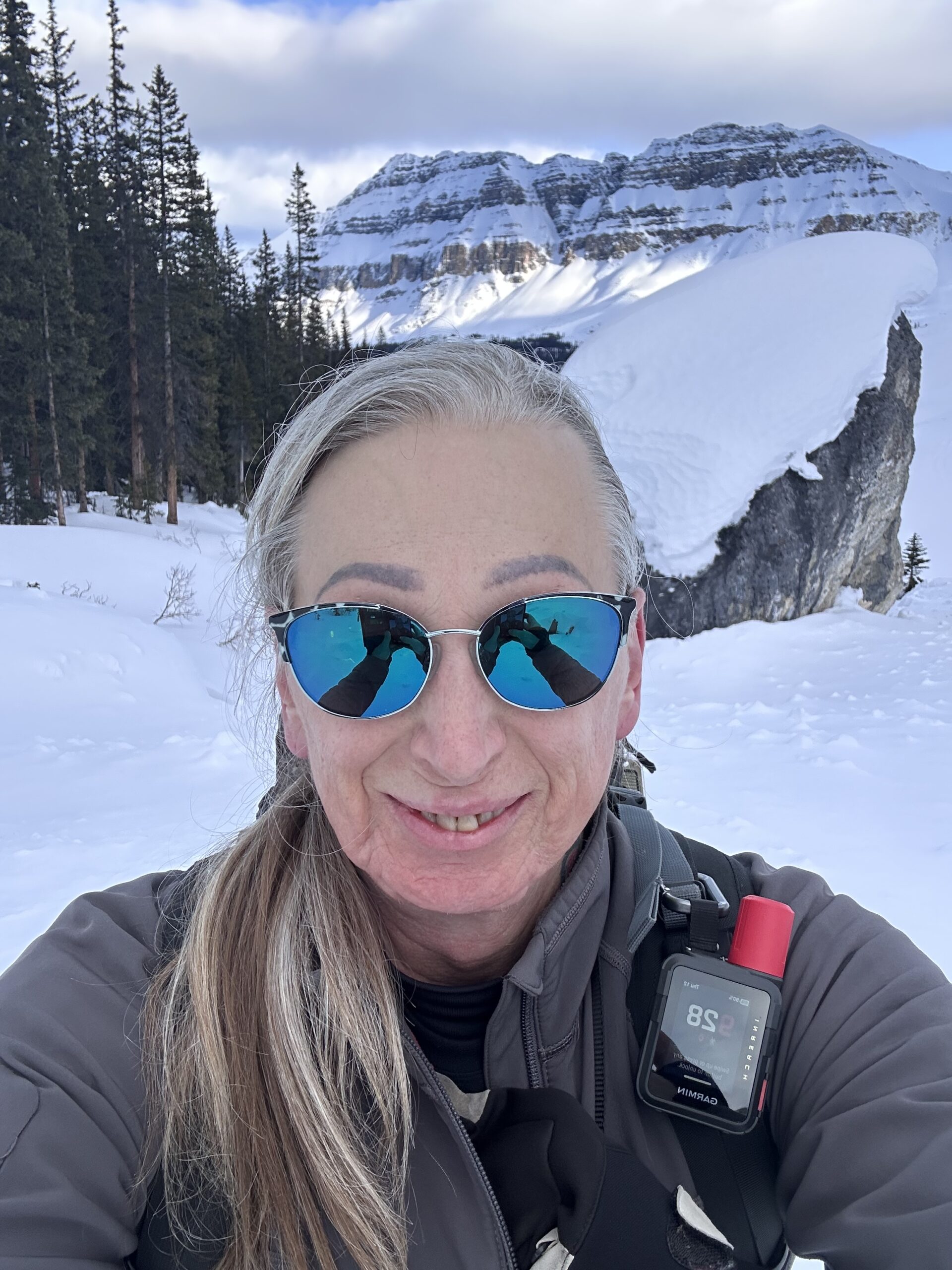
Certified private hiking guide and professional interpretive practitioner based in the Canadian Rockies. With over 25 years of four-season mountain experience, she offers thoughtfully paced hiking experiences that help active adults explore mountain landscapes with care, confidence, and understanding. Meet Niki