Choosing Routes That Suit Open Mountain Terrain
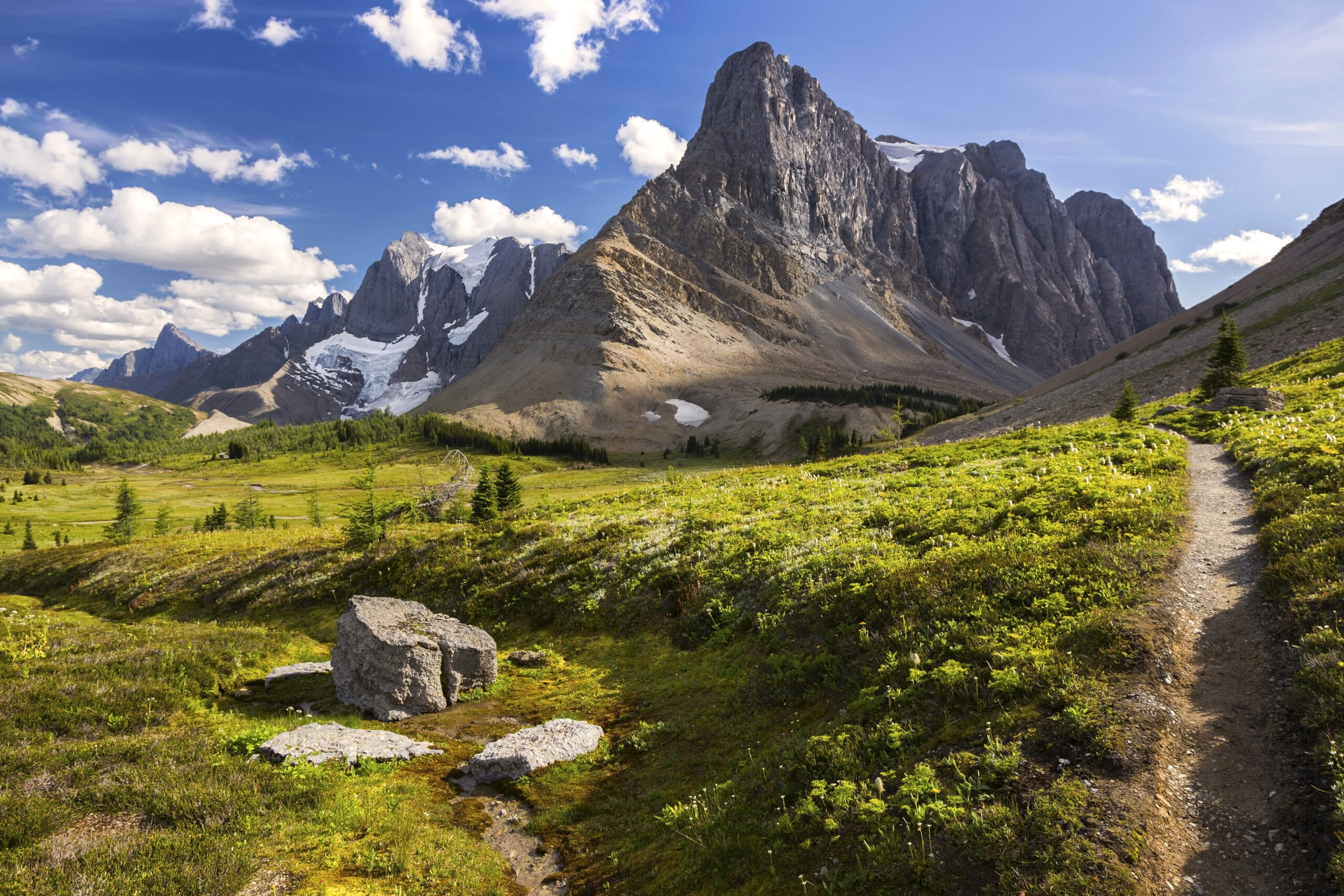
Banff High Alpine hikes are the routes that most clearly bring hikers into open mountain terrain.
These are the days when tree cover begins to fall away, views expand, and the hike becomes more directly shaped by elevation, weather, and exposure. Some of these routes are moderate and approachable for strong recreational hikers. Others are fuller mountain days that require more effort and better seasonal timing. What matters most is not simply whether a trail is scenic, but whether it suits your comfort with alpine terrain and the kind of day you actually want.
That is what makes route choice here different from choosing a lower valley hike. Two trails may look similar in distance, but if one spends more time in open country, on wind-exposed slopes, or above treeline, the day may feel very different once you are in it.
If you want the broader context for this part of the park, start with Banff High Alpine. This page focuses on the hikes themselves and how to choose among them well.
Healy Pass
Distance: 18 to 20 km return, depending on turnaround point
Elevation gain: about 650 m
Time: 6 to 8 hours
Difficulty: Moderate to challenging
Healy Pass is one of the clearest examples of a Banff high alpine hike that can feel substantial without needing to become extreme.
The trail begins in forest and climbs steadily before opening into alpine meadows and pass terrain with broad views and a distinctly elevated mountain feel. That progression is part of what makes the hike so satisfying. The alpine reward feels earned, and the day builds into its scenery rather than offering everything at once.
For strong recreational hikers and active adults who want a real alpine day with good structure and strong payoff, Healy Pass is often one of the best choices in this category. It offers a genuine sense of moving into open mountain country without depending on a dramatic summit or a punishing objective to make its impression.
This is the kind of route that often resonates because it allows guests to feel the shift into alpine terrain clearly. The day changes as the forest thins, the views open, and the character of the mountain becomes more visible.
Helen Lake and Upper Extensions
Distance: about 12 km return, longer if extended
Elevation gain: about 455 m, more with extension
Time: 4 to 6 hours, depending on objective
Difficulty: Moderate
Helen Lake sits near the boundary between what could be grouped as Bow Valley Parkway Hikes, Icefields Parkway Hikes, or Banff High Alpine depending on how strictly the cluster is divided. I would include it here when the goal is to show an accessible entry into alpine terrain.
The route climbs into increasingly open country and reaches an alpine lake beneath broad slopes. For some guests, the lake itself is the right destination. For others, a carefully chosen extension creates a fuller alpine-feeling day. That flexibility is one of the route’s strengths.
For hikers who want a moderate alpine outing without the more committed feel of a major pass, Helen Lake can be a very strong fit. It offers openness and mountain atmosphere without pushing quite as hard on exposure or scale.
This is also one of those hikes where the right stopping point matters. A day does not need to be taken to its furthest possible extent to feel complete.
Learn More About The Full Day Helen Lake Hike in Banff
Mount Bourgeau
Distance: about 15.5 km to Harvey Pass, farther if continuing higher
Elevation gain: substantial
Time: 6 to 8 hours or more, depending on objective
Difficulty: Challenging
Mount Bourgeau is one of the stronger Banff high alpine objectives for hikers wanting a fuller mountain day.
What makes this route especially useful in this page is that it can be scaled. Some guests may be best matched to a lower or mid-route alpine objective. Stronger hikers may want the fuller Harvey Pass or higher Bourgeau experience. That flexibility allows the day to be shaped more intelligently than a simple summit-or-nothing framing.
This is a route where good judgment matters. The right stopping point can create an excellent day. Pushing farther simply because more terrain exists is not always the better choice.
For the right guest, Mount Bourgeau can offer exactly the kind of longer alpine outing they are hoping for: more time in open terrain, more mountain structure, more sense of distance and height. But it needs to be chosen because that is truly the day they want, not because bigger automatically sounds better.
Learn More About The Full Day Mount Bourgeau Hike in Banff
Sunshine Meadows Area Routes
Distance: Varies
Elevation gain: Varies, depending on access and route design
Time: Half day to fuller day
Difficulty: Easy to moderate, depending on route
The Sunshine Meadows area offers one of the more accessible ways into Banff’s alpine landscape, especially for guests who want open scenery without always needing a long, strenuous climb.
Depending on the route and access method, hikes here can provide meadows, lakes, broad views, and a distinctly alpine feeling in a more approachable format than some stronger pass or ridge routes. That can make this area especially attractive for active adults who want alpine scenery but still want the day to feel well matched.
Because route design matters so much here, I would treat Sunshine less as one single hike and more as a family of alpine day options. The experience can be shaped in ways that make it more relaxed, more moderate, or more substantial depending on the guest, the conditions, and the broader trip.
This area often works well for people who want to feel the spaciousness and openness of alpine terrain without building the day around a harder edge.
Sentinel-Style Pass Comparisons and Why Fit Matters
Although Sentinel Pass is more properly tied to the Moraine Lake Area, it is worth referencing here conceptually because many hikers assume that “high alpine” always means choosing the most dramatic pass they can find.
In practice, that is not always the best match. A route like Healy Pass or a well-chosen Sunshine Meadows outing may create a much stronger day for many guests than a more famous pass chosen mainly for reputation. That is one of the key ideas behind this page.
High alpine value is not only about drama. It is about fit.
The best alpine day is not always the one that looks most impressive on paper. It is the one that lets the guest feel engaged, steady, and genuinely present in the terrain they came to experience.
Choosing the Right Kind of Alpine Hike
Not every Banff High Alpine hike suits the same kind of day.
Some guests want a fuller alpine immersion with enough distance and elevation to feel they have gone properly into the mountains. Others want a moderate route that opens beautifully without becoming overly exposed or demanding. Others still want the alpine feeling itself, but in a format that remains more approachable and flexible.
That is why I find it helpful to think less in terms of the “best” alpine hike and more in terms of what kind of openness, effort, and exposure a guest actually wants. Healy Pass is often the strongest all-around choice for guests wanting a substantial and memorable alpine day. Helen Lake works well for hikers wanting a moderate route that opens beautifully without feeling too committed. Sunshine Meadows can be excellent for guests who want alpine scenery in a more approachable format. Mount Bourgeau is better for stronger hikers who genuinely want a fuller day and are comfortable with more effort and a longer time on trail.
For active adults over 50, the strongest fit is often a route like Healy Pass, Helen Lake, or a well-chosen Sunshine Meadows outing, depending on whether the goal is a full alpine day, a moderate open-country hike, or a more accessible scenic option.
If you want more route thinking from that perspective, Best Hikes in Banff for Active Adults is the most relevant companion article.
Seasonal Notes and Access Realities
Banff High Alpine hikes are among the most season-sensitive routes in the cluster.
Snow lingers longer. Wet ground and unstable early-season conditions can affect comfort and safety. Afternoon storms matter more because so much of the day may be above treeline or in open country. In fall, the same openness that makes these routes beautiful can make them feel colder, windier, and more exposed.
This is why alpine route selection needs to stay flexible. A trail may be technically accessible and still not be the best choice for a calm, well-shaped day in the mountains.
For broader timing support, When Is the Best Time to Visit Banff for Hiking? is the best internal link to pair with this page.
Planning a Hiking Day in Banff High Alpine
Planning a Banff High Alpine day begins with a different kind of question than planning a valley hike.
The first question is not simply how far you want to walk. It is whether you genuinely want the feel of alpine exposure. Some guests do. They want the openness, the wind, the wide views, and the directness of being above treeline. Others want strong scenery, but are happier when the day includes more shelter, more softness, or more flexibility.
That distinction matters because alpine routes amplify certain parts of the mountain experience. Weather matters more. Reduced shelter matters more. The season matters more. And once you are in open country, the emotional feel of the day can shift quickly depending on conditions and comfort.
So good planning here is really about honesty. Do you want a moderate alpine experience or a fuller mountain objective? Is the season truly right for the route you are considering? And will the day still feel good once openness, exposure, and the actual weather are part of the picture?
When those questions are answered well, alpine hiking can be one of the most rewarding parts of a Rockies trip. It feels less like visiting scenery and more like entering the mountain on its own terms.
What to Know Before Setting Out
Banff High Alpine hikes are still non-technical day hikes in many cases, but they are not casual mountain walks.
Weather matters more. Sun and wind exposure matter more. Footing can be rougher. Snow can linger. Turnaround judgment matters. A moderate alpine hike can feel far more serious than a similar distance in the valley.
Carrying proper essentials, checking conditions carefully, and choosing a route that suits the actual day rather than the idealized one makes an enormous difference. If you are considering guided support for that reason, Do You Need a Hiking Guide in Banff is the best place to begin.
If you are considering a private guided hiking day near Banff, you can start with Private Guided Hiking in Banff to understand the broader service area, view Hikes & Pricing to compare current guided hike options, visit the Private Guided Hiking FAQ for practical questions about pace, preparation, route choice, logistics, and what to expect, or Begin a Conversation if you would like help choosing the right route for your pace, timing, access, and current conditions.
A Guide’s Perspective
Banff High Alpine is one of the areas where I am most careful not to confuse visual appeal with actual suitability.
These hikes can be extraordinary, but they work best when chosen with restraint. The strongest alpine day is not necessarily the biggest pass, the longest distance, or the route with the most dramatic name. It is the one that lets the guest feel engaged, steady, and genuinely present in the terrain.
That is the standard I use here. Not maximum output, but the best mountain day.
And when interpretation is part of that day, the alpine can become especially meaningful. The openness reveals structure. The terrain becomes easier to read. Guests often begin to understand not just that they are high in the mountains, but how the mountain is holding the day together. That can change what stays with them afterward.
If you want the broader area framing behind these routes, return to Banff High Alpine. If you want to compare this page with the wider Banff structure, continue to the Banff hub page.
Frequently Asked Questions About Banff High Alpine Hikes
What are the best Banff High Alpine hikes?
That depends on the kind of day you want. Healy Pass, Helen Lake, Sunshine Meadows routes, and Mount Bourgeauall serve different alpine hiking goals.
What is the best moderate Banff High Alpine hike?
For many guests, Healy Pass is one of the strongest moderate-to-substantial alpine hikes because it offers a real sense of alpine terrain without needing to become extreme.
Are Banff High Alpine hikes good for active adults over 50?
Yes, often very much so, when the route is matched carefully. Many active adults thrive on alpine hikes that provide openness and scenery without pushing beyond their preferred pace.
Are these hikes suitable in early summer?
Sometimes, but not automatically. High alpine terrain is more season-sensitive, and snow or wet conditions can linger longer than visitors expect.
Is Banff High Alpine better than the Icefields Parkway?
Not better in every case. Icefields Parkway days are often larger in corridor scale and more logistically stretched, while Banff High Alpine days are more directly about terrain feel, exposure, and elevation.
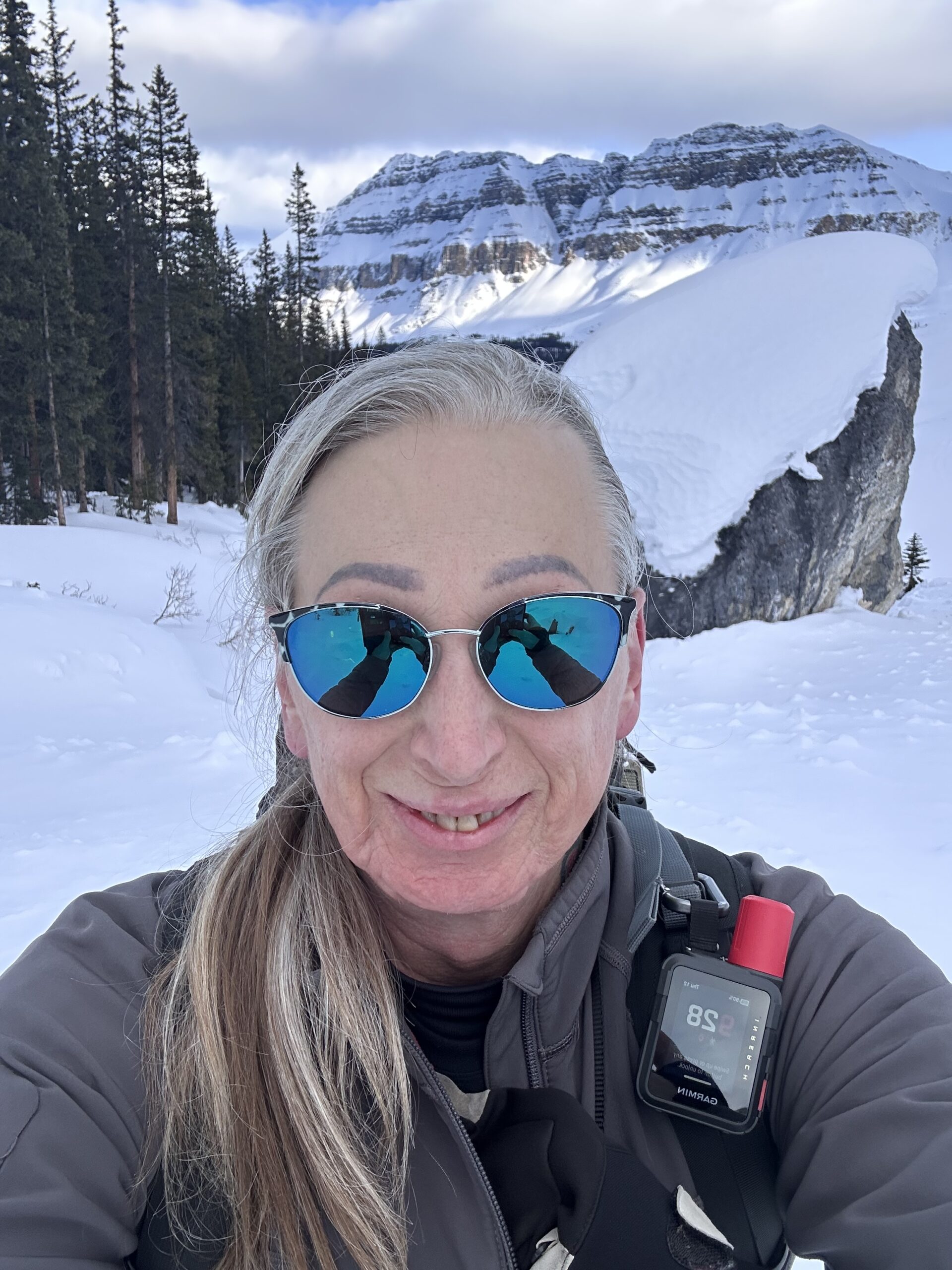
Certified private hiking guide and professional interpretive practitioner based in the Canadian Rockies. With over 25 years of four-season mountain experience, she offers thoughtfully paced hiking experiences that help active adults explore mountain landscapes with care, confidence, and understanding. Meet Niki