Choosing the Right Trail for the Day You Actually Want
Lake Louise has some of the best-known hikes in the Canadian Rockies, but they do not all offer the same kind of day.
That matters more here than many visitors first realize.
Some hikes give quick visual reward and a classic Lake Louise feeling without demanding too much time or elevation. Others offer a fuller mountain day, with a stronger sense of progression and more time spent moving into the landscape. Then there are the more committed alpine outings, the trails that suit stronger hikers who want more climb, more distance, and a more defined sense of being high in the mountains.
As a guide, I do not think the main challenge at Lake Louise is finding a hike. The challenge is choosing the one that actually fits the day you want to have.
That means thinking beyond the most famous name. It means paying attention to season, trail conditions, access realities, energy, pacing, and the difference between what looks iconic on paper and what will genuinely feel good while you are living it. Lake Louise is beautiful enough that many people assume any trail here will deliver the day they imagined. Sometimes it does. Sometimes the better experience comes from a quieter choice, a more moderate route, or a more honest match between person and place.
If you want the broader context for the area itself, begin with Lake Louise. This page is about the hikes, the differences between them, and how to choose well.
Lake Agnes Trail
Distance: 7.4 km return
Elevation gain: 385 m
Time: 2.5 to 3.5 hours
Difficulty: Moderate
Lake Agnes is one of the classic Lake Louise hikes and, for many visitors, one of the most approachable ways to move beyond the lakeshore into a more satisfying mountain experience.
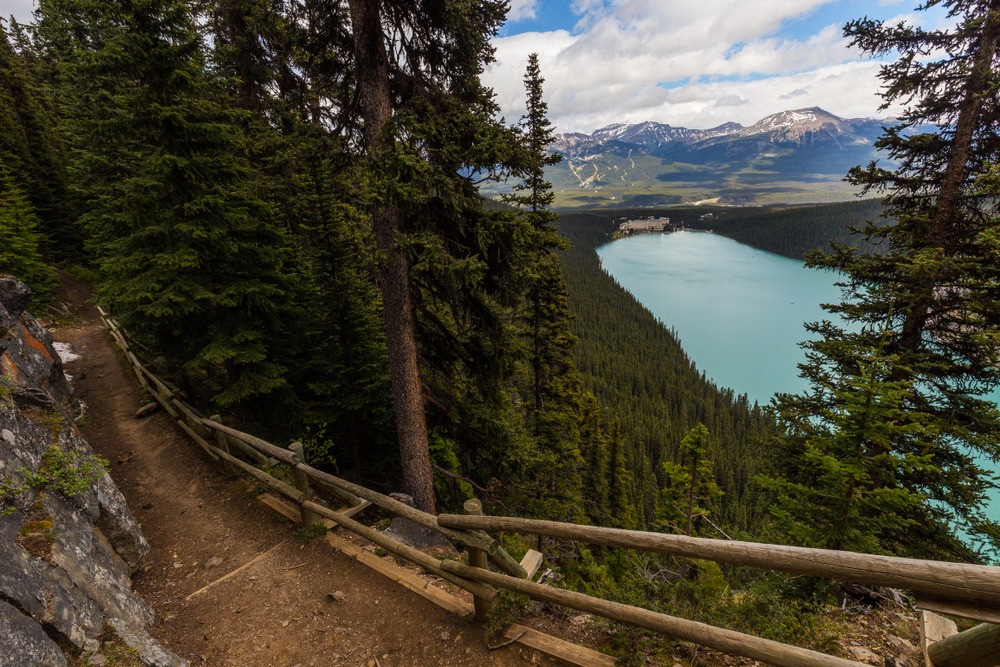
The trail climbs steadily through forest above Lake Louise and reaches a small alpine lake tucked beneath steep rock walls. It is a popular route and rarely a quiet one in summer, but it remains enduring for good reason. It gives hikers a stronger sense of elevation, destination, and mountain atmosphere than simply staying near the shoreline.
For guests who want a moderate outing with a distinctly classic Lake Louise feel, this can be an excellent choice. It works especially well with an early start and realistic expectations about company on the trail. You come here less for solitude than for the pleasure of climbing into a familiar and beautiful Rockies setting.
For many travelers, this hike is relevant because it offers that satisfying moment when a famous place begins to feel personal. You are no longer just looking at Lake Louise. You are moving above it, into it, and beginning to experience the basin with a little more depth.
Explore Our Lake Agnes Half-Day Guided Hike in Banff
Plain of Six Glaciers
Distance: 13.8 km return
Elevation gain: 365 m
Time: 4 to 5 hours
Difficulty: Moderate
Plain of Six Glaciers is one of the strongest moderate hiking days in the Lake Louise area, and very often one of the best overall choices for private guests.
The route begins along the lake, but before long it draws you deeper into the valley toward a teahouse and a broad mountain setting shaped by cliffs, glaciers, and open terrain. Compared with some of the shorter classics, this hike gives the day more movement and more story. It feels less like a quick objective and more like a real journey into the landscape.
That difference matters.
For active adults who want something substantial but not punishing, Plain of Six Glaciers is often the sweet spot. It offers strong scenery, satisfying distance, and a rhythm that many hikers find more enjoyable than steeper or more obviously dramatic routes. It feels classic without feeling performative.
It is also one of those hikes where interpretation can deepen the experience in a quiet but lasting way. When the valley begins to make sense as a shaped mountain system rather than simply a backdrop, guests often come away feeling they did not just complete a hike. They actually met the place.
Lake Agnes and Plain of Six Glaciers Combination
Distance: 14.6 km return
Elevation gain: 550 m
Time: 5 to 6.5 hours
Difficulty: Moderate to challenging
For stronger hikers, combining Lake Agnes and Plain of Six Glaciers creates one of the most complete classic hiking days at Lake Louise.
This is the kind of route that gives a guest the feeling of having truly spent the day in the mountains rather than simply visited one well-known trail. It links two signature experiences into one fuller outing, offering more variety, stronger scenic layering, and more time in the landscape.
For fit, steady hikers who are comfortable with a longer day, the combination can make excellent sense. Rather than splitting Lake Louise into separate smaller outings, it creates one substantial day that feels rich and memorable.
The key is pacing. This route works best when approached with patience and margin, not as something to hurry through. Done well, it becomes a day with room for scenery, conversation, rest, interpretation, and those quieter moments when guests begin to feel more deeply connected to where they are.
Fairview Lookout
Distance: 2 km return
Elevation gain: 100 m
Time: 45 minutes to 1 hour
Difficulty: Easy
Fairview Lookout is a short uphill walk for visitors who want a broader view over Lake Louise without committing to a longer hiking day.
It is best thought of as a brief scenic effort rather than a fully immersive mountain outing. I would not usually build an entire private day around it, but that does not mean it lacks value. In the right context, it can work well for guests wanting a lighter first-day outing, a short scenic walk, or an easy addition to a broader sightseeing day.
Its value is efficiency, not depth.
That distinction matters. Fairview Lookout can offer a quick sense of elevation and perspective, but if what someone wants is the feeling of moving properly into mountain terrain and having a more meaningful experience on foot, other trails in the area usually offer more.
Big Beehive
Distance: about 10 km return, depending on route
Elevation gain: about 540 m
Time: 4 to 5 hours
Difficulty: Moderate
Big Beehive is a natural step up from the Lake Agnes area and a strong choice for hikers who want more elevation and a more defined viewpoint objective.
This route tends to suit people who enjoy climbing toward something clear and visual. The reward is a more elevated perspective over the Lake Louise basin and a stronger sense of rising above the main visitor zone rather than simply moving beside it. It offers a more assertive mountain feel than Lake Agnes alone, while still remaining achievable for many hikers who walk regularly and are comfortable with steady uphill effort.
This is one of those hikes where honest matching matters. For some guests, it is exactly the right next step. For others, Plain of Six Glaciers creates a more enjoyable day overall, with a better rhythm and less emphasis on climbing toward a single viewpoint. The strongest choice depends less on what sounds impressive and more on what kind of day will actually feel rewarding from beginning to end.
Sentinel Pass
Distance: about 11.6 km return from Moraine Lake
Elevation gain: about 725 m
Time: 4.5 to 6 hours
Difficulty: Challenging
Sentinel Pass is one of the classic stronger hikes in the greater Lake Louise region, although it is more accurately grouped with the Moraine Lake Area than with the Lake Louise lakeshore itself.
I still include it here because many visitors planning “Lake Louise hikes” are really thinking about the wider Lake Louise village and Moraine Lake region together. From a trip-planning perspective, that is often how the choice appears.
This is a more committed day. The trail climbs through one of the most recognizable alpine valleys in the Rockies and reaches a high pass with broad mountain views and a distinctly alpine atmosphere. For stronger hikers, it can be an exceptional outing.
It also asks more. The climb is more physically involved, the access realities are tied to the Moraine Lake side, and the day usually requires more confidence, more intention, and a clearer match between ambition and ability. For the right hiker, Sentinel Pass can absolutely be one of the highlights of a Rockies trip. But it is not a trail I would recommend simply because it is famous. It needs to suit the person as much as the place.
Once that companion page is live, this section should point readers to Moraine Lake Area Hikes for fuller detail.
Explore Our Sentinel Pass Full-Day Guided Hike in Banff
Paradise Valley Routes
Distance: Varies
Elevation gain: Moderate to significant, depending on objective
Time: Varies
Difficulty: Moderate to challenging
Paradise Valley offers a different kind of Lake Louise-area hiking experience, and for the right guest it can be one of the most appealing.
Instead of beginning with the visual intensity and crowd pressure of the main lakeshore, these hikes tend to feel quieter, more spacious, and more centered on the experience of walking into a valley that gradually opens and reveals itself. The reward is less immediate, but often more satisfying for people who care more about the day on trail than the prestige of standing beside a famous lake.
For guests who want a more hiking-centered day and less emphasis on a heavily photographed destination, Paradise Valley can be a strong alternative. It often feels more open and less compressed, even while still sharing the broader Lake Louise access context.
This is also the kind of terrain where interpretive guiding can quietly transform the experience. Route choice matters, of course, but so does what begins to come alive along the way: the valley’s character, its ecology, its quieter rhythm, and the feeling of being in a place that reveals itself gradually rather than all at once.
Choosing the Right Kind of Hike at Lake Louise
Not every Lake Louise hike suits the same kind of day, and that is one of the most important things to understand before you choose a route.
Some visitors want a shorter outing that still gives them the sense of having stepped properly into the landscape. Others want a classic moderate mountain day with strong scenery and a satisfying sense of progression, but without the feeling of being wrung out by the end. Then there are stronger hikers who want something more substantial, whether that means a longer combination route, a bigger climb, or a pass that feels unmistakably alpine.
The mistake I see most often is that people choose based on recognition rather than fit. A shorter hike can be exactly right if the goal is to keep the day light, scenic, and enjoyable. A route like Plain of Six Glaciers often suits active adults far better than a more ambitious objective because it offers real depth, beauty, and mountain atmosphere without turning the outing into a test piece. Stronger hikes absolutely have their place, but only when they match the energy, intention, and comfort of the person walking them.
That is why I rarely think in terms of the “best” hike here. I think in terms of the best match. The right trail is the one that creates the kind of day a guest actually wants to remember, not simply the one that sounds most impressive when named.
If that kind of thoughtful matching is what you are looking for, Best Hikes in Lake Louise for Active Adults is a natural next read.
Seasonal Notes and Access Realities
At Lake Louise, hikes are shaped as much by access and timing as by trail difficulty.
Early in the season, higher routes may still hold snow even when the lower basin looks ready. In midsummer, the trails are generally more accessible, but the overall experience can feel far more compressed because of transportation systems, parking limitations, and the number of people drawn to the same area. Early fall often brings excellent hiking conditions with a slightly calmer atmosphere, which many guests find more enjoyable.
This is one reason I do not think of Lake Louise as a simple go-anytime destination. A trail can be objectively beautiful and still not be the best choice for a relaxed, high-quality hiking day on a particular date. That distinction matters here, and it is one of the reasons planning with judgment makes such a difference.
If you want the fuller context around those realities, Lake Louise Hiking Guide, Overcrowding at Lake Louise, and Parks Canada Reservations and the Illusion of Access are the strongest supporting reads.
Planning a Hiking Day in Lake Louise
Planning a hike at Lake Louise is not just about choosing a trail from a list. It is about understanding how the whole day is likely to feel.
This is one of those places where logistics, timing, and route choice are tightly connected. A trail may look beautiful on paper, but if the access is stressful, the timing is poor, or the outing does not suit the people walking it, the day can feel far less enjoyable than expected. That is especially true in peak summer, when transportation systems, parking pressure, and crowded trailheads shape the experience almost as much as the terrain itself.
When I think about planning a day here, I start with a more human question than most hiking roundups do: what kind of experience are you actually hoping to have? Do you want one of the classic names because it feels essential to your trip? Do you want a scenic moderate hike with a steady rhythm and a strong sense of place? Do you want more of a challenge? Or do you simply want the best mountain day available, whether that ends up being at Lake Louise or somewhere quieter nearby?
Those questions matter because Lake Louise rewards discernment more than enthusiasm. The strongest days here usually come from matching the route to the season, the access realities, and the guest, rather than chasing the most famous option by default. Sometimes that leads to exactly the trail people had imagined. Sometimes it leads somewhere else. Either way, good planning is what turns Lake Louise from a crowded icon into a genuinely memorable hiking day.
And when that day is thoughtfully guided, another layer often becomes possible: the experience can slow down just enough for the place to become more legible and more personal. Guests notice more. They understand more. They often leave with more than photographs.
What to Know Before Setting Out
Lake Louise is not just a scenic stop. Once you move onto the trails, it becomes mountain terrain with real elevation change, variable weather, wildlife considerations, and seasonal differences that matter.
Distances can be misleading here. Some of the moderate hikes are very manageable for active walkers, but they still ask for more steady effort and more time than casual visitors often assume. Higher routes and pass-style hikes require even more care in matching and timing.
Carrying basic mountain essentials, understanding access before you arrive, and choosing a route that genuinely suits the season will do more for the quality of the day than chasing the most photographed trail.
If you are deciding whether guided support would improve the experience, Do You Need a Hiking Guide in Lake Louise is the most direct place to start.
A Guide’s Perspective
Lake Louise is one of the clearest examples of why private guiding is not just about route-finding.
The real value here is judgment.
It is choosing the right day, the right trail, the right start time, and the right scale of outing for the guest in front of me. Sometimes that leads to one of the classic hikes. Sometimes it leads to a quieter alternative. Sometimes it leads to the conclusion that the strongest move is to hike somewhere else altogether.
That is not anti–Lake Louise. It is the opposite.
It is a way of respecting what this area really is, rather than forcing it into a postcard version of itself. The point is not simply to stand in a famous place. The point is to create a day that feels good while you are living it and meaningful when you remember it later. For many guests, interpretation is part of that. It helps the landscape become more than scenery. It gives the day shape, relevance, and a stronger sense of connection.
If you want the broader setting behind this route page, return to Lake Louise.
If you are considering a private guided hiking day near Banff, you can start with Private Guided Hiking in Banff to understand the broader service area, view Hikes & Pricing to compare current guided hike options, visit the Private Guided Hiking FAQ for practical questions about pace, preparation, route choice, logistics, and what to expect, or Begin a Conversation if you would like help choosing the right route for your pace, timing, access, and current conditions.
Frequently Asked Questions About Lake Louise Hikes
What are the best hikes in Lake Louise?
That depends on the kind of day you want. Lake Agnes, Plain of Six Glaciers, Big Beehive, and stronger routes such as Sentinel Pass all offer very different experiences.
Are there good Lake Louise hikes for moderate hikers?
Yes. Lake Agnes and Plain of Six Glaciers are two of the strongest moderate options, especially for hikers wanting a classic Lake Louise day without stepping into a highly demanding alpine objective.
Is Lake Louise good for active adults over 50?
Very often, yes. Many guests in that age range do especially well on moderate classic routes that combine strong scenery with a sustainable pace and realistic trail time.
Is Sentinel Pass a Lake Louise hike?
It is usually more accurately grouped with the Moraine Lake Area, but many visitors planning a Lake Louise trip think of it as part of the wider Lake Louise region.
Is Lake Louise always the best hiking choice in Banff?
No. Sometimes it is exactly right. Sometimes other areas offer a calmer, more flexible, or better-matched day. That is why Banff and Surroundings, the Bow Valley Parkway, and Kananaskis remain important comparisons.
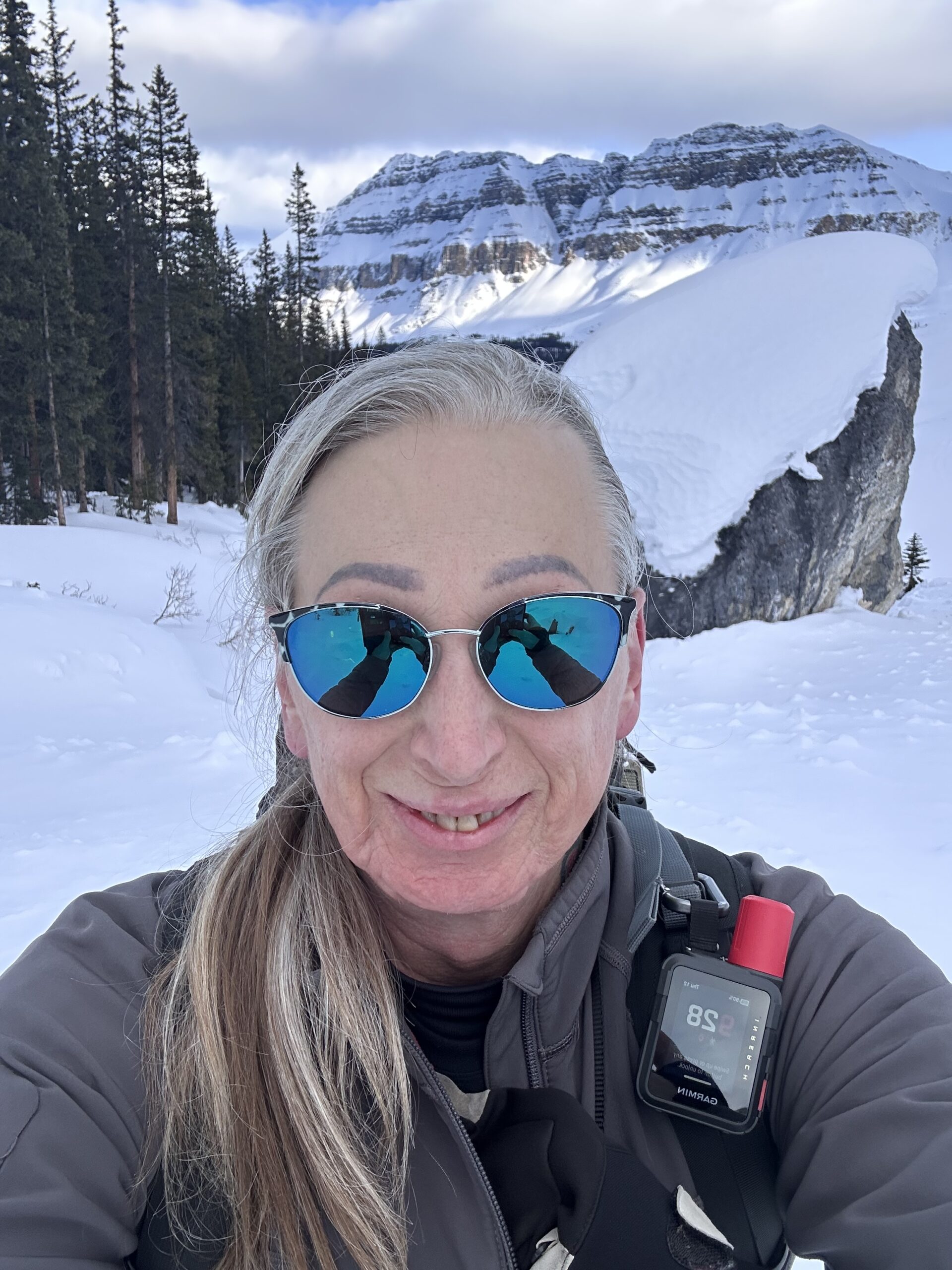
Certified private hiking guide and professional interpretive practitioner based in the Canadian Rockies. With over 25 years of four-season mountain experience, she offers thoughtfully paced hiking experiences that help active adults explore mountain landscapes with care, confidence, and understanding. Meet Niki