Do You Need a Hiking Guide at Lake Louise?
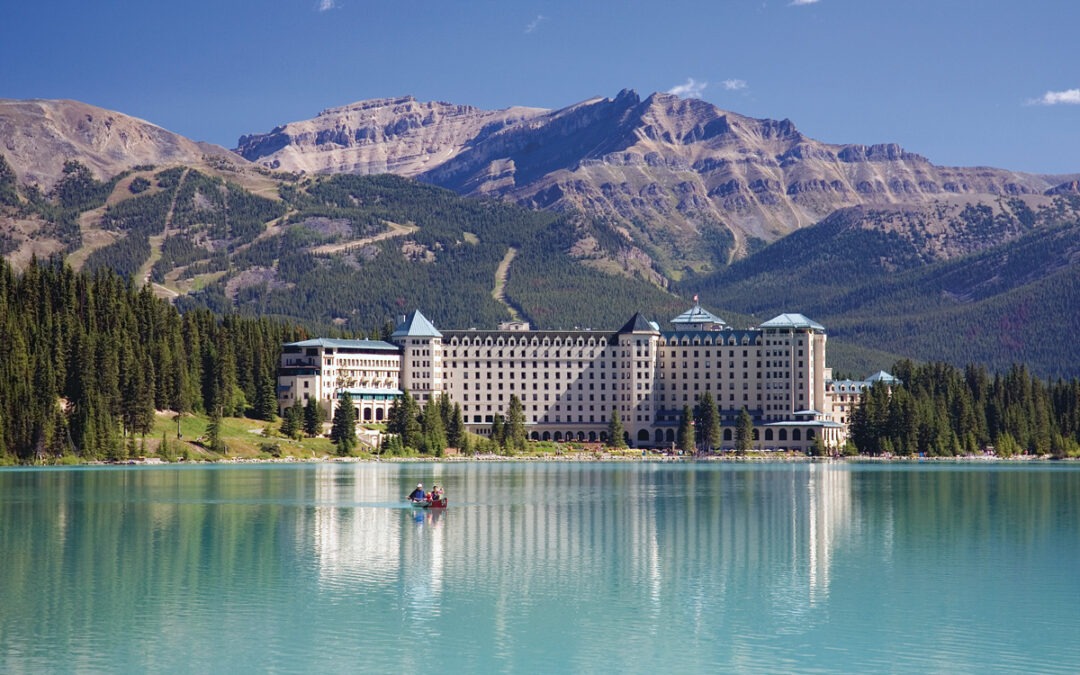
Lake Louise is one of the most iconic places in the Canadian Rockies, and for many travelers it sits near the top of the list for good reason. The lake is beautiful, the surrounding mountains are immediately impressive, and several well-known hikes begin right from the shoreline or nearby trailheads.
From a distance, it can all look fairly straightforward.
But once people start planning an actual hiking day here, the questions become more specific. Where do we park? Do we need to take the shuttle? Which hike is the right one for us? How busy will it feel? Will the elevation change how the day lands? And eventually, for many people, a quieter question follows underneath the rest.
Do we need a guide for Lake Louise?
In most cases, the answer is not really about whether the trails are possible on your own. It is about how you want the day to feel while you are in it.
You Do Not Always Need a Guide to Hike at Lake Louise
There are many situations where hiking independently at Lake Louise makes perfect sense.
If you are comfortable navigating well-marked trails, handling access logistics, making decisions as the day unfolds, and moving through a busy trail environment without feeling thrown off by it, you can absolutely enjoy the area on your own. Popular hikes such as Lake Agnes and Plain of Six Glaciers are established routes, and many people complete them independently every season.
For hikers who enjoy planning, adapting, and managing their own day, that can be a very satisfying way to experience Lake Louise.
This is not a place where a guide is required in order to have a good day.
But it is a place where the difference between a self-managed day and a well-guided one is often more noticeable than people expect.
Why Lake Louise Feels More Complex Than It Looks
Lake Louise is not usually difficult in a technical sense. What catches people off guard is that the day often feels more structured and less flexible than they expected before they ever take a step on the trail.
That usually begins with access.
Parking is limited and fills early. Shuttle systems can work well, but they introduce fixed timing, return constraints, and a subtle feeling that the day has already been shaped by logistics before you have even started walking. That alone can change how relaxed or compressed the experience feels.
Then there is the density of visitation. Lake Louise concentrates a very high number of people into a relatively small area, especially on the classic routes. That affects pace, rhythm, stop-and-go movement, and the ability to feel settled in the experience. Even strong hikers sometimes find that a day here feels more interrupted than they expected, not because the trail is beyond them, but because the environment changes the flow of the day.
This is part of what I explore more fully in Why Popular Hikes in Banff and Lake Louise Feel Crowded. The issue is not simply that there are people around. It is that crowd pressure quietly changes how the day unfolds.
The Real Question Is Often Not “Can We Do It?” but “Will This Feel Good?”
This is where many people get stuck, especially those who are active, capable, and not especially worried about the trail itself.
They are not asking whether they can physically walk uphill for a few hours. They are asking something more nuanced. Will this route suit us? Will the pace feel natural? Will the day feel compressed by timing and access? Will we spend more energy managing logistics and crowd rhythm than actually enjoying where we are?
Those are good questions.
A route can be perfectly manageable on paper and still feel off once the day begins. Small differences in elevation gain, trail grade, crowd pattern, and early pacing can change the quality of the experience much more than people expect.
That is why choosing the right hike at Lake Louise is rarely just about trail difficulty. It is about matching the day to the people actually walking it.
That same question connects closely with Am I Fit Enough to Hike in Banff?, because many concerns that feel like fitness concerns are really questions of pacing, structure, and fit.
What a Hiking Guide Actually Changes at Lake Louise
A guide does not make Lake Louise less busy, and a guide does not magically erase the realities of the place.
What good guidance changes is how the day is held together.
At Lake Louise, that can mean choosing the route that best fits the conditions and the people. It can mean shaping the start of the day so that breathing settles early rather than feeling rushed. It can mean helping the day stay coherent even when the environment is busy, access is structured, and timing matters more than expected.
The value is not in removing every variable. It is in making quiet adjustments before those variables start controlling the experience.
For some guests, that means the route itself becomes clearer. For others, it means they stop second-guessing every decision. The day starts to feel less like something to manage and more like something they are actually inside.
That is one reason Lake Louise is one of the places where the difference between an independent day and a thoughtfully guided one often becomes very noticeable.
What Changes on the Trail When You Are Not Managing Everything Yourself
Without a guide, much of your attention is spent holding the day together.
Are we setting the right pace? Should we continue or turn around? Is this feeling harder than it should? Are we timing this well enough? Are we losing energy too early? Are we trying to fit too much into one outing?
None of these decisions is unreasonable. Most people can make them. But together they shape the tone of the day.
With a guide, those decisions move quietly into the background. Pace is adjusted earlier. Breaks happen before they become necessary. Timing is managed with the whole day in mind, not just the next stretch of trail. The result is not that the route becomes effortless. It is that the experience often feels steadier, more spacious, and more coherent from beginning to end.
That is the kind of shift I describe more fully in What a Private Guided Hiking Day Feels Like.
Why This Can Matter Even More for Active Adults Over 50
Lake Louise can be an excellent place for active adults. But it can also feel more tiring than expected, often not because the trail is too much, but because the day is being shaped by crowd pressure, disrupted pacing, access logistics, and the subtle energy cost of managing all of that while trying to enjoy the place.
For many active adults over 50, the issue is not capability. It is whether the structure of the day supports the kind of experience they actually want.
There is often less interest in rushing, keeping up with crowd flow, or proving something against the trail. More interest in moving steadily, feeling good throughout the day, and having enough energy left to absorb where they are rather than simply get through it.
That is one reason Am I Too Slow for Guided Hikes?, resonates with so many readers. The issue is very often not slowness. It is mismatch.
So, Do You Need a Hiking Guide at Lake Louise?
Sometimes yes. Sometimes no.
If you enjoy planning your own route, handling access, adapting on the fly, and moving independently through a busy environment, you may not need a guide at all. You can still have a rewarding day at Lake Louise.
But if what you want is a day that feels well-paced from the beginning, where the route suits your actual energy, where logistics and timing do not quietly dominate the experience, and where someone else is holding the structure of the day while you pay attention to the place itself, then a guide can make a very real difference.
The decision is less about whether you are capable of hiking there and more about how much of the day you want to carry yourself.
My Perspective as a Guide at Lake Louise
Lake Louise is one of the most beautiful places in the Rockies, but it is also one of the places where structure matters most.
The most memorable days here are rarely the ones that cover the most ground. They are the ones that hold together well. The ones where pace feels settled, timing feels thoughtful, and the day never tips into something compressed or performative. The ones where people remain connected to the landscape instead of being quietly overrun by logistics, crowd rhythm, or the pressure to make the most of every minute.
In a place like Lake Louise, guiding is often less about access than people expect. More often, it is about judgment, pacing, timing, and the quiet adjustments that keep the day whole.
That is where the difference tends to be felt.
If You Are Considering a Guided Hiking Day at Lake Louise
You do not need to know the exact hike in advance.
That is not where the process needs to begin.
A better place to start is with a conversation about your travel dates, where you are staying, your hiking background, your comfort with elevation and crowd density, and how you want the day to feel. From there, the right route and the right shape of the day can be chosen with much more clarity.
If that approach appeals to you, the next step is simply to begin a conversation
You may also find it useful to read Do You Need a Hiking Guide in Banff?, Why I Guide Only 1–2 Guests and What Private Really Means in Guided Hiking, to get a fuller sense of how I approach these days.
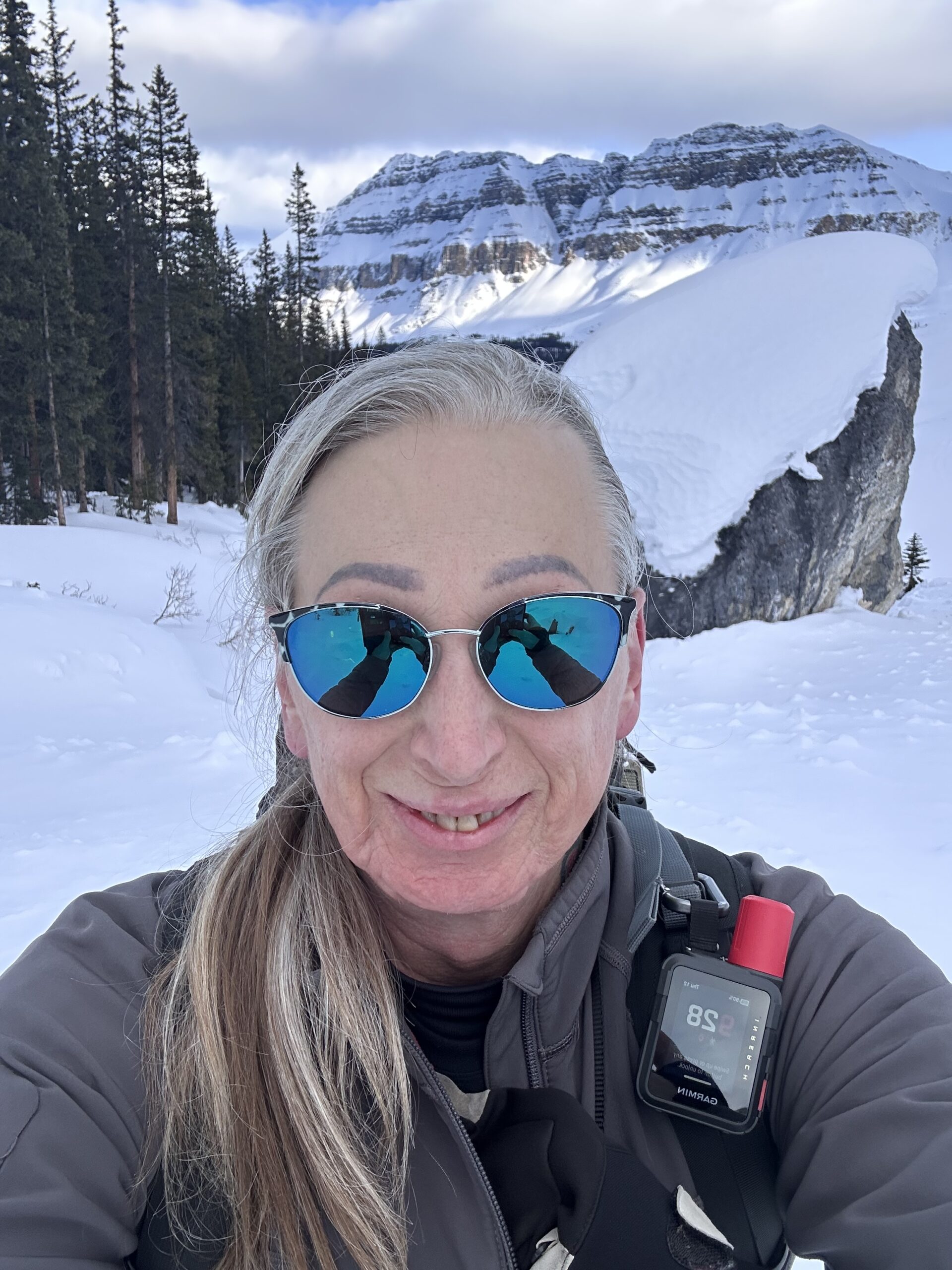
Certified private hiking guide and professional interpretive practitioner based in the Canadian Rockies. With over 25 years of four-season mountain experience, she offers thoughtfully paced hiking experiences that help active adults explore mountain landscapes with care, confidence, and understanding. Meet Niki