Visitors planning a trip to the Canadian Rockies usually begin with Banff National Park and Lake Louise. Those landscapes are extraordinary, and they have earned their reputation as some of the most beautiful mountain environments in the world.
But just south of Banff lies another vast protected region that many travelers overlook.
Kananaskis Country is a network of provincial parks and protected mountain landscapes stretching along the eastern slopes of the Canadian Rockies. The region contains an extensive network of Kananaskis Country hiking trails, ranging from gentle valley walks to expansive alpine routes across some of Alberta’s most dramatic mountain terrain.
Wide alpine valleys, wildflower slopes, glacial lakes, and expansive ridgelines define much of this landscape. In many areas, hikers discover that the experience feels calmer simply because the geography spreads people out across larger terrain.
For travellers who want memorable mountain days without always following the busiest routes, hiking in Kananaskis Country can become one of the most rewarding parts of a Rockies trip.
For many travelers, the decision is not simply where to hike, but how they want the day to feel.
Banff offers iconic landscapes and well-known destinations. Kananaskis offers something different — a quieter, more spacious experience where the pace of the day is less shaped by crowds and more by the landscape itself.
For active adults who value steady pacing, flexibility, and a calmer rhythm on the trail, Kananaskis often becomes one of the most rewarding parts of a Rockies trip.
If you’re deciding how Kananaskis compares to Banff more broadly, this may help clarify the differences:
→ Banff vs Kananaskis for Hiking
HIKING IN KANANASKIS COUNTRY: WHAT MAKES IT DIFFERENT
Banff National Park is famous for a reason. Its lakes, glaciers, and alpine valleys are among the most recognizable landscapes in the Canadian Rockies.
But that popularity also means visitor traffic tends to concentrate in a relatively small number of locations.
Places such as Lake Louise, Moraine Lake, and Johnston Canyon attract enormous numbers of visitors during peak season. The scenery is spectacular, but the experience can feel very different when thousands of people arrive at the same trailheads each day.
This dynamic is something I explore in more detail in Why Popular Hikes in Banff Feel Crowded.
Provincial parks such as those in Kananaskis Country often offer a different experience. The landscapes are just as dramatic, but the geography spreads hikers across wider terrain rather than funneling everyone toward a single viewpoint.
Instead of gathering at one iconic platform, hikers move through valleys, ridgelines, and alpine slopes that naturally disperse visitors across the landscape.
For many travelers, that difference changes the entire tone of a hiking day.
BANFF VS KANANASKIS FOR HIKING: WHAT CHANGES ON THE TRAIL
For many visitors, choosing between Banff and Kananaskis is not about which landscape is more beautiful.
It is about how the day unfolds.
In Banff, hiking often centers around iconic destinations. Trailheads can be busy, routes are well established, and many hikers are moving toward the same viewpoints at similar times.
In Kananaskis, the experience often feels more distributed. Trail networks spread across multiple valleys, and the terrain encourages movement through the landscape rather than toward a single focal point.
This often leads to:
-
more flexible start times
-
less concentrated trail traffic
-
a steadier, more continuous pace
-
fewer interruptions throughout the day
Neither experience is inherently better.
But they are different.
For travelers who value a quieter rhythm, more space on the trail, and a day shaped less by crowd patterns, Kananaskis can offer a noticeably different experience.
Where Kananaskis Country Fits in the Canadian Rockies
Kananaskis Country lies immediately south of Banff National Park and west of Calgary along the eastern slopes of the Canadian Rockies.
The region protects a vast area of mountains, valleys, forests, and alpine terrain. Rather than functioning as a single park, Kananaskis is a collection of provincial parks, wildland parks, and recreation areas managed by Alberta Parks.
Together, these areas protect thousands of square kilometers of mountain landscape.
For visitors exploring the Rockies, Kananaskis often sits quietly between two major travel corridors: Banff to the north and the foothills leading toward Calgary to the east.
Because of this geography, many travelers pass nearby without realizing how much hiking terrain exists within the region.
Those who take time to explore it often discover a different side of the Rockies, one defined by open landscapes and a calmer pace on the trail.
Timing matters here as well. Seasonal patterns that affect Banff and Lake Louise often influence nearby regions like Kananaskis Country. For a wider look at how the year unfolds across the Rockies, see When Is the Best Time to Visit the Canadian Rockies.
Understanding Kananaskis Country Hiking Trails
One of the reasons hiking in Kananaskis Country feels different from Banff is the structure of the park system itself.
Unlike national parks that concentrate infrastructure around major visitor hubs, Kananaskis spreads its trail networks across multiple valleys and provincial parks.
This means trailheads are naturally distributed across a wider landscape.
Some valleys provide gentle forest trails and lakeshore walks, while others lead toward alpine basins, ridgelines, and high mountain passes. The variety of terrain makes Kananaskis an appealing destination for hikers looking for different types of landscapes within a relatively compact region.
Because the terrain is spread out, hikers often find that trails feel quieter even during the height of summer.
The Provincial Parks That Shape Kananaskis Country
Several provincial parks form the heart of Kananaskis Country’s hiking landscape. Each protects a different type of mountain terrain.
Taken together, these parks show why Kananaskis Country feels so varied from one valley to the next. Some areas are defined by alpine lakes and broad mountain basins, while others offer lower-elevation forest trails, quieter foothill terrain, or more remote ridgelines stretching south through the Front Ranges. For hikers, that variety matters. It means Kananaskis is not a single hiking experience, but a collection of distinct mountain landscapes that can complement — or sometimes improve upon — the more concentrated experience found in the national parks.
Peter Lougheed Provincial Park
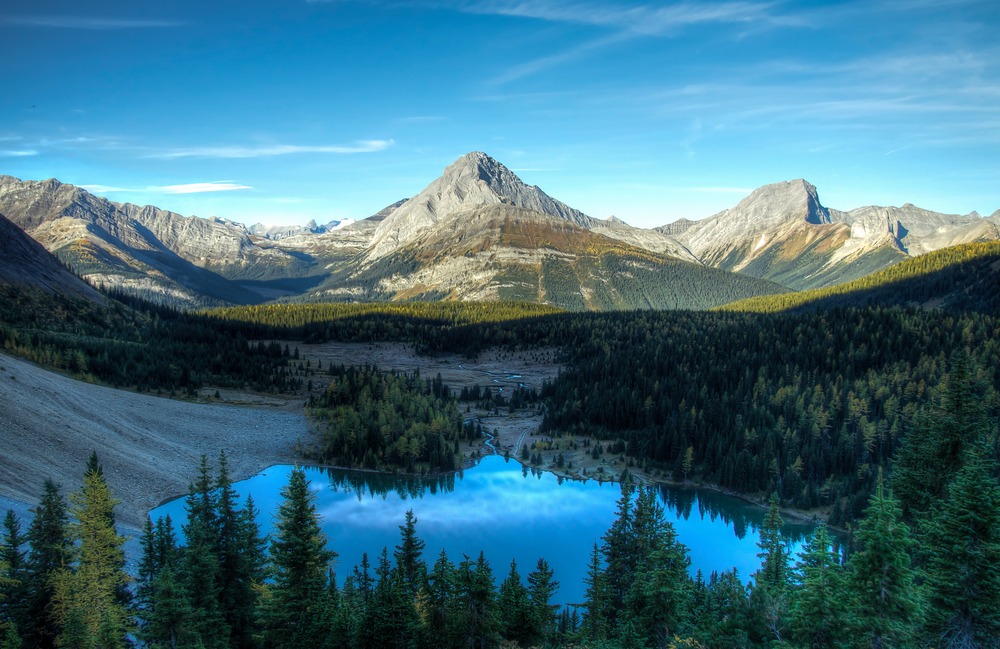
Located in the southern portion of Kananaskis, Peter Lougheed Provincial Park contains some of the most recognizable alpine landscapes in the region. Glacial lakes, wide valleys, and expansive mountain views define much of the park.
Many of the most scenic hiking routes in the area begin here, something explored further in Peter Lougheed Provincial Park | Lakes, Alpine Valleys, and Wild Landscapes
Spray Valley Provincial Park
Stretching north toward Banff, Spray Valley Provincial Park follows the long corridor surrounding the Spray Lakes Reservoir. The landscape here feels rugged and expansive, with high ridges rising above deep valleys.
This region offers a number of quieter alpine routes where hikers can experience the scale of the Rockies without the same level of visitor pressure found in national park corridors. You can read more in Spray Valley Provincial Park Hiking | Rugged Trails and Expansive Mountain Terrain
Highwood Pass
Highwood Pass rises along one of the highest paved roads in Canada and offers some of the most immediate access to alpine terrain anywhere in Kananaskis Country. Because the pass sits at such high elevation, hikers can reach wildflower basins, open ridgelines, and expansive mountain views with relatively modest effort.
This area is especially well known for its summer wildflower displays and sweeping ridge hikes. You can explore more in Highwood Pass | Alpine Ridges and Wildflower Basins.
Bow Valley Provincial Park
Closer to Calgary, Bow Valley Provincial Park protects lower-elevation forests and river valleys. While less alpine in character, it provides beautiful hiking terrain and important wildlife habitat along the Bow River corridor.
This landscape offers a different side of the Rockies, something explored further in Bow Valley Provincial Park Hiking | Forest Trails and Wildlife Corridors.
Bragg Creek Provincial Park
Located in the foothills west of Calgary, the Bragg Creek area offers a different introduction to the landscapes of Kananaskis Country. Rolling forest terrain, creek valleys, and extensive trail networks create a quieter style of hiking that contrasts with the higher alpine terrain deeper in the Rockies.
For many visitors, these foothills trails provide an excellent place to begin a Rockies trip. The slightly lower elevation and gentler terrain allow hikers to settle into a comfortable rhythm while adjusting to the mountains before heading toward higher alpine areas in Kananaskis or Banff. In spring and autumn especially, Bragg Creek can offer some of the most accessible hiking conditions in the region and you can find out more here Bragg Creek | Foothills Forests and the Gateway to Kananaskis
Elbow-Sheep Wildland Provincial Park
South of the main Kananaskis valley lies one of Alberta’s largest protected wildland areas. Elbow–Sheep Wildland Provincial Park contains remote valleys, high ridgelines, and extensive backcountry terrain stretching toward the southern Front Ranges.
This quieter and more rugged landscape is explored further in Elbow–Sheep Wildland Provincial Park | Remote Valleys of Alberta’s Front Ranges.
Together, these parks create one of the most diverse hiking regions in the Canadian Rockies.
What Makes Scenic Hikes in Kananaskis Different
Many travelers notice a distinct difference between hiking in Kananaskis and hiking in Banff.
The landscapes often feel broader.
Glacial valleys open gradually toward alpine basins, ridgelines stretch across long mountain slopes, and wildflower meadows spread across wide terrain. Rather than funneling visitors toward one viewpoint, these landscapes encourage movement through the terrain itself.
This kind of geography naturally distributes hikers across the landscape.
As a result, many scenic hikes in Kananaskis Alberta feel quieter even during the busiest summer months.
For travelers who enjoy steady pacing and time to absorb the environment, this style of terrain often creates a very different experience from the most iconic national park destinations.
This is also where route choice and pacing begin to shape how the day feels. I explore that more fully in How to Pace a Hike in the Canadian Rockies
Seasonal Hiking in Kananaskis Country
Like much of the Canadian Rockies, hiking conditions in Kananaskis change dramatically throughout the year.
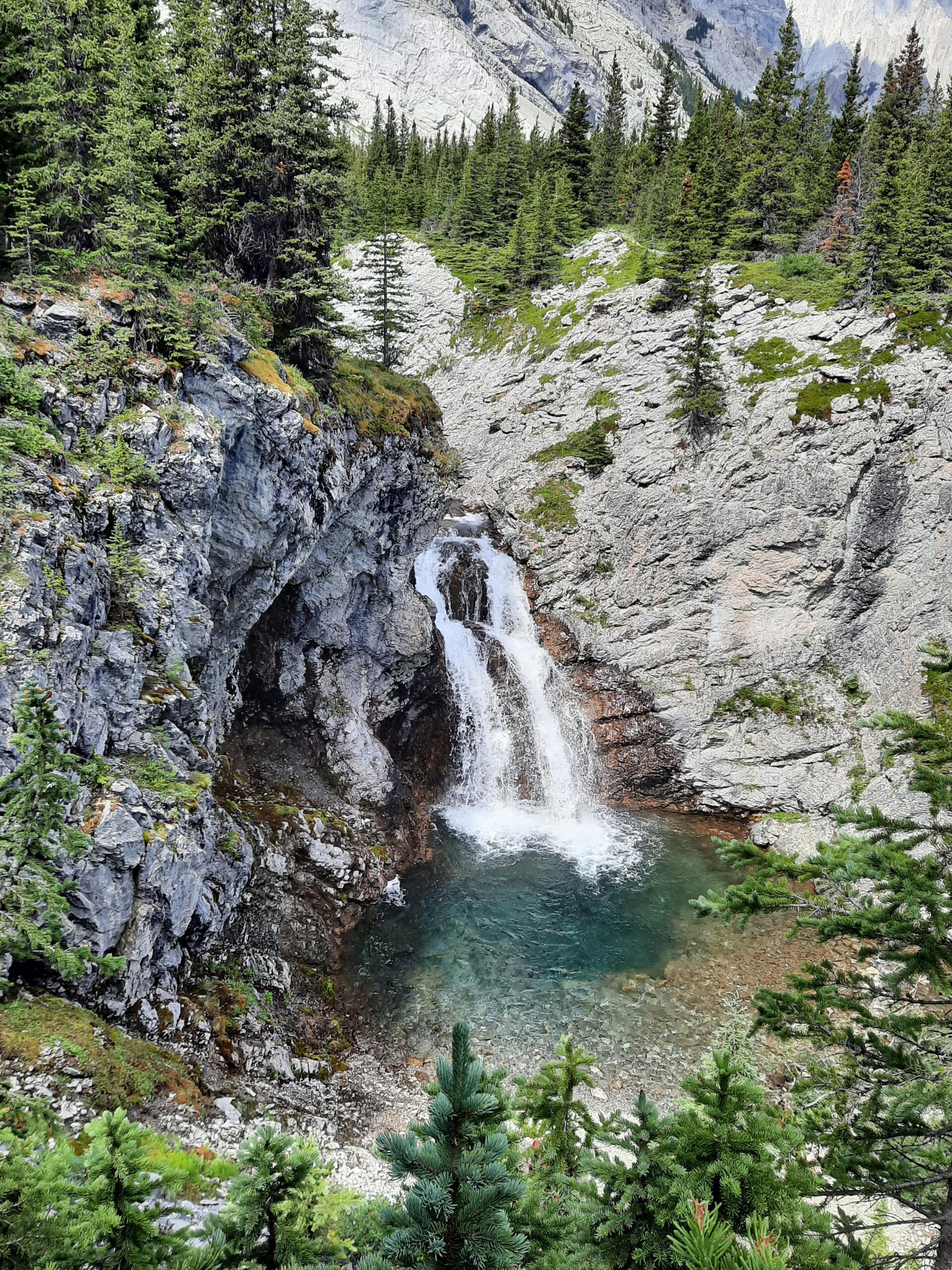
Early summer often brings powerful waterfalls as snow melts from higher slopes. Alpine terrain may still hold snow in June, particularly on shaded ridges and north-facing slopes.
By mid-summer, many high alpine areas open fully. This is when Kananaskis wildflower hiking reaches its peak, with alpine slopes and valley basins filling with color.
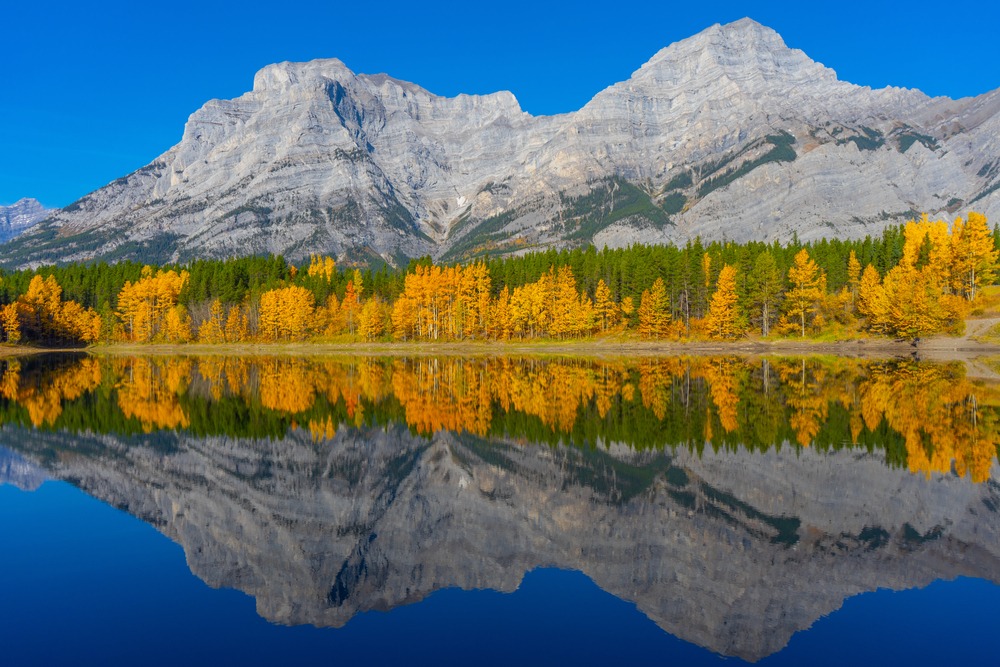
Late summer and early autumn often bring some of the most stable hiking conditions of the year. Clear mornings, crisp air, and long daylight hours make this an ideal time for exploring ridgelines and high alpine terrain.
Understanding seasonal patterns can make a significant difference when choosing where and when to hike.
For hikers focusing specifically on this region, I break this down further in Best Time to Visit Kananaskis for Hiking.
WHAT TO KNOW BEFORE HIKING IN KANANASKIS COUNTRY
Kananaskis Country often feels quieter than Banff, but it still rewards thoughtful planning.
Trailheads are spread across a wide region, and hiking conditions vary significantly with elevation, exposure, and season. Lower trails may come into shape earlier, while higher alpine terrain can hold snow well into early summer.
Because distances between valleys can be larger than visitors expect, it often helps to focus on one area per day and build in extra time for driving, parking, and changing mountain conditions.
These kinds of route choices and terrain observations are also part of the landscape awareness I describe in What Hiking Guides Notice in the Canadian Rockies.
For seasonal planning, Best Time to Visit Banff for Hiking and Banff Weather By Month
The Kananaskis Conservation Pass
Visitors planning to hike in Kananaskis should be aware that Alberta Parks requires a Kananaskis Conservation Pass for vehicles parking within the park system.
The pass helps fund trail maintenance, visitor services, conservation programs, and search and rescue operations across the region.
If you book a private guided hike with Adventures With Meaning, the Kananaskis Conservation Pass is included as part of your day. For independent visitors, purchasing the pass in advance can help avoid surprises at the trailhead.
For travelers arriving from Calgary or Banff, purchasing the pass before arriving at trailheads can make the day start more smoothly.
How Kananaskis Country Fits Into a Canadian Rockies Trip
Many visitors combine Kananaskis with other destinations in the Canadian Rockies.
A typical trip might include several days in Banff or Lake Louise followed by time exploring the Icefields Parkway. Adding a day or two in Kananaskis often introduces a quieter contrast to those more famous locations.
Because Kananaskis lies close to Calgary, it also works well as the first or last stop in a Rockies itinerary.
Some travelers begin their trip with a relaxed hike in the foothills before heading deeper into the mountains, while others finish their journey here to experience a different side of the landscape.
Many of these decisions also depend on where you choose to hike within the Rockies, something explored further here:
→ Do You Need a Hiking Guide in Banff
A Guide’s Perspective on Hiking Kananaskis
After many seasons guiding in the Canadian Rockies, I’ve found that some of the most memorable hiking days often happen in places visitors initially overlook.
Kananaskis Country is one of those places.
Many of the private guided hikes I lead through Adventures With Meaning take advantage of these quieter landscapes, where the terrain allows guests to move at a steady pace and experience the mountains without the pressure of crowded trails.
These landscapes feel expansive, the terrain encourages a steady rhythm, and hikers often have the space to experience the mountains rather than simply moving through a crowded corridor.
That difference changes how a day unfolds. Instead of rushing toward a viewpoint, hikers find themselves noticing the landscape more fully.
These kinds of thoughtful route choices, pacing decisions, and landscape awareness are part of the guiding approach I describe in How I Guide.
Frequently Asked Questions About Hiking Kananaskis Country
Where is Kananaskis Country located?
Kananaskis Country lies along the eastern slopes of the Canadian Rockies, west of Calgary and south of Banff National Park. Rather than being a single park, it is a large network of provincial parks, wildland areas, and recreation corridors managed by Alberta Parks. For many visitors, it becomes a quieter complement to Banff and Lake Louise during a Rockies trip.
Are hiking trails in Kananaskis less crowded than Banff?
In many areas, yes. Kananaskis often feels less concentrated because hikers are spread across a much larger network of valleys, trailheads, and mountain corridors rather than funneled toward a handful of famous viewpoints. Some popular hikes still get busy, but the overall experience often feels calmer and more spacious than Banff’s busiest locations.
Do I need a pass to hike in Kananaskis?
Yes. Most vehicles parked within Kananaskis Country require a Kananaskis Conservation Pass, which helps fund trail maintenance, visitor services, conservation programs, and search and rescue support across the region. Purchasing the pass in advance usually makes the day start more smoothly.
When is the best time for hiking in Kananaskis Country?
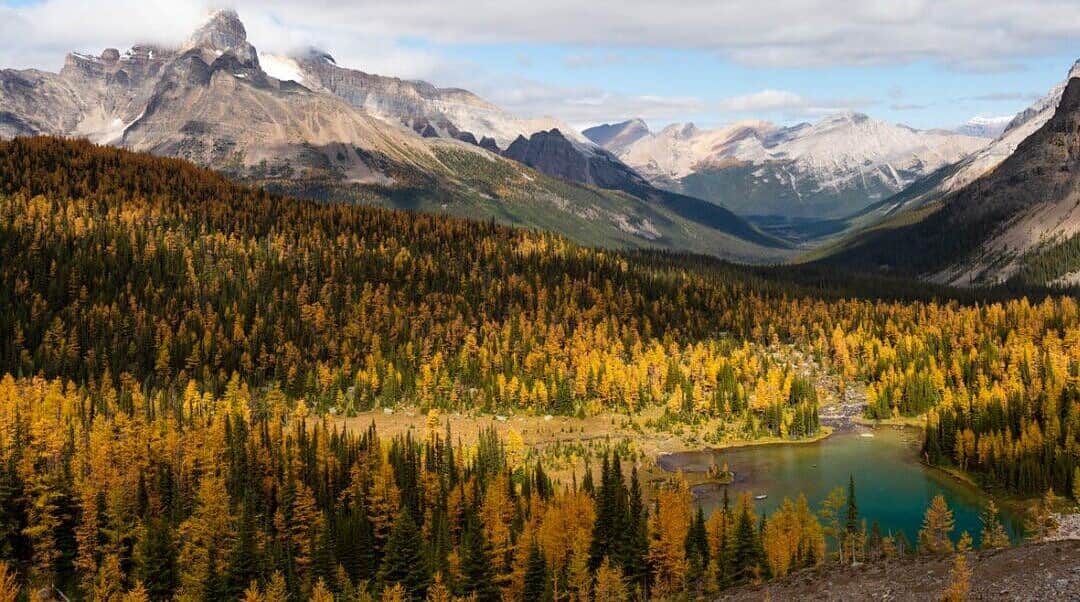
Most alpine hiking routes are most accessible from late June through early October, although exact timing varies with elevation and yearly snowpack. Lower foothill and valley trails often come into shape earlier, while higher alpine terrain may hold snow well into early summer. Mid-summer offers the widest trail access, while early autumn often brings cooler temperatures and beautiful larch season conditions.
Are Kananaskis hikes suitable for moderate hikers?
Yes. Kananaskis offers a wide range of hiking terrain, from gentle valley and lakeshore trails to longer alpine routes with more elevation gain. Many hikes are well suited to moderate hikers who prefer a steady pace and strong scenery without needing technical terrain. Choosing the right area and route often makes the biggest difference.
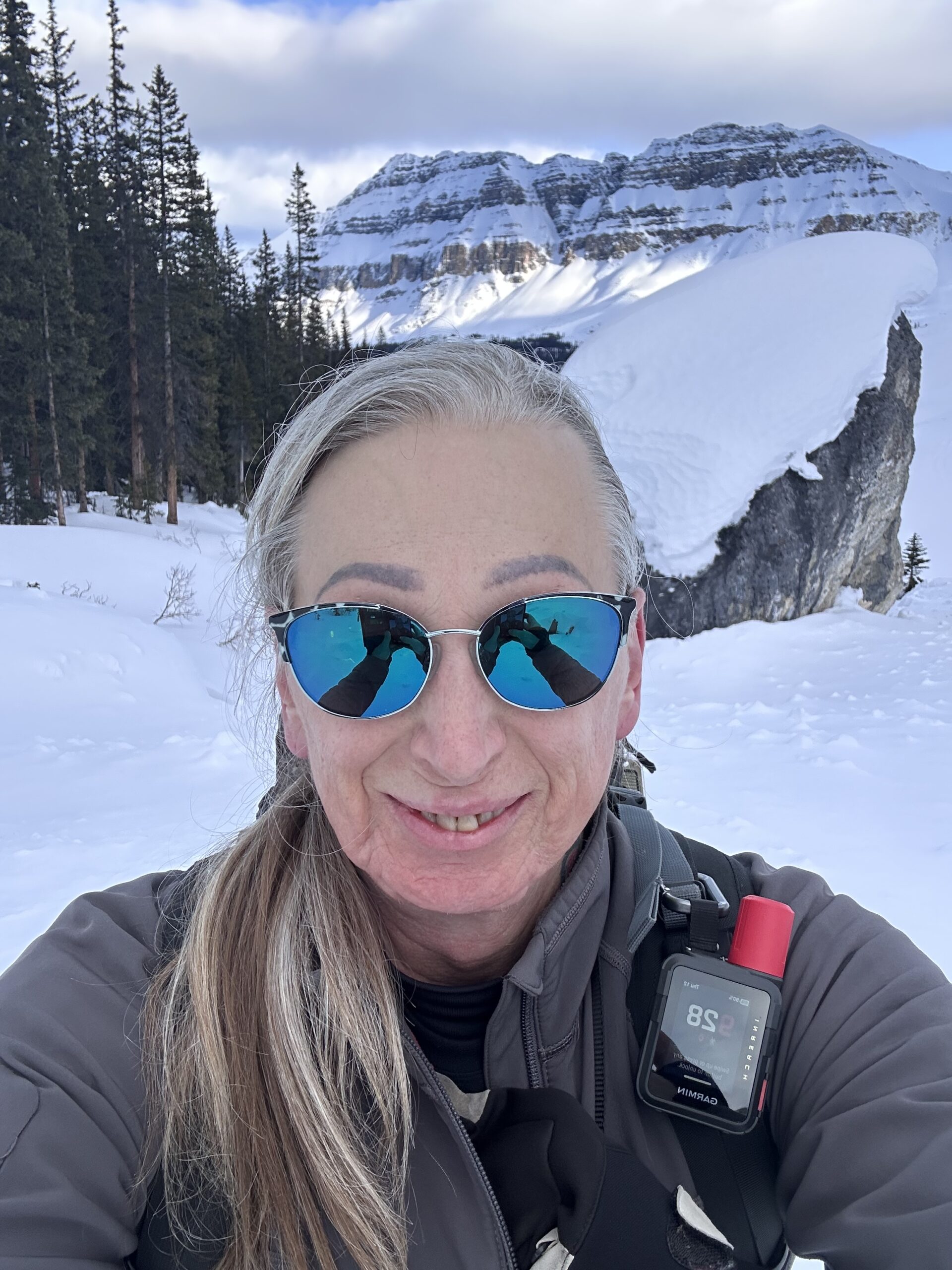
Certified private hiking guide and professional interpretive practitioner based in the Canadian Rockies. With over 25 years of four-season mountain experience, she offers thoughtfully paced hiking experiences that help active adults explore mountain landscapes with care, confidence, and understanding. Meet Niki