Beautiful, Iconic, and Best Experienced Thoughtfully
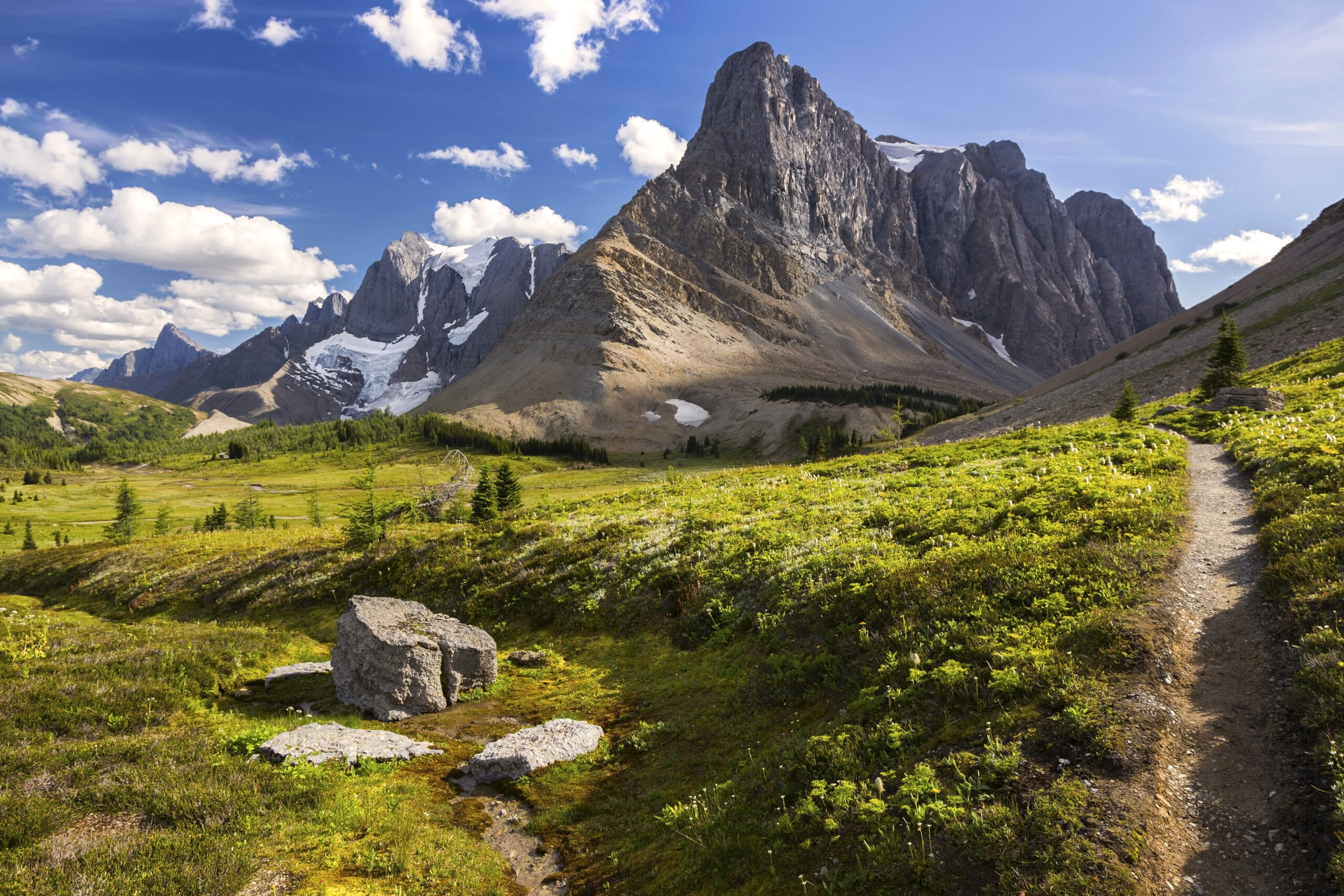
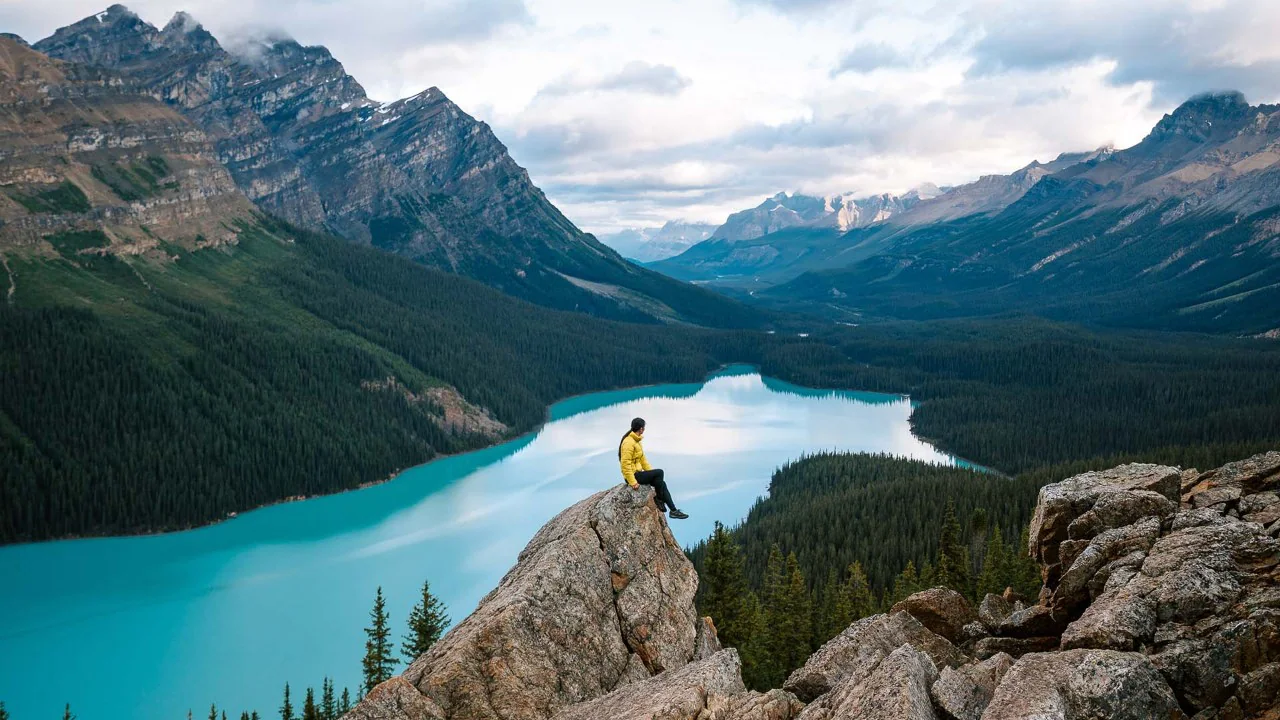
Lake Louise is one of the most recognizable hiking areas in the Canadian Rockies. For many travelers, it carries the pull of a place they have imagined long before they arrive. The turquoise water, steep mountain walls, hanging valleys, and glacial backdrop all create a setting that feels unmistakably alpine from the very first moment.
And yet, for all its beauty, Lake Louise is not always the simplest or most universally rewarding place to hike.
That is not because it lacks greatness. It is because it asks something of the visitor. It asks for timing, discernment, and a willingness to think beyond the postcard version of the place. For some guests, Lake Louise offers exactly the kind of mountain day they came for: iconic scenery, classic hiking, and the sense of being in one of the defining landscapes of Banff National Park. For others, especially in peak summer, the area can feel more pressured than expected, shaped as much by parking systems, transportation logistics, and crowd concentration as by the mountain setting itself.
As a guide, I do not treat Lake Louise as an automatic default simply because it is famous. I think of it as a place that can be extraordinary when it suits the guest, the season, and the kind of day they truly want. The real question is not whether Lake Louise is beautiful. It is whether it is the right place for your day to unfold well.
If you are looking for specific route options, continue to Lake Louise Hikes. If you are still deciding how this area compares with other parts of the park, the Banff hub page offers the broader structure.
The Landscape of Lake Louise
What gives Lake Louise its unusual power is how quickly the landscape gathers around you.
Some mountain areas reveal themselves gradually. Lake Louise does not. The basin feels concentrated from the start. The lake sits beneath steep rock walls and high hanging valleys, with glaciers and dramatic mountain faces close enough to feel immediate rather than distant. Even people with little mountain background tend to feel the force of the place right away. You do not need much explanation to understand why it became iconic.
That immediacy is part of what draws people here. The visual reward is swift and convincing. A short amount of time near the lake can already feel like a real encounter with the Rockies.
But that same concentration also shapes the experience in less obvious ways. Beauty is concentrated here, and so is use. Access points are limited. Demand is intense. Many visitors are drawn to the same landscape, often at the same time. The result is that Lake Louise works differently from more spacious hiking areas in Banff. Timing matters more. Trail choice matters more. Expectations matter more.
For some guests, that intensity is part of the attraction. For others, it can subtly narrow the quality of the day. Relevance matters here. The place has to match not only what someone wants to see, but how they want to feel while they are seeing it.
History and Human Context
Lake Louise is not only a mountain landscape. It is also one of the historic tourism settings of the Canadian Rockies.
Its fame was shaped through rail-era promotion, grand hotel imagery, and generations of photographs that established the lake as one of the defining visual symbols of Banff National Park. That history still shapes what visitors encounter today. People arrive with expectations already formed, often before they know much about the realities of access or the pace of a day here.
That does not diminish the place. But it does change the terms of the experience.
Lake Louise is both beautiful and highly managed. It is one of those landscapes where natural grandeur and visitor infrastructure exist side by side. For hikers, this often means the day begins not with quiet trail rhythm, but with transportation decisions, timing considerations, or crowd awareness. Sometimes that is manageable. Sometimes it is one of the main reasons another area offers a better overall day.
This is also where thoughtful interpretation can deepen the experience. Lake Louise is visually striking on its own, but it often becomes more meaningful when guests understand not only what they are looking at, but why the place feels the way it does, how people have related to it over time, and how their own hopes for the day fit within that setting.
If you want a fuller discussion of visitor pressure and access dynamics, Overcrowding at Lake Louise and Parks Canada Reservations and the Illusion of Access explore that more directly.
Ecology and Wildlife
Although Lake Louise is one of the park’s most visited areas, it remains active mountain habitat.
Forest, avalanche paths, wet ground, subalpine terrain, and valley travel corridors all shape the ecological character of the basin and surrounding trails. One of the rewarding things about hiking here is how quickly the landscape shifts. A busy lakeshore can give way to quieter forest. A trail that begins in a crowded setting can soon open into a more spacious valley or rise into a different ecological zone altogether.
That transition is part of what makes the area more than a famous view.
It is also where an interpretive approach can quietly change the feel of the day. For many guests, a landscape becomes more memorable when it is not only seen, but understood. The basin begins to feel less like scenery and more like a living place shaped by wildlife movement, seasonality, moisture, elevation, and the ongoing dynamics of mountain terrain.
Wildlife considerations remain real here, as they do throughout Banff. So do variable trail conditions, seasonal snow, and the way higher terrain can stay unsettled longer than casual visitors often assume. The fact that a place is famous does not make it tame. Lake Louise is still mountain country.
Geology and Landform Character
Lake Louise has a strong glacial identity, and much of its visual power comes from that.
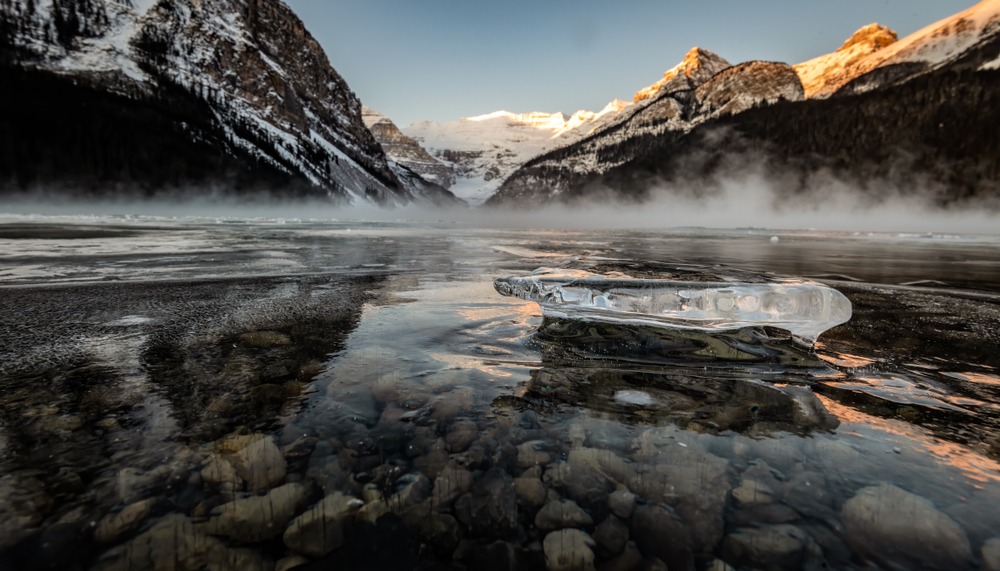
The basin, the surrounding walls, the hanging valleys, and the lake itself all reflect the shaping force of ice. The landforms are large, close together, and unusually easy to read, even for people without a geology background. That is part of why the area feels so concentrated. The drama is not hidden. It rises around you.
For hikers, this creates a particular kind of movement through the landscape. Trails here often feel directed toward a distinct objective, whether that is a lake, a pass, a valley head, or a higher viewpoint. There is often a sense of walking into a defined alpine basin rather than simply moving through a long stretch of valley.
That can be deeply satisfying for guests who want a classic Rockies experience, especially if they are drawn to landscapes that feel dramatic from the outset. It also helps explain why Lake Louise can feel so different from other parts of Banff. The terrain here is not just beautiful. It is visually compressed in a way that creates immediacy, intensity, and a strong sense of arrival.
What Hiking Here Feels Like
Hiking at Lake Louise often feels more concentrated than hiking in many other parts of Banff.
The rewards come quickly. The scenery is powerful. The route choices are strong. Even moderate hikes can feel like signature mountain days. For some guests, that is exactly what they want. They want a place that feels unmistakably iconic and a day that carries the emotional charge of finally being in one of the Rockies’ classic landscapes.
But Lake Louise does not always feel relaxed.
Even on a beautiful day, it often asks more of planning, route selection, and timing than people realize. In peak summer, those realities can shape the emotional tone of the day almost as much as the scenery itself. Some guests thrive on that and are happy to trade ease for iconic setting. Others discover that what they truly want is not just a famous place, but a more spacious rhythm, a calmer start, and a hiking day that feels less compressed.
That is where relevance becomes so important. The best Lake Louise days are not simply the days with the biggest name or the most photographed lake. They are the days where the place and the person fit each other well.
A private guided day can be especially valuable here, not because guests need help admiring scenery, but because a well-matched day allows them to settle into the place more fully. Instead of reacting to the logistics, they are freer to experience the landscape, its stories, its ecology, and its atmosphere in a more connected way.
Seasonal Character of the Area
Lake Louise changes meaningfully with timing, and that has a real effect on the experience.
Early season can still involve lingering snow in higher terrain, even when the valley appears ready. Mid-summer usually offers the most reliable general access, but it also brings the highest concentration of visitors and the greatest pressure on transportation, parking, and trailheads. Early fall often creates a very different feeling: cooler temperatures, a more settled rhythm, and an atmosphere that many guests find more enjoyable.
This is one reason I often think Lake Louise is stronger outside the busiest peak-summer window. It can still be excellent in July and August, but I do not present it as effortlessly ideal at that time. Some days are wonderful. Some require very careful timing. And some guests are simply better served elsewhere, including in parts of Kananaskis where pace and spaciousness may matter more than icon status.
For broader timing context, When Is the Best Time to Visit Banff for Hiking? is the best companion piece.
Why Lake Louise Feels Different from Other Parts of Banff
Lake Louise is sometimes described as though it is simply the most scenic version of Banff. I do not think that is quite right.
It is different in character.
Compared with Banff and Surroundings, it is more access-sensitive and more concentrated around a small number of internationally recognized destinations. Compared with the Bow Valley Parkway, it feels less spacious and less relaxed in tone. Compared with the Icefields Parkway, it is less about long, unfolding movement through landscape and more about hiking within a defined alpine basin. Compared with Banffs High Alpine, it often gives a more classic lake-and-valley mountain day rather than one shaped primarily by exposure and altitude. Compared with the Moraine Lake Area, it is still pressured, but usually a little less singularly tied to one access point.
Those distinctions matter because they shape not only what visitors see, but what kind of experience they are likely to have. Lake Louise is not simply “more scenic Banff.” It is its own kind of place, and it works best when approached on those terms.
A Guide’s Perspective
As a guide, I think of Lake Louise as a place where careful matching matters more than enthusiasm.
It is easy to oversell the area because the scenery is real and the names are famous. But the strongest private guided days here happen when the route, the timing, the season, and the guest are well aligned. Sometimes that means choosing a classic hike with an early start and clear expectations. Sometimes it means avoiding the most obvious option. Sometimes it means deciding that Lake Louise is not the best fit for that day at all.
That kind of judgment is part of what makes interpretive guiding quietly different from simply leading someone to a viewpoint. The goal is not only to get people into beautiful terrain. It is to help them experience the place in a way that feels personal, meaningful, and well paced. For many guests, what stays with them is not just the scenery, but the feeling of having met the place more fully.
How This Area Fits into a Rockies Trip
Lake Louise often fits best into a Rockies trip when one of three things is true.
First, the guest genuinely wants one of the classic Banff-area landscapes and understands that this comes with access and timing tradeoffs.
Second, the trip has enough flexibility to choose a strong day rather than forcing the area into the busiest possible window.
Third, the guest wants the kind of route style that Lake Louise genuinely does well: a lake-and-valley hike, a teahouse day, or a longer alpine outing built around a strong scenic objective.
For some travelers, Lake Louise becomes one of the emotional highlights of their trip. For others, it is better approached selectively or balanced with quieter and more spacious days elsewhere. The key is not whether the place is worthy. It is whether it is relevant to the experience the traveler most wants to have.
If you want help choosing among the actual hikes, continue to Lake Louise Hikes. If you are comparing regions more broadly, Banff vs Kananaskis for Hiking can help clarify the differences.
If you are considering a private guided hiking day near Banff, you can start with Private Guided Hiking in Banff to understand the broader service area, view Hikes & Pricing to compare current guided hike options, visit the Private Guided Hiking FAQ for practical questions about pace, preparation, route choice, logistics, and what to expect, or Begin a Conversation if you would like help choosing the right route for your pace, timing, access, and current conditions.
Frequently Asked Questions About Lake Louise Hiking
Is Lake Louise a good place to hike?
Yes, very often. Lake Louise offers some of the most iconic hiking scenery in Banff National Park, but it is not automatically the best choice for every guest or every day. Access, timing, crowd levels, and route selection matter more here than many visitors expect.
Is Lake Louise always worth it in summer?
Not always in the way people imagine. The scenery is still remarkable, but July and August often require more planning, more selectivity, and more realistic expectations than visitors anticipate.
Is Lake Louise a good fit for active adults over 50?
Very often, yes, especially when the route is chosen carefully. The area includes shorter scenic outings, moderate classic hikes, and fuller days, but fit matters more than reputation.
Is Lake Louise better than Banff town-area hiking?
Not simply better. It is more iconic and more concentrated, but also more access-sensitive. Some guests love that intensity and visual payoff. Others have a better overall day in Banff and Surroundings or even in Kananaskis.
Should I choose Lake Louise or Moraine Lake?
That depends on the kind of day you want. Both are iconic. Moraine Lake is often even more access-controlled and more compressed. The most useful comparison is to read Moraine Lake Area alongside this page once that article cluster is complete.
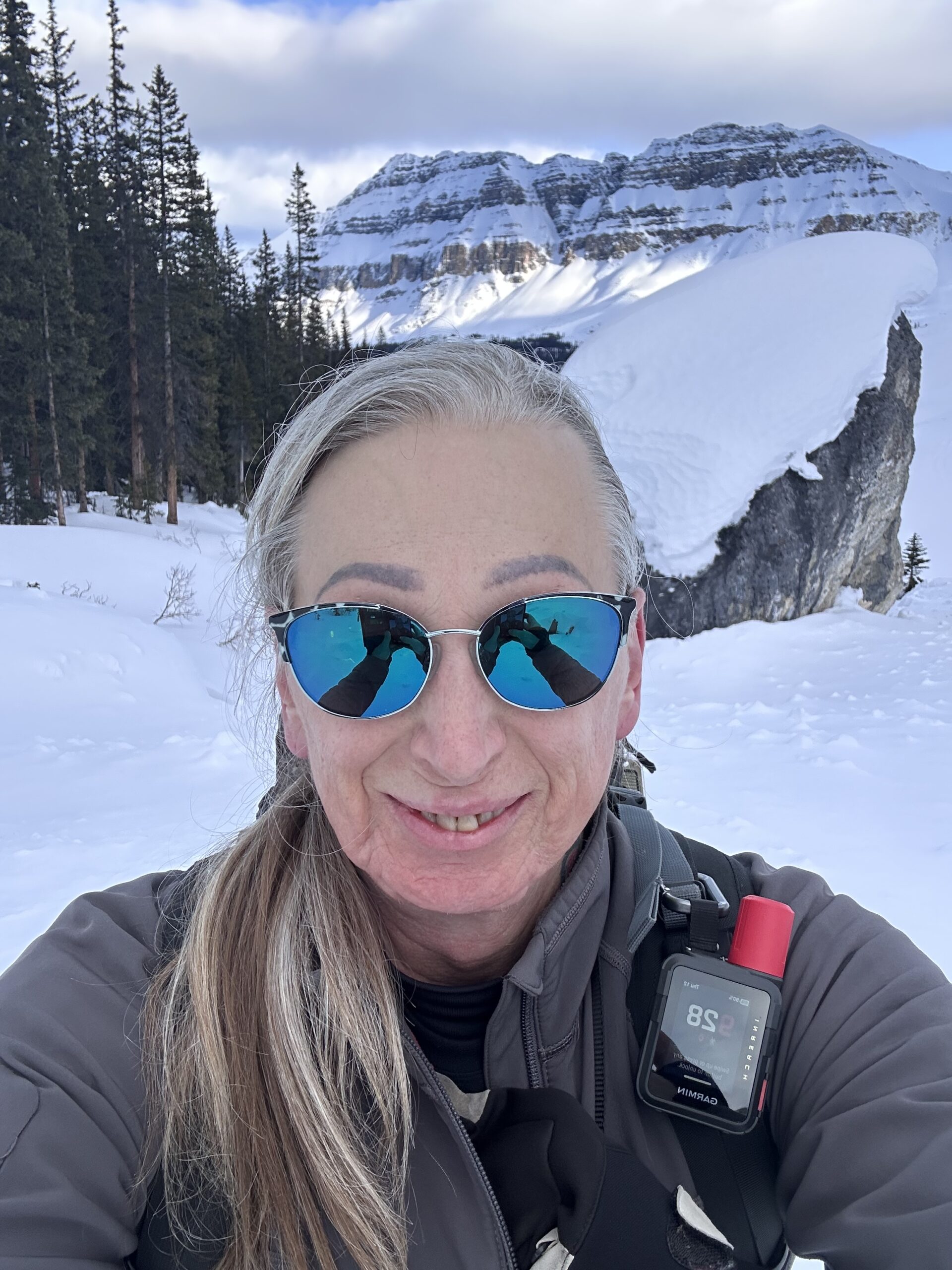
Certified private hiking guide and professional interpretive practitioner based in the Canadian Rockies. With over 25 years of four-season mountain experience, she offers thoughtfully paced hiking experiences that help active adults explore mountain landscapes with care, confidence, and understanding. Meet Niki